Sleep Optimization in 2025: Why Your Rest Score Matters More Than Your Step Count
Health Focus Team
Published
Explore the sleep optimization revolution. Learn sleep hygiene goals, how to use sleep tracker data, and how to optimize deep sleep for better cognition.
Written by: Health Focus Research Team Medically Reviewed by: Dr. Sarah Chen, MD, PhD – Board-Certified Neurologist & Integrative Medicine Specialist Last updated: February 28, 2026 | Reading time: 8 minutes
⚠️ Medical Disclaimer: This article is for educational purposes only. It does not constitute medical or mental health advice. If you experience severe or persistent symptoms, consult a qualified healthcare professional.
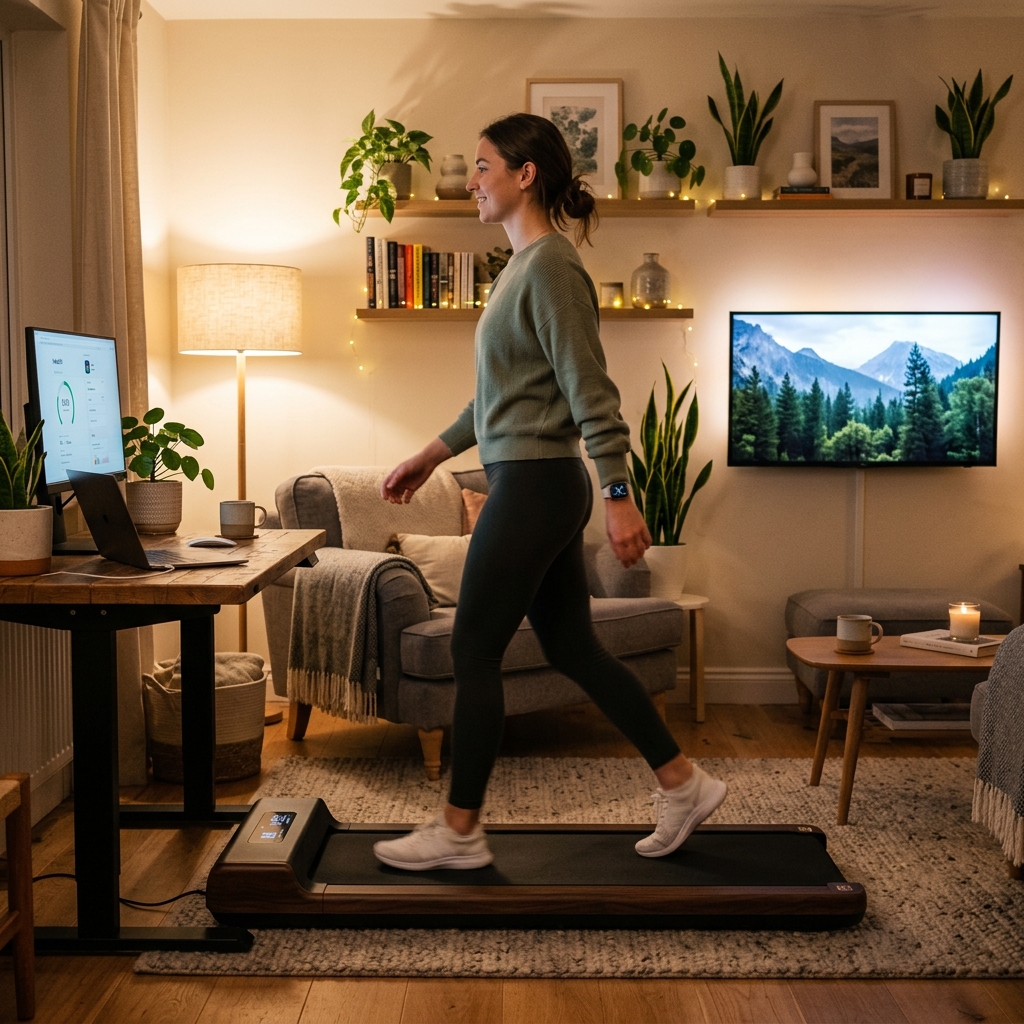
Remember when bragging about pulling an all-nighter was considered a badge of honor? Those days are officially over. Today's wellness conversation has shifted dramatically, and sleep has taken center stage as the ultimate health metric. People aren't just tracking their sleep anymore—they're optimizing it, scoring it, and treating it with the same intensity they once reserved for marathon training.
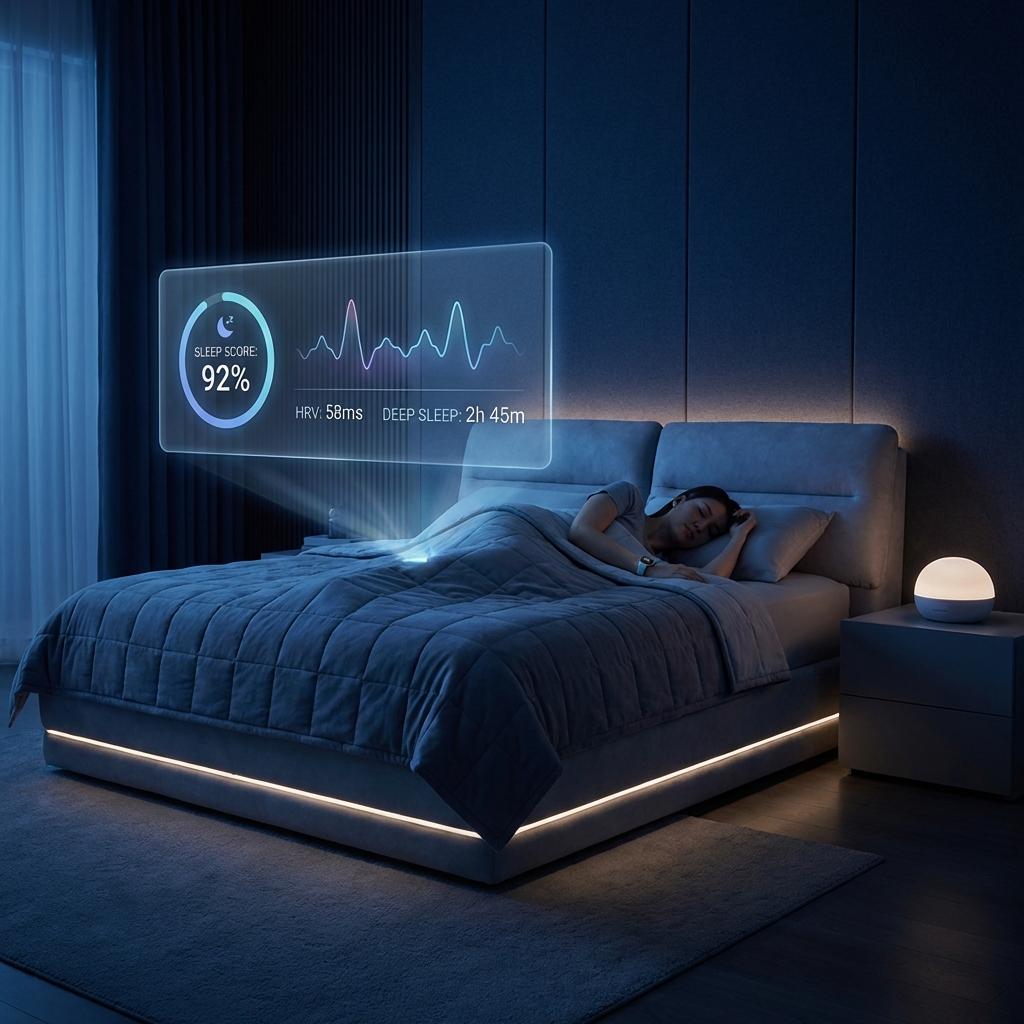
Welcome to the era of sleep optimization, where your HRV (heart rate variability) recovery score has become more valuable than your daily step count, and getting eight hours isn't enough—it's all about the quality of those hours.
The Science That Changed Everything
For years, sleep was treated like the leftover time—whatever remained after work, Netflix, and scrolling through social media. But recent research has completely flipped the script on how we understand rest and recovery.
New studies have shown that sleep regularity—going to bed and waking up at consistent times—has a stronger connection to mortality risk than total sleep duration. In other words, sleeping eight hours at wildly different times each night might actually be worse than sleeping seven hours consistently.
Even more compelling is the mounting evidence linking poor sleep to cardiometabolic disease. Scientists now place quality sleep on the same tier as nutrition and exercise when it comes to long-term health outcomes. This isn't just about feeling groggy anymore. In fact, optimizing deep sleep for better cognitive function and metabolic health has become a top priority, as chronic sleep deprivation is strongly connected to everything from obesity and diabetes to heart disease.
The $30 Billion Sleep Tech Revolution
With all this research backing up the importance of sleep, it's no wonder the sleep technology market has exploded. Currently valued at around $30 billion, this industry is projected to quadruple by 2034. But here's the thing: not all sleep tech is created equal.
The market is flooded with gadgets promising deeper sleep, faster recovery, and better rest. Smart mattresses that adjust temperature throughout the night. Wearable rings that track your sleep stages with medical-grade accuracy. High-tech saunas designed to promote relaxation before bed. The options are endless—and often confusing.
Many consumers feel overwhelmed by vague claims about "restorative sleep" without understanding what actually works. Without hard data, how do you know whether a $3,000 mattress truly improves your deep sleep or just feels luxurious?
The Wearable Revolution: Data You Can Actually Use
This is where wearables have changed the game. Devices like the Oura Ring, WHOOP strap, and Apple Watch have transformed sleep from a mystery into a measurable metric. Instead of guessing how well you slept, you wake up to concrete data: sleep stages, respiratory rate, heart rate variability, and body temperature throughout the night.
The Oura Ring, for example, uses polysomnography-validated sleep staging—meaning its measurements have been tested against the gold standard sleep studies doctors use. You get a detailed breakdown of how much time you spent in light sleep, deep sleep, and REM sleep, along with insights into what factors might have disrupted your rest.
But here's where it gets really interesting: these devices don't just track your sleep—they help you understand what affects it. That 9 PM espresso? Your wearable will show you exactly how it impacted your deep sleep. That glass of wine before bed? You'll see how it disrupted your REM cycles and increased your heart rate during the night.
Temperature: The Sleep Optimization Secret Nobody Talks About
One of the most effective sleep optimization strategies isn't about what you do—it's about temperature. Your body naturally cools down as you fall asleep, and maintaining optimal temperature throughout the night is crucial for quality rest.
This is where technology like the Eight Sleep mattress comes in. Their smart mattress features temperature autopilot that adjusts throughout the night based on your body's needs and sleep stage. In a 2025 user study, their system boosted deep sleep by 16%—a significant improvement that translates to better recovery and daytime performance.
Think about it: you've probably experienced nights where you were too hot or too cold, tossing and turning, constantly adjusting blankets. Your body was struggling to maintain the ideal sleep temperature. Smart temperature regulation systems eliminate that struggle, creating optimal conditions for uninterrupted, restorative sleep.
Beyond Devices: What Actually Impacts Your Sleep
While technology can help, the fundamentals of good sleep haven't changed. Your devices might give you fancy metrics, but if you're not addressing the basics, no amount of tech will save you.
Your evening routine matters more than you think: The hours before bed set the stage for quality sleep. Blue light from screens suppresses melatonin production, making it harder to fall asleep. Alcohol might help you fall asleep faster, but it significantly disrupts your sleep architecture later in the night, particularly your REM sleep.
Consistency is king: Your body loves routine. Going to bed and waking up at the same time every day—yes, even on weekends—helps regulate your circadian rhythm. This regularity is now being shown to be more important than total sleep duration.
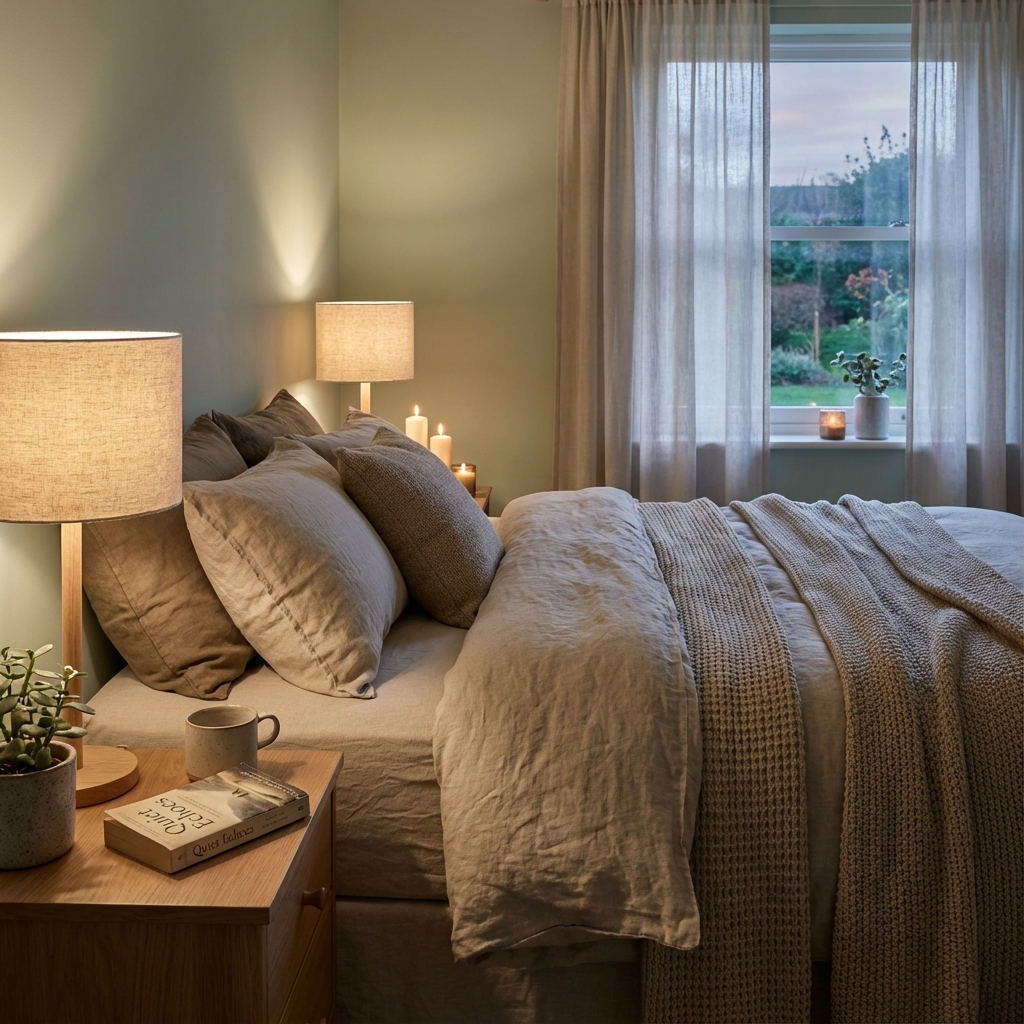
Your bedroom environment is crucial: If you're wondering how to create a tech-free bedroom for better sleep hygiene, start with the basics. Beyond temperature, factors like light, noise, and your mattress quality play major roles. Keep screens out of the room, invest in blackout curtains, use a white noise machine, and upgrade your mattress. These aren't luxuries—they are foundational sleep hygiene goals for a healthier 2025.
The New Social Currency of Sleep
Here's something fascinating: sharing sleep data has become completely normalized in wellness and fitness communities. People post their recovery scores on Instagram the same way they used to share workout photos. Sleep bragging has replaced the old toxic culture of all-nighter bragging.
In online communities, people compare deep sleep percentages, HRV trends, and temperature graphs. They share tips on what helped them achieve better sleep scores. This social shift reflects a broader cultural change—sleep is no longer seen as lazy or unproductive. It's recognized as an essential component of high performance and overall health.
When to Be Skeptical of Sleep Claims
With the boom in sleep products has come an inevitable wave of questionable claims. Some things to watch out for:
Magic supplements: While magnesium and certain adaptogens can support sleep quality, be wary of proprietary blends promising miracle results. Most aren't clinically tested, and individual responses vary widely.
Extreme interventions: Some wellness influencers promote extreme practices like ice baths right before bed or extended fasting windows that cut into sleep time. These might work for some people, but they're not evidence-based recommendations for better sleep.
Expensive doesn't always mean effective: A $5,000 mattress might be comfortable, but if it doesn't address your specific sleep issues (like temperature regulation or support needs), it won't magically fix your sleep problems.
Making Sleep Optimization Work for You
The key to better sleep isn't buying every gadget on the market—it's about understanding your personal sleep patterns and systematically addressing issues.
Start with tracking. Whether you use a simple sleep diary or invest in a wearable, understanding your baseline is crucial. Track not just your sleep duration, but also factors that might affect it: caffeine intake, exercise timing, stress levels, alcohol consumption.
Look for patterns to figure out exactly how to use sleep tracker data to actually improve your sleep quality. Did your recovery score tank after that late afternoon coffee? Do you consistently sleep better on nights when you exercise? This is where the raw data transforms into actionable, daily habits. You can also explore natural ways to reduce sleep anxiety and insomnia, such as adjusting your evening wind-down routine based on the trends you see in your app.
Make incremental changes. Don't overhaul everything at once. Maybe start by establishing a consistent bedtime, then work on optimizing your bedroom temperature, then address your evening screen habits. Small, sustainable changes lead to lasting improvements.
The Future of Sleep
As we move further into 2025 and beyond, sleep optimization will only become more sophisticated. We're seeing early research into AI-powered sleep coaching, where algorithms learn your patterns and provide personalized recommendations. Some companies are exploring sound therapy that aligns with your brain waves to promote deeper sleep.
But at its core, the sleep revolution is really about cultural recognition. We're finally acknowledging that rest isn't a luxury—it's a biological necessity that affects every aspect of our health and performance. Your recovery score matters because your body's ability to repair, consolidate memories, and prepare for the next day all happen during those precious hours of sleep.
So the next time someone asks why you're prioritizing your bedtime, just show them your sleep data. Because in 2025, optimizing your recovery isn't just smart—it's essential.
Frequently Asked Questions
How do I use sleep tracker data to actually improve my sleep quality? The trick is to look for patterns rather than stressing over a single bad night. Notice how late meals, evening alcohol, or intense workouts affect your resting heart rate and deep sleep. Use those insights to adjust your daily habits and create a personalized wind-down routine.
How does smart home technology optimize my sleep environment? Smart home devices can automatically dim lights, lower the thermostat to an optimal sleep temperature, and play white noise or calming soundscapes as bedtime approaches. This takes the guesswork out of building a sleep-inducing atmosphere and helps signal to your brain that it's time to rest.
Do magnesium and tart cherry juice really help with sleep? Yes, they can. Magnesium helps relax muscles and regulate the nervous system, while tart cherry juice naturally contains melatonin. Together, they can be a great, natural way to support your evening routine, though they work best alongside solid sleep hygiene habits.
What are the best sleep hygiene goals for a healthier 2025? Aim for consistent sleep and wake times (even on weekends), keep electronics out of the bedroom, prioritize early morning sunlight exposure, and maintain a cool, dark sleeping environment. These basics will always out-perform any standalone gadget or supplement.
Medical Disclaimer: This article is for informational purposes only and does not constitute medical advice. Always consult a qualified healthcare provider.
Frequently Asked Questions
How do I use sleep tracker data to actually improve my sleep quality?
The trick is to look for patterns rather than stressing over a single bad night. Notice how late meals, evening alcohol, or intense workouts affect your resting heart rate and deep sleep. Use those insights to adjust your daily habits and create a personalized wind-down routine.
How does smart home technology optimize my sleep environment?
Smart home devices can automatically dim lights, lower the thermostat to an optimal sleep temperature, and play white noise or calming soundscapes as bedtime approaches. This takes the guesswork out of building a sleep-inducing atmosphere and helps signal to your brain that it's time to rest.
Do magnesium and tart cherry juice really help with sleep?
Yes, they can. Magnesium helps relax muscles and regulate the nervous system, while tart cherry juice naturally contains melatonin. Together, they can be a great, natural way to support your evening routine, though they work best alongside solid sleep hygiene habits.
What are the best sleep hygiene goals for a healthier 2025?
Aim for consistent sleep and wake times (even on weekends), keep electronics out of the bedroom, prioritize early morning sunlight exposure, and maintain a cool, dark sleeping environment. These basics will always out-perform any standalone gadget or supplement.