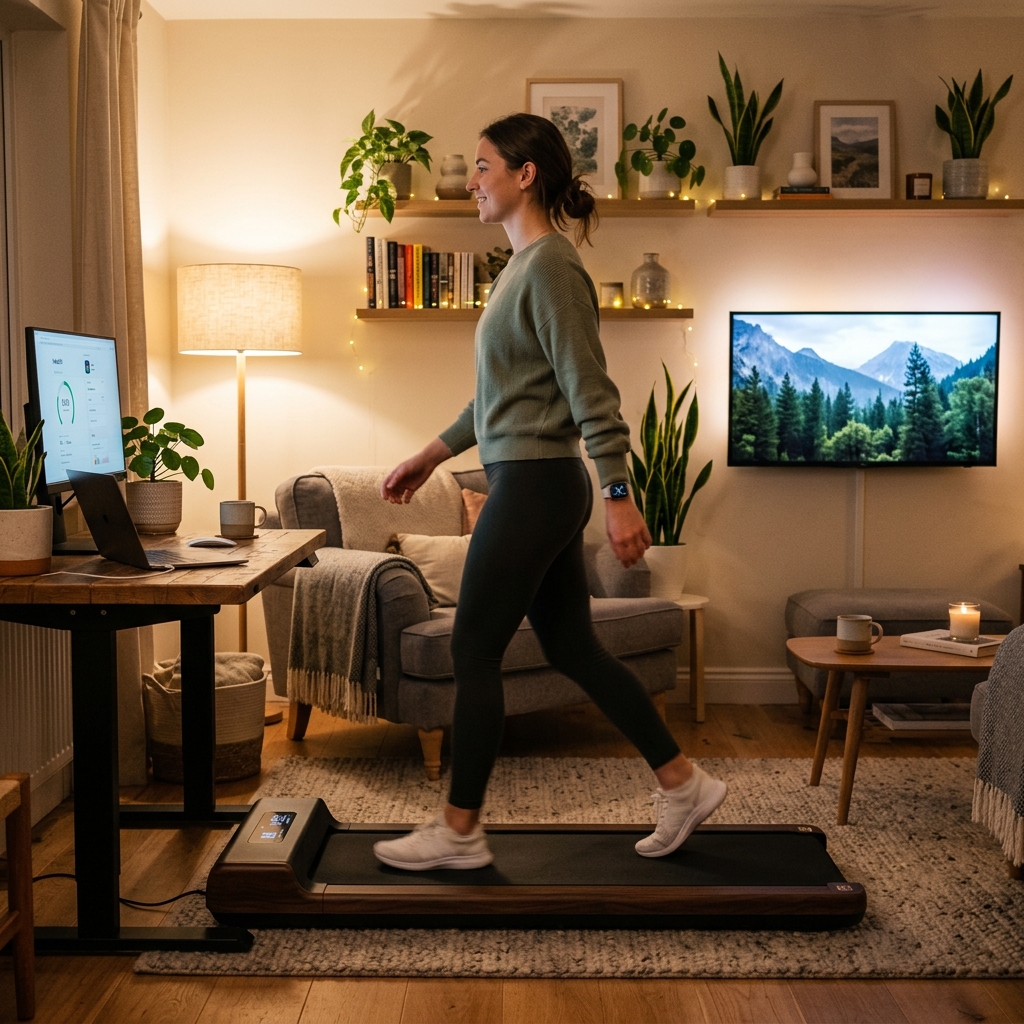
The Personalized Health Revolution: How Wearables and Biohacking Are Transforming Wellness
Health Focus Team
Published
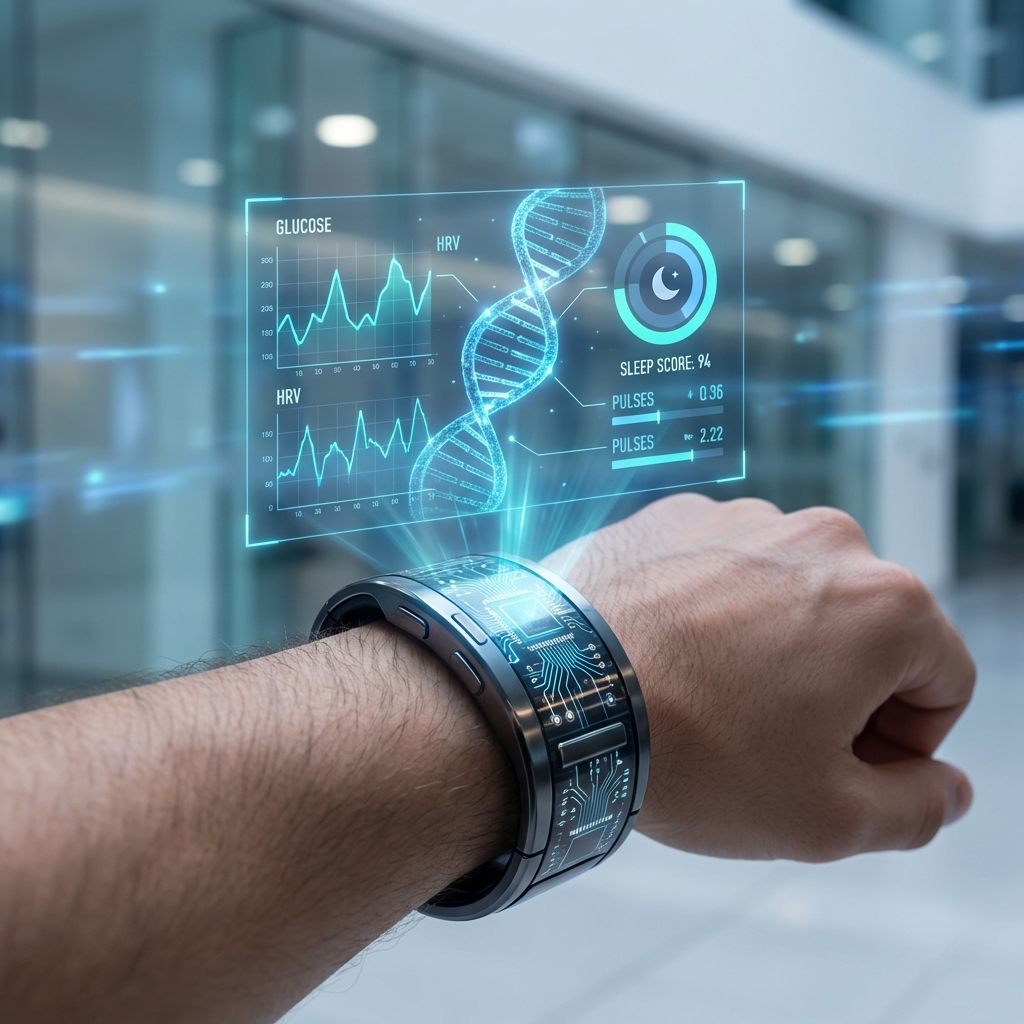
Discover how personalized health, AI wearables, and data-driven insights are replacing generic advice. Learn to track HRV and optimize your wellness routine.
Written by: Health Focus Research Team Medically Reviewed by: Dr. Sarah Chen, MD, PhD – Board-Certified Neurologist & Integrative Medicine Specialist Last updated: February 28, 2026 | Reading time: 8 minutes
⚠️ Medical Disclaimer: This article is for educational purposes only. It does not constitute medical or mental health advice. If you experience severe or persistent symptoms, consult a qualified healthcare professional.
There's a quiet revolution happening on people's wrists, fingers, and even inside their bodies. We're no longer satisfied with generic health advice that treats everyone the same. The one-size-fits-all approach to wellness is officially dead, replaced by data-driven, personalized health strategies that treat you as the unique biological system you actually are.
Welcome to the age of personalized health, where your glucose responses, sleep patterns, and stress markers are as individual as your fingerprint—and technology is finally catching up to measure all of it.
From Guessing to Knowing: The End of Generic Health Advice
There's a quiet revolution happening on people's wrists, fingers, and even inside their bodies. We're no longer satisfied with generic health advice that treats everyone the same. The one-size-fits-all approach to wellness is officially dead, replaced by data-driven, personalized health strategies that treat you as the unique biological system you actually are.
Welcome to the age of personalized health, where your glucose responses, sleep patterns, and stress markers are as individual as your fingerprint—and technology is finally catching up to measure all of it.
From Guessing to Knowing: The End of Generic Health Advice
Remember when healthy eating meant following a standard food pyramid? Or when fitness success was measured purely by how many calories you burned? Those days feel almost prehistoric now.
The shift toward personalized health isn't just a trend—it's a fundamental rethinking of how we approach wellness. Instead of being told what to do based on population averages, we're learning to listen to our own bodies through precise, continuous data collection.
Think about it: your body might process carbs completely differently than your partner's, even if you eat the exact same meal. Your optimal sleep window might be 10 PM to 6 AM, while your coworker thrives on a midnight-to-8 AM schedule. Generic advice can't account for these individual differences—but personalized data can.
The Wearable Explosion: More Than Just Step Counters
Today's wearables have evolved far beyond simple pedometers. Modern options like the Oura Ring, WHOOP, Apple Watch, and continuous glucose monitors are often cited among the best wearable devices for tracking heart rate variability and sleep quality. These are sophisticated biometric tracking systems that provide real-time insights into your body's internal state.
These devices measure metrics that were once only available through expensive lab tests: heart rate variability (HRV), blood oxygen saturation, body temperature variations, respiratory rate, glucose fluctuations, and even stress markers through galvanic skin response.
What makes this particularly powerful is the continuous nature of the data. Instead of getting a snapshot during an annual physical, you're collecting thousands of data points every day. This allows you to see patterns, identify triggers, and understand how different factors affect your personal health in ways that were previously impossible.
Glucose Tracking: The Next Frontier of Metabolic Health
One of the most fascinating developments in personalized health is the mainstreaming of continuous glucose monitors (CGMs). Originally designed for diabetics, these tiny sensors are now being used by health-conscious individuals to understand their metabolic responses to different foods.
Here's why this matters: blood sugar isn't just about diabetes. Your glucose levels throughout the day affect your energy, mood, hunger, sleep quality, and long-term disease risk. But here's the thing—everyone responds differently to the same foods.
You might eat a banana and barely see your glucose spike, while your friend eats the same banana and experiences a dramatic blood sugar rollercoaster. Understanding your personal glucose patterns allows you to make food choices that keep your energy stable and your metabolic health optimized.
Companies like Levels and Nutrisense have made CGMs accessible to non-diabetics, pairing the technology with apps that help you interpret your data and make actionable changes. The goal isn't perfection—it's awareness and optimization based on your unique biology.
The New Social Currency: Sharing Your Biometrics
Something interesting has happened in wellness communities—sharing biometric data has become completely normalized. People post screenshots of their glucose curves, HRV trends, and sleep scores with the same casual frequency they once shared vacation photos.
In fitness and wellness circles, optimization isn't just a hobby—it's an identity. People compare recovery scores, discuss what helped them improve their deep sleep percentage, and share strategies for maintaining stable glucose throughout the day.
This isn't narcissism—it's a genuine desire to understand and improve human performance. These communities have created spaces where n=1 experimentation (personal testing) is valued and shared, contributing to a collective understanding of what works for different bodies.
Beyond Tracking: AI-Powered Health Coaching
The next evolution in personalized health isn't just about collecting data—it's about making sense of it. This is where artificial intelligence enters the picture. If you're wondering how to use AI-powered health wearables for personalized wellness, it starts with apps that go beyond raw numbers.
Health and fitness platforms are increasingly incorporating AI coaching that learns your patterns, goals, and preferences to create truly tailored recommendations. Unlike a human coach who might work with hundreds of clients, AI can analyze your specific data 24/7 and adjust recommendations in real-time.
Apple, WHOOP, and even fitness clubs like Life Time are building sophisticated AI frameworks that create individualized plans based on your goals, fitness level, available equipment, schedule, and recovery status. These systems can even correct your form through computer vision and adjust your workout intensity based on your recent sleep quality or stress levels.
The key advantage? These AI systems can process multiple variables simultaneously—something even the best human coaches struggle with. They can notice that your workout performance drops when you eat certain foods before training, or that your recovery suffers when you exercise too late in the evening.
The Dark Side: When Optimization Becomes Obsession
With all this power to track and optimize, there's a valid concern about when healthy monitoring crosses into unhealthy obsession. The same technology that helps people improve their health can also feed anxiety and compulsive behavior.
Some people become so fixated on hitting perfect scores that they experience stress when their metrics aren't optimal—which, ironically, worsens those metrics. Sleep tracking anxiety is particularly common, where people become so focused on their sleep score that the stress actually disrupts their sleep.
The healthiest approach to personalized health involves curiosity without judgment. Your data is information, not a report card. A "bad" HRV day isn't a personal failure—it's your body telling you something about your current state. Maybe you need more recovery, better sleep, or stress management. The data is a tool, not a taskmaster.
Practical Steps to Get Started with Personalized Health
You don't need thousands of dollars in equipment to begin personalizing your health approach. If you're curious about how to start biohacking with wearable tech for beginners, simply start small and build from there.
Begin with basic tracking: Even a simple sleep diary or food journal can reveal patterns. Note how you feel after different meals, what time you naturally get tired, and what factors seem to affect your energy and mood.
Consider one wearable: If you're ready to invest, choose one device that tracks the metrics most relevant to your goals. Interested in fitness recovery? Consider WHOOP or Oura, which are widely considered some of the best biohacking tools for stress management and recovery at home. Want to understand your metabolic health? A CGM might be worth trying for a month.
Focus on actionable metrics: Not all data is equally useful. Heart rate variability, sleep quality, and glucose patterns tend to be highly actionable—meaning you can actually change behaviors based on what you learn. Obsessing over metrics you can't influence is a waste of mental energy.
Give it time: Personalized health isn't about instant optimization. You need at least a few weeks of consistent data to identify meaningful patterns. Don't make major decisions based on a single day's data.
The Democratization of Preventive Medicine
What's really exciting about personalized health technology is its potential to shift healthcare from reactive to proactive. Traditionally, you only got detailed health data when something went wrong. Now, you can spot concerning trends before they become serious problems.
Consistently elevated resting heart rate? That might warrant a conversation with your doctor before it becomes a cardiovascular issue. Declining sleep quality and rising stress markers? Time to address burnout before it leads to serious health consequences.
This shift toward preventive, personalized care could fundamentally transform healthcare outcomes. Instead of waiting for disease and then treating it, we're moving toward a model of continuous monitoring and early intervention.
Looking Forward: The Future of Personalized Health
As we move further into 2025 and beyond, personalized health will only become more sophisticated. We're seeing early research into genetic testing combined with microbiome analysis to create hyper-personalized nutrition plans. Wearables are getting smaller, more accurate, and less invasive.
Some companies are exploring implantable biosensors that could monitor multiple health markers continuously without any conscious effort. Others are developing AI systems that can predict health issues before traditional symptoms appear, based on subtle pattern changes in your biometric data.
But here's the most important thing to remember: all this technology is just a tool. The goal isn't to become a slave to your data or to optimize every single aspect of your biology. The goal is to understand yourself better, make informed decisions about your health, and ultimately live a longer, healthier, more vibrant life.
Your body is constantly communicating with you. Personalized health technology simply gives you better tools to understand what it's saying. Whether you choose to use a $300 ring or a simple journal, the principle is the same—listen to your body, test what works for you, and build a health strategy that's as unique as you are.
Because when it comes to your health, you're not a statistic. You're an n of 1, and you deserve a personalized approach that actually works for your unique biology.
Frequently Asked Questions
What is biohacking, and how do wearables actually help?
Biohacking simply means using science, data, and lifestyle changes to improve your physical and mental performance. Wearables act as the foundational tools, collecting vital metrics like your sleep stages, resting heart rate, and activity levels so you can make informed decisions rather than guessing.
Are biohacking wearables accurate enough to replace medical advice?
No. While modern consumer wearables are incredibly advanced and helpful for overall wellness tracking, they aren't meant for medical diagnosis. They can certainly provide early alerts for potential issues—like a sudden drop in sleep quality or unusually high stress—but they shouldn't replace a conversation with your doctor or clinical-grade tests.
How do I choose the right wearable for my specific health goals?
It all comes down to what you want to focus on. If your main goal is understanding your recovery and managing stress, a ring or band focused on sleep and heart rate variability (like Oura or WHOOP) is ideal. If you want to track workout intensity, GPS routes, and overall fitness, a specialized smartwatch (like Garmin or Apple Watch) might be the better fit.
Is my personal health data safe with these devices?
Data privacy is a major concern when using smart devices. Before committing to a wearable, always read the manufacturer's privacy policy to see how your information is stored, protected, and whether it's shared with third parties. Many top-tier brands allow you to opt out of data sharing entirely.
Medical Disclaimer: This article is for informational purposes only and does not constitute medical advice. Always consult a qualified healthcare provider.
Frequently Asked Questions
What is biohacking, and how do wearables actually help?
Biohacking simply means using science, data, and lifestyle changes to improve your physical and mental performance. Wearables act as the foundational tools, collecting vital metrics like your sleep stages, resting heart rate, and activity levels so you can make informed decisions rather than guessing.
Are biohacking wearables accurate enough to replace medical advice?
No. While modern consumer wearables are incredibly advanced and helpful for overall wellness tracking, they aren't meant for medical diagnosis. They can certainly provide early alerts for potential issues—like a sudden drop in sleep quality or unusually high stress—but they shouldn't replace a conversation with your doctor or clinical-grade tests.
How do I choose the right wearable for my specific health goals?
It all comes down to what you want to focus on. If your main goal is understanding your recovery and managing stress, a ring or band focused on sleep and heart rate variability (like Oura or WHOOP) is ideal. If you want to track workout intensity, GPS routes, and overall fitness, a specialized smartwatch (like Garmin or Apple Watch) might be the better fit.
Is my personal health data safe with these devices?
Data privacy is a major concern when using smart devices. Before committing to a wearable, always read the manufacturer's privacy policy to see how your information is stored, protected, and whether it's shared with third parties. Many top-tier brands allow you to opt out of data sharing entirely.