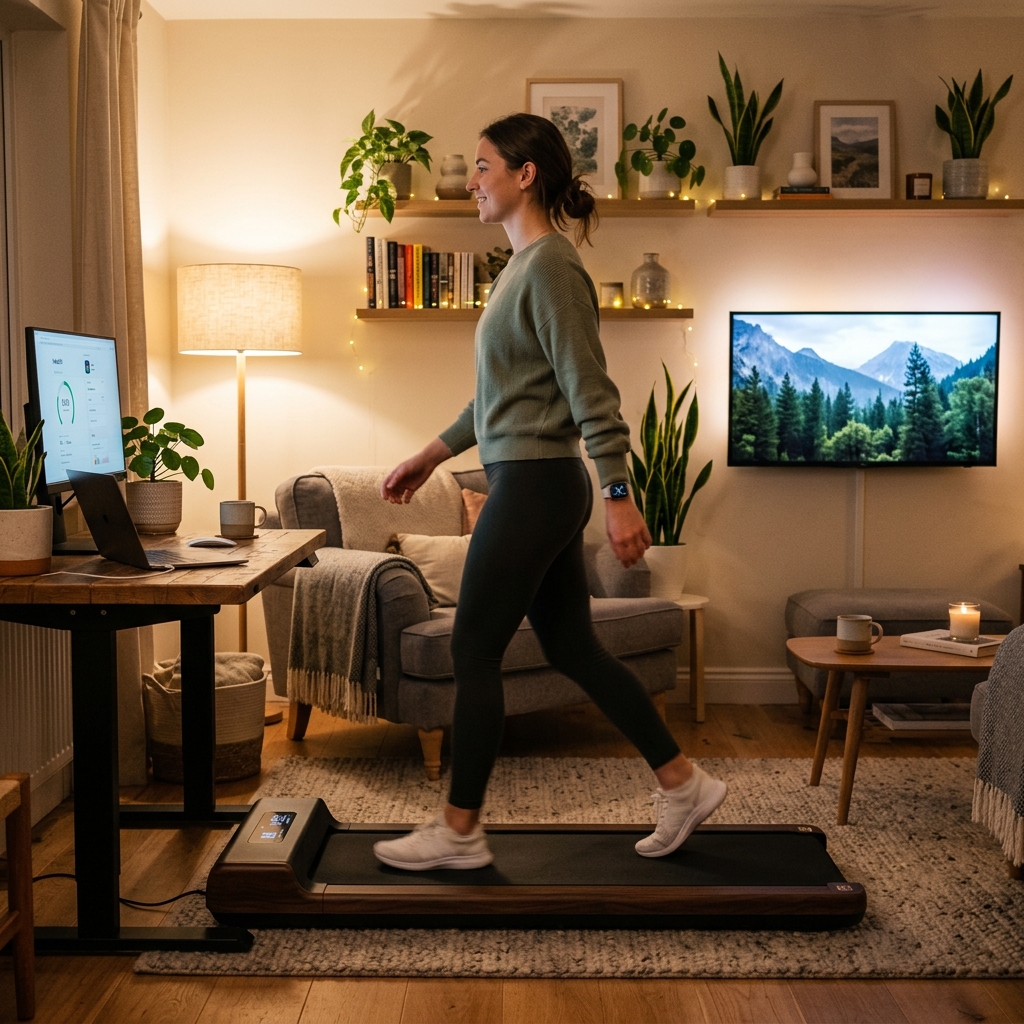
The Longevity Revolution: Why Living to 100 Is Just the Beginning
Health Focus Team
Published

Discover the top longevity breakthroughs in 2025 and learn how to increase your healthspan. From biological age testing to longevity clinics, find out how compressing morbidity adds vibrant life to your years.
Written by: Health Focus Research Team Medically Reviewed by: Dr. Sarah Chen, MD, PhD – Board-Certified Neurologist & Integrative Medicine Specialist Last updated: February 28, 2026 | Reading time: 8 minutes
⚠️ Medical Disclaimer: This article is for educational purposes only. It does not constitute medical or mental health advice. If you experience severe or persistent symptoms, consult a qualified healthcare professional.
Americans want to live to 91 years old on average, according to recent surveys. But here's the thing—nobody's just hoping to add more years anymore. They want those years to actually be worth living. Welcome to the longevity revolution, where the goal isn't just a longer life, but a better one. And 2025 is shaping up to be the year when the science of aging stops being theoretical and starts becoming actionable.
From groundbreaking discoveries about what makes us age to cutting-edge clinics offering personalized anti-aging protocols, we're witnessing a fundamental shift in how we think about getting older. The question is no longer "How long will I live?" It's "How well will I live?"
The Science That's Changing Everything About Aging
When looking at the biggest longevity breakthroughs in 2025, the research is seriously exciting. We're not talking about anti-aging creams or wishful thinking—we're talking about actual science that's changing how our cells age at the most fundamental level.
One of the most fascinating discoveries involves mitochondria, those tiny powerhouses inside every cell. Scientists found that boosting a specific protein that helps mitochondria work more efficiently didn't just slow aging in mice—it reversed several age-related changes. The animals developed stronger muscles, better metabolism, healthier fat tissue, and lived significantly longer. Their cells literally produced more energy while reducing the oxidative stress and inflammation that drive aging.
Think about that for a second. Researchers didn't just slow down the aging process—they improved how efficiently cells generate energy, and everything else followed. Better metabolism. Stronger endurance. Fewer signs of cellular wear and tear. It's like upgrading your body's entire power grid.
Meanwhile, other research revealed that measuring the biological age of organs, particularly your brain and immune system, might be the most important predictor of how well you'll age. People whose brains tested as biologically young had four times lower risk of Alzheimer's disease, regardless of their genetics. And here's the kicker—people whose brain and immune system both measured as young had 56% lower mortality risk over a 15-year period.
The takeaway? Aging isn't uniform. Different organs age at different rates, and keeping certain systems—particularly your brain and immune system—young might be especially crucial for extending your healthspan.
Healthspan vs. Lifespan: The Distinction That Matters
Here's where the conversation gets interesting. For decades, longevity research focused primarily on extending lifespan—how many years you live. But that narrow focus missed something crucial: quality matters more than quantity.
If you're wondering what is the difference between lifespan and healthspan, it comes down to compressing morbidity—shortening the period of illness at the end of life. Healthspan is the number of years you live in good health, maintaining independence and free from chronic disease. This is what people actually care about. Nobody's dreaming of spending their 80s and 90s battling multiple chronic diseases or unable to do the things they love. They want to stay vibrant, active, independent, and engaged with life.
The good news? The same interventions that extend lifespan also tend to improve healthspan. And many of these interventions aren't futuristic therapies—they're simple habits you can start implementing today.
The Four Pillars of Longevity You Can Control
Recent research from longevity experts reveals four cornerstone habits that consistently show up in people who age well. None of them require expensive treatments or cutting-edge technology.
Exercise is non-negotiable: Physical activity topped the list when health experts ranked the most important longevity habits. Exercise doesn't just keep your heart healthy—it builds muscle to fight age-related muscle loss, boosts cognitive function by increasing blood flow to the brain, reduces inflammation, manages stress, and even stimulates the production of new brain cells.
You don't need to become a marathon runner. Strength training twice a week, regular walking, activities you actually enjoy—consistency matters more than intensity. Your muscles are one of the most reliable predictors of healthy aging. The stronger you are at 50, 60, or 70, the better your odds of staying independent and active in your later years.
Your diet shapes how you age: Nutrition came in as the second most critical factor for healthy aging. A diet rich in fruits, vegetables, whole grains, lean proteins, and healthy fats provides the nutrients that protect cells from damage, reduce inflammation, and prevent chronic diseases.
The longest-lived populations in the world—the Blue Zones—share common dietary patterns: mostly plant-based, lots of fiber, healthy fats, minimal processed foods. They're not following trendy diets or counting macros obsessively. They're eating real food, mostly plants, in reasonable amounts.
Sleep is your body's repair time: Quality sleep ranked as one of the top three drivers of longevity. During sleep, your body repairs cellular damage, consolidates memories, regulates hormones, and clears metabolic waste from your brain. Chronic sleep deprivation accelerates aging at the cellular level.
Recent research has shown that sleep regularity—going to bed and waking up at consistent times—has a stronger connection to mortality risk than total sleep duration. Your body thrives on routine.
Social connection extends your life: Here's something that doesn't get enough attention—loneliness and social isolation are as harmful to your health as smoking or obesity. Strong social connections reduce inflammation, lower stress hormones, boost immune function, and even change your brain structure in positive ways.
Studies show that maintaining meaningful relationships and staying socially engaged can add years to your life. Some research suggests that a positive mindset and strong social ties can add more than seven years to your lifespan—more than many medical interventions.
The Longevity Clinic Revolution
All this scientific progress has spawned a new industry: longevity clinics. These aren't your typical doctor's offices. They're high-tech, personalized healthcare centers that use advanced diagnostics—genomic testing, multi-omics profiling, advanced imaging, AI-powered analysis—to create customized strategies for extending healthspan.
Located in places like the United States, Switzerland, and the UAE, these clinics track dozens of biomarkers over time, looking for early signs of aging or disease before traditional symptoms appear. They offer everything from customized nutrition plans based on your genetics to experimental therapies targeting the biological mechanisms of aging.
The catch? They're expensive—some programs cost $10,000 to over $100,000 per year. They also operate outside conventional medical systems, which raises questions about regulation and scientific validation. Not all interventions they offer have solid clinical backing.
But here's what's intriguing: by collecting extensive, long-term health data from clients, these clinics might actually contribute to longevity research. When paired with artificial intelligence, this data could help identify early biomarkers of aging and advance our understanding of what works.
The challenge is democratizing these advances so they're not just available to the wealthy few who can afford boutique clinics. The emerging field of healthspan economics suggests that extending healthy life expectancy yields massive societal value, making it crucial to widen access to these interventions.
Simple Anti-Aging Interventions Anyone Can Try
While we wait for futuristic longevity therapies, research from 2025 revealed several accessible interventions that show real promise for slowing aging:
Vitamin D supplementation: A major study found that taking daily vitamin D3 supplements can reduce biological wear and tear equivalent to nearly three years of aging. The protective effects on cellular aging were significant and measurable. Given that vitamin D deficiency is incredibly common, especially in northern climates, this is one of the most actionable findings for most people.
Transcendental meditation: Research found that this specific meditation practice—which involves silently repeating a mantra to achieve deep relaxation—significantly alleviates stress and slows aging at the genetic level. Participants who practiced transcendental meditation showed lower expression of genes associated with inflammation and aging.
Creative activities: Here's a fun one—engaging in creative hobbies like music, dance, painting, or even certain video games may help keep your brain biologically younger. Studies analyzing brain data from adults who regularly pursued creative activities found that their brain patterns appeared younger than their actual age. Even short bursts of creative activity showed noticeable benefits.
Social engagement: Maintaining strong relationships, participating in community activities, and staying socially connected all contribute to slower biological aging. This isn't just about feeling less lonely—social connection has measurable effects on inflammation, stress hormones, and immune function.
The Role of Preventive Medicine
One of the most exciting aspects of the longevity revolution is the shift from reactive healthcare—waiting until you're sick to seek treatment—to preventive medicine. Technology is making it possible to identify concerning health trends before they become serious problems.
Consistently elevated resting heart rate? That might warrant investigation before it becomes a cardiovascular issue. Declining sleep quality and rising stress markers? Time to address burnout before it leads to serious health consequences. Subtle changes in biomarkers that predict cognitive decline? Opportunity for early intervention.
This proactive approach could fundamentally transform health outcomes. Instead of treating disease after it develops, we're moving toward a model of continuous monitoring and early intervention based on individual data.
What About Anti-Aging Supplements?
Walk into any health store and you'll be bombarded with supplements claiming to slow aging, boost longevity, or turn back the clock. The truth is more nuanced than the marketing suggests.
Some supplements have legitimate research backing their anti-aging potential—vitamin D, omega-3 fatty acids, certain antioxidants. Others are being actively studied, like NAD+ precursors, resveratrol, and metformin (a diabetes drug being investigated for anti-aging effects).
But here's the reality: no supplement can overcome poor diet, lack of exercise, terrible sleep, and chronic stress. The fundamentals matter most. Supplements might offer marginal benefits for people who've already optimized their lifestyle. For everyone else, they're putting the cart before the horse.
Focus on the boring basics first: move your body, eat real food, sleep well, manage stress, stay connected. Then, if you're interested in optimization, work with knowledgeable healthcare providers to identify which supplements might benefit your specific situation based on your individual health markers.
The Future Is Already Here (For Some)
Countries like the UAE and Singapore are pioneering new models that integrate healthspan-focused policies, national genome projects, and government-backed longevity initiatives. They're funding innovation, integrating health data, and implementing programs that personalize health plans and subsidize preventive care.
These policy-driven approaches demonstrate how governments can accelerate progress toward healthier aging at the population level. As these models prove successful, expect other countries to follow suit.
Meanwhile, AI-powered longevity platforms are emerging that offer real-time biological age calculations, behavior-linked interventions, and integrated reporting for metabolic, hormonal, and cognitive risk factors. We're moving beyond passive health tracking toward active clinical utility.
The Bottom Line: Your Actions Matter More Than Your Genes
Here's perhaps the most empowering finding from recent longevity research: genetics account for far less of your health destiny than once believed. Your daily habits and lifestyle choices have a far greater impact on how you age than your genetic inheritance.
This means you have more control than you think. The choices you make today—what you eat, how you move, how well you sleep, how you manage stress, how you connect with others—all compound over time.
Think of it like investing for retirement. Small, consistent contributions made early have exponential effects because of compound interest. The same principle applies to your health. The earlier you start making healthy choices, the greater your "nest egg" of wellness as you age.
You don't need access to expensive longevity clinics or cutting-edge therapies to age well. You need to do the simple things consistently: move your body regularly, eat mostly whole foods, prioritize sleep, manage stress, maintain relationships, and stay engaged with life.
The longevity revolution isn't about discovering some magic pill that stops aging. It's about understanding the science well enough to make informed choices that add not just years to your life, but life to your years.
And that revolution? It starts with what you do today.
Frequently Asked Questions
What is the difference between lifespan and healthspan? Lifespan is the total number of years you live, whereas healthspan is the portion of those years spent in good health, maintaining your independence, and free from serious, disabling chronic conditions.
Is it too late to start improving my healthspan? Absolutely not. Experts emphasize that it is never too late to adopt healthy habits. Even small, sustainable changes in diet, daily movement, and social habits can provide significant benefits to your functional health at any age.
What were the biggest longevity breakthroughs in 2025? The most exciting developments included new ways to measure the biological age of specific organs, discoveries showing that a youthful brain and immune system are leading predictors of overall healthspan, and an increased understanding of combination therapies to slow aging.
Why is compressing morbidity important? Compressing morbidity means shortening the period of illness and disability at the end of life. The goal isn't simply a longer life, but ensuring those extra years are vibrant, active, and fulfilling.
Medical Disclaimer: This article is for informational purposes only and does not constitute medical advice. Always consult a qualified healthcare provider.
Frequently Asked Questions
What is the difference between lifespan and healthspan?
Lifespan is the total number of years you live, whereas healthspan is the portion of those years spent in good health, maintaining your independence, and free from serious, disabling chronic conditions.
Is it too late to start improving my healthspan?
Absolutely not. Experts emphasize that it is never too late to adopt healthy habits. Even small, sustainable changes in diet, daily movement, and social habits can provide significant benefits to your functional health at any age.
What were the biggest longevity breakthroughs in 2025?
The most exciting developments included new ways to measure the biological age of specific organs, discoveries showing that a youthful brain and immune system are leading predictors of overall healthspan, and an increased understanding of combination therapies to slow aging.
Why is compressing morbidity important?
Compressing morbidity means shortening the period of illness and disability at the end of life. The goal isn't simply a longer life, but ensuring those extra years are vibrant, active, and fulfilling.