Why Your Body Feels Burned Out Before Lunch (And It's Not Just Coffee)
Health Focus Team
Published
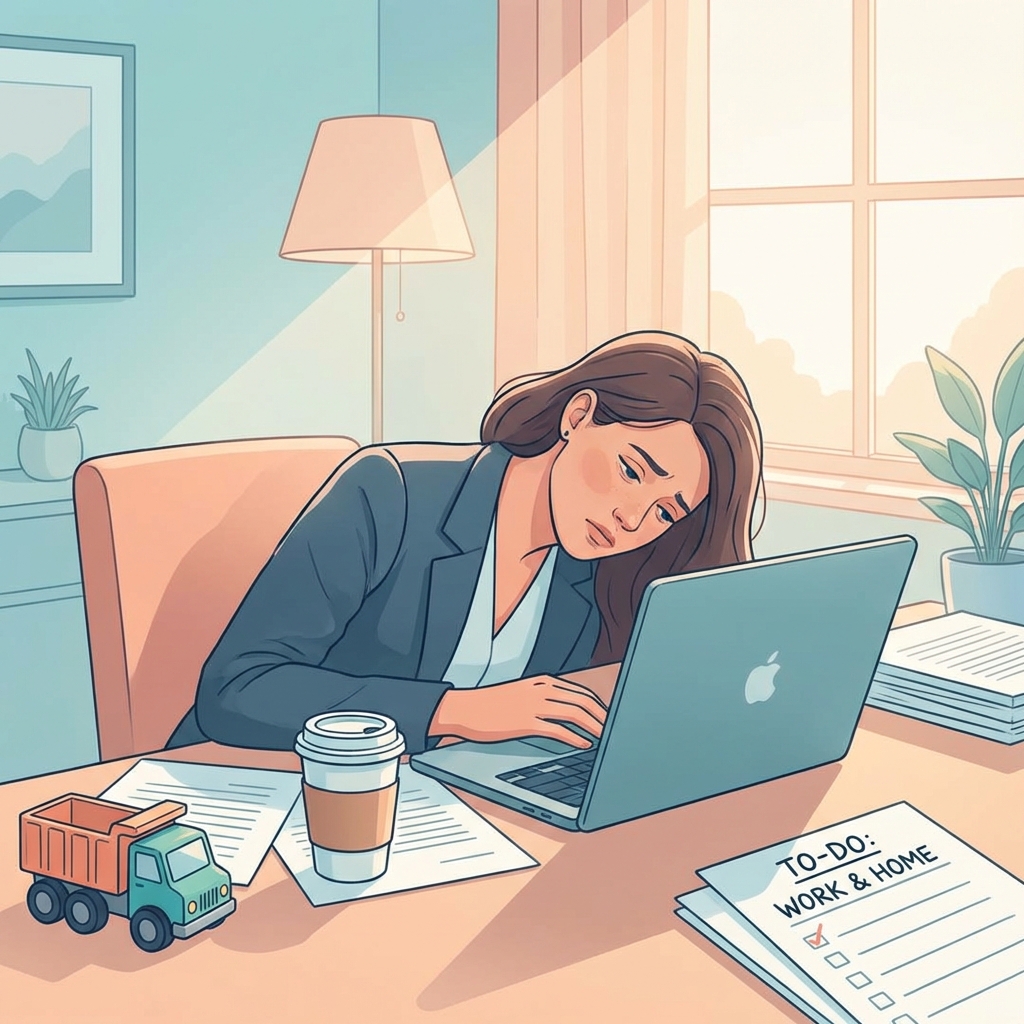
Feeling burnt out before lunch? Learn the signs of burnout in women, the difference from chronic stress, and evidence-based recovery strategies.
Written by: Health Focus Research Team Medically Reviewed by: Dr. Michael Chen, MD, FACC – Preventive Cardiologist & Men's Health Specialist Last updated: February 28, 2026 | Reading time: 8 minutes
⚠️ Medical Disclaimer: This article is for educational purposes only. Testosterone levels and men's hormonal health should be evaluated by a qualified physician. Do not self-treat based on this article.
You've been awake for three hours. You've already sent fourteen emails, attended two meetings, reminded your partner about the dentist appointment, mentally planned dinner, and responded to your mom's text about Thanksgiving. It's only 10:47 AM, and you're exhausted.
If this sounds familiar, you're not imagining things. You're experiencing what researchers are now calling the modern epidemic of burnout—and women are carrying the heaviest burden.
The Numbers Don't Lie
Recent data paints a sobering picture of workplace exhaustion. Research shows that about 82% of employees are at risk of burnout, marking a dramatic increase from previous years (The Interview Guys, 2025). But here's what makes this even more concerning: women are burning out at rates significantly higher than their male colleagues.
In the healthcare sector, where researchers have extensively studied this phenomenon, 75% of female workers report experiencing burnout compared to 58% of men (HCPLive, 2024). A comprehensive analysis examining women across various professions found that women had 60% higher odds of being burned out than men—and this gap has persisted over time (NCBI, 2025).
Think about that for a second. Women aren't just slightly more stressed. They're experiencing burnout at rates nearly double that of their male counterparts in some industries.
Why Women Bear the Brunt
The reasons aren't mysterious, even if they're frustrating. Women face what researchers call the "double shift"—they work full-time jobs and then come home to what's essentially a second job of household management and caregiving.
Studies show that even in 2025, women shoulder a disproportionate burden of domestic responsibilities. Research published in Community, Work & Family reveals that mothers report being responsible for an average of 72.57% of all cognitive household labor compared to their partners' 27.43% (PMC, 2025). This isn't just about washing dishes or doing laundry—it's about the invisible mental work of remembering, planning, and coordinating everything that keeps a household running.
The "motherhood penalty" adds another layer to this burden. Research by Karakcheyeva and colleagues found that women who take time away from careers to have families often experience negative repercussions upon reentering the workforce, including fewer opportunities for promotion and the unfair perception that women prioritize family over careers (HCPLive, 2024).
What Burnout Actually Does to Your Body
This isn't just about feeling tired. Understanding chronic stress vs. burnout is crucial: while stress feels like you have too much on your plate, burnout is a complete sense of depletion and lack of motivation. The signs of burnout in women go far beyond simple fatigue. Studies have linked burnout in women to increased triglyceride levels and inflammation biomarkers, suggesting an association with heightened risk for cardiovascular-related diseases (NCBI, 2025). Research also shows that women physicians experiencing burnout are 2.27 times more likely to die by suicide than women in other professions (NCBI, 2025).
The emotional toll is equally severe. When looking at emotional exhaustion symptoms, women experiencing burnout report higher levels of apathy, numbness, and an inability to cope with daily challenges. Even those dealing with high-functioning burnout—where they outwardly manage their obligations while running on fumes internally—find that this emotional exhaustion doesn't just affect work performance. It spills into every aspect of life, reducing the capacity to cope with daily challenges and undermining career resilience.
The Workplace Isn't Helping
Here's what makes this situation particularly frustrating: many workplaces aren't designed with women's realities in mind. Analysis from the Women in the Workplace study—the largest research project on women in corporate America—shows that senior-level women stand out for particularly high levels of burnout and job insecurity (Lean In, 2025). One in three women has considered downshifting their career or leaving the workforce entirely, compared with one in four men.
The pandemic amplified these pressures to crisis levels. During 2021, 42% of women reported feeling burned out "often or almost always," substantially higher than men (Wellhub, 2025). While we've moved past the acute pandemic phase, stress levels remain stubbornly high—in 2024, about 51% of women say they feel more stressed than a year ago.
It's Not About Being Lazy
Let's be clear about something: if you're experiencing burnout, it's not because you're not working hard enough. It's often precisely because you're working too hard, in too many directions, with too little support.
The research is unambiguous on this point. A study of over 48,000 women found that employment and higher incomes reduce women's physical housework but do not lighten their cognitive labor burden (University of Bath, 2025). In other words, earning more money or climbing the career ladder doesn't actually reduce the mental load women carry—it just adds to it.
Women continue shouldering the same level of "mental load" of family life—planning, remembering, organizing—regardless of whether they have more resources or less time. Even career-successful women earning six figures report the same persistent responsibility for anticipating and coordinating household needs.
What Actually Helps
The good news? Research has identified interventions that genuinely reduce burnout and improve well-being for working women. These aren't quick fixes or self-care platitudes—they're evidence-based strategies that address the root causes.
According to research from George Washington University, supportive interventions include flexible work schedules, expanded parental leave policies, professional development opportunities during regular work hours, and opportunities for professional recognition (George Washington University SMHS). About 21% of reviewed studies found the importance of supportive personal relationships in the workplace.
On an individual level, research has found that intentional mindfulness, proper nutrition, regular physical activity, and restorative sleep may reduce stress and burnout. The challenge, as researchers note, is cultivating work environments that both recognize the importance of these practices and actively provide outlets or opportunities for individuals to attend to these needs.
The Bigger Picture
What we're really talking about here is a systemic problem masquerading as an individual one. When 82% of employees are at risk of burnout and women experience it at dramatically higher rates, that's not a personal failure—it's a structural issue.
The gap in burnout between men and women has almost doubled in the past year, according to the Women in the Workplace report (Public Affairs Council, 2023). This isn't happening because women suddenly became less capable of handling stress. It's happening because the expectations placed on women—both at work and at home—have intensified while support systems remain inadequate.
Moving Forward
If you're reading this and seeing yourself in these statistics, know that acknowledging burnout is the first step. Too many women struggle to name exactly why they feel stressed, anxious, and worried. Having the language to say, "I'm not just doing physical chores—I'm juggling countless mental responsibilities" can be validating in itself.
The conversation about burnout needs to shift from individual resilience to systemic change. Yes, personal strategies matter—setting boundaries, saying no, prioritizing sleep, and seeking support. But real change requires workplaces to redesign how work gets done, how caregiving is valued, and how success is measured.
Because here's the truth: feeling burned out before lunch isn't a personal failing. It's a rational response to an irrational set of expectations. And it's time we stopped asking women to just work harder to keep up and started demanding that systems change to actually support them.
Frequently Asked Questions
What is the difference between chronic stress and burnout? Stress involves feeling like there are too many pressures and demands on your time, but you can usually imagine that once the pressure passes, things will improve. Burnout, on the other hand, is a deep sense of depletion. It's characterized by a lack of motivation, emotional numbness, and feeling completely drained—and it often requires more than just taking a day off to resolve.
What are the physical signs of burnout in women? The physical signs often include a persistent, deep fatigue that doesn't go away with sleep. Women may also experience headaches, muscle tension (especially in the neck, shoulders, and jaw), digestive issues, and an increased susceptibility to illness due to a compromised immune system.
Is feeling burnt out before lunch normal? While it's common in our fast-paced society, crashing before the day is even halfway done is a clear signal that your nervous system is under chronic strain. It points to high-functioning burnout or severe depletion, indicating your body needs a serious recalibration of boundaries, rest, and stress management.
How can women recover from emotional exhaustion and burnout? Recovery is a gradual process that involves setting firm boundaries, prioritizing non-negotiable self-care, and learning to identify stressors early. Often, seeking professional support like therapy, taking deliberate breaks, and reassessing your daily workload—both mental and physical—are essential steps toward healing.
References:
- The Interview Guys. (2025). The State of Workplace Burnout in 2025: A Comprehensive Research Report.
- HCPLive. (2024). Women Experience Worse Mental Health, Burnout Than Men.
- National Center for Biotechnology Information (NCBI). (2025). Job Burnout: Consequences for Individuals, Organizations, and Equity.
- PMC. (2025). Cognitive household labor: gender disparities and consequences for maternal mental health and wellbeing.
- Lean In. (2025). Women in the Workplace 2025: Read Key Findings & Takeaways.
- Public Affairs Council. (2023). Toward Equity: Women Are Feeling 'Burnout' More Than Men.
- Wellhub. (2025). Burnout in U.S. Working Women: What HR Needs to Know.
- University of Bath. (2025). Successful career women still shoulder the majority of the 'mental load' at home: new research.
- George Washington University School of Medicine and Health Sciences. Women in Health Care Face Significantly Higher Burnout Rates Compared to Their Male Colleagues.
Medical Disclaimer: This article is for informational purposes only and does not constitute medical advice. Always consult a qualified healthcare provider.
Frequently Asked Questions
What is the difference between chronic stress and burnout?
Stress involves feeling like there are too many pressures and demands on your time, but you can usually imagine that once the pressure passes, things will improve. Burnout, on the other hand, is a deep sense of depletion. It's characterized by a lack of motivation, emotional numbness, and feeling completely drained—and it often requires more than just taking a day off to resolve.
What are the physical signs of burnout in women?
The physical signs often include a persistent, deep fatigue that doesn't go away with sleep. Women may also experience headaches, muscle tension (especially in the neck, shoulders, and jaw), digestive issues, and an increased susceptibility to illness due to a compromised immune system.
Is feeling burnt out before lunch normal?
While it's common in our fast-paced society, crashing before the day is even halfway done is a clear signal that your nervous system is under chronic strain. It points to high-functioning burnout or severe depletion, indicating your body needs a serious recalibration of boundaries, rest, and stress management.
How can women recover from emotional exhaustion and burnout?
Recovery is a gradual process that involves setting firm boundaries, prioritizing non-negotiable self-care, and learning to identify stressors early. Often, seeking professional support like therapy, taking deliberate breaks, and reassessing your daily workload—both mental and physical—are essential steps toward healing.
Related Articles

How Gen Z is Re-writing the Rules of Drinking: The 'Sober Curious' Wave
Aug 3, 2026

Men's Mental Health in America: Why Men Are Suffering in Silence and What Needs to Change
Feb 28, 2026

Why Your Nervous System Is Stuck in Survival Mode (And How to Reset It)
Feb 18, 2026