The Gut-Brain Connection: Why Your Digestive Health Might Be the Key to Better Mental Wellness
Health Focus Team
Published
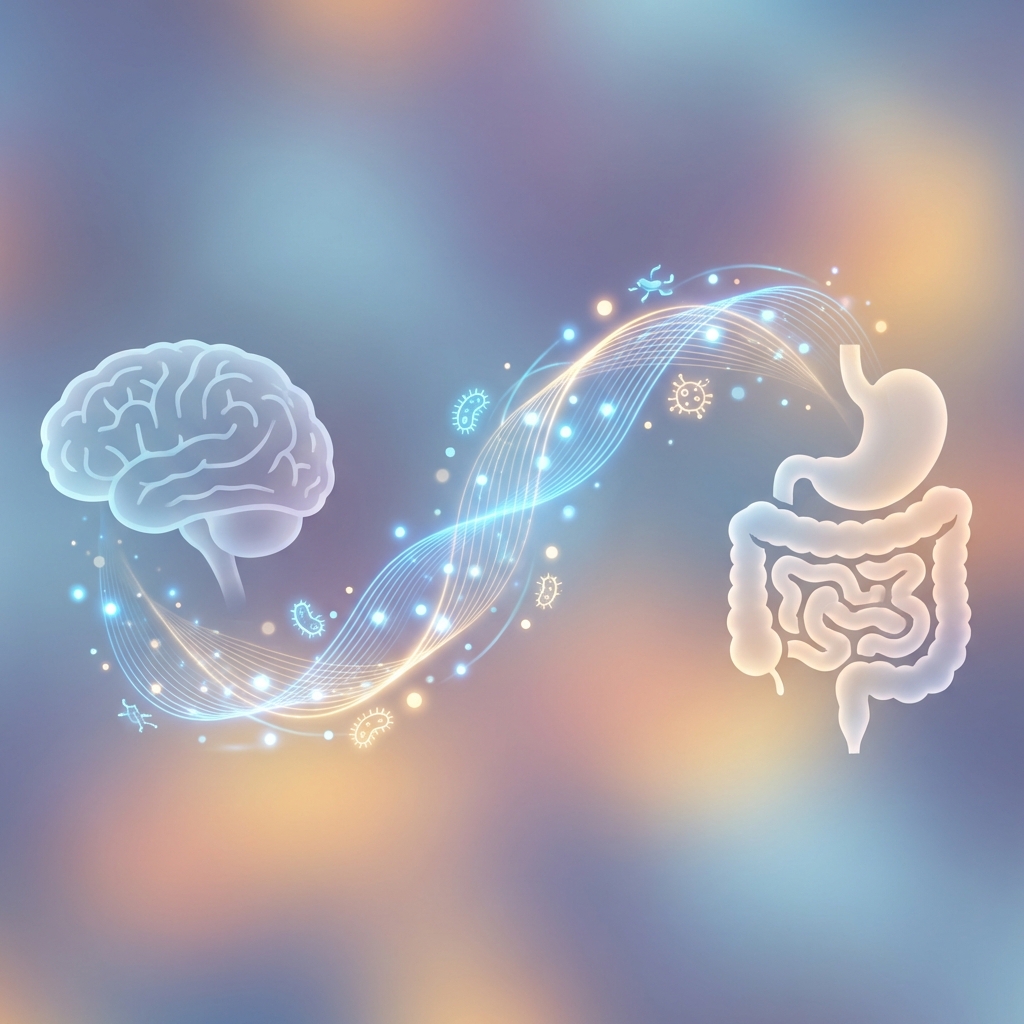
Explore the gut-brain connection and discover how your gut microbiome affects mental health. Learn how to improve gut health to reduce anxiety, support mood regulation, and nourish your second brain.
Written by: Health Focus Research Team Medically Reviewed by: Dr. Priya Sharma, MBBS, MD – Board-Certified Endocrinologist & Obesity Medicine Specialist Last updated: February 28, 2026 | Reading time: 8 minutes
⚠️ Medical Disclaimer: This article is for informational purposes only. If you have metabolic conditions including diabetes, prediabetes, or insulin resistance, always consult your endocrinologist or physician before making dietary changes.
Have you ever felt butterflies in your stomach before a big presentation? Or experienced that uneasy gut feeling when something just didn't feel right? Turns out, your gut and brain have been talking to each other all along—and scientists are only now beginning to understand just how powerful this conversation really is.
The gut-brain connection isn't some trendy wellness buzzword anymore. It's fundamentally reshaping how we think about mental health, mood disorders, and our daily emotional balance. If you've been exploring the link between gut health and anxiety, or struggling with brain fog and unexplained mood swings, the answer might not be in your head—it could be in your gut.
What Exactly Is the Gut-Brain Axis?
Picture this: your gut and brain are connected by a superhighway of nerves, hormones, and chemical messengers. This communication network is called the gut-brain axis, and it works both ways. Your brain can influence your digestive system (ever lost your appetite when stressed?), and your gut can send signals that affect your mood, energy, and mental clarity.
The star player in this relationship is your vagus nerve—a wandering nerve that runs from your brain stem all the way down to your intestines. Think of it as the body's information superhighway, constantly transmitting messages between your gut and your brain.
But here's where it gets really interesting: about 95% of your body's serotonin—that feel-good neurotransmitter that everyone talks about—is actually produced in your gut, not your brain. Your gut also produces dopamine, GABA, and other neurotransmitters that directly influence how you think and feel.
Meet Your Microbiome: The Tiny Tenants Running the Show
Living inside your digestive tract are trillions of microorganisms—bacteria, fungi, viruses, and more. This bustling community is called your gut microbiome, and because of its massive role in regulating how you feel, it is often referred to as the second brain in your gut.
Your gut bacteria don't just help you digest food. They're actively involved in producing vitamins, regulating your immune system, and manufacturing those crucial neurotransmitters we just talked about. When your microbiome is balanced and diverse, you tend to feel mentally sharper and emotionally steadier. When it's out of whack? That's when things can go sideways.
Research has shown that people dealing with anxiety, depression, and even autism spectrum disorders often have different gut bacteria compositions compared to neurotypical individuals. Because of this strong link between gut bacteria and mood regulation, scientists are now heavily exploring whether learning how to improve the gut microbiome for mental health could become a mainstream treatment approach.
The Science Behind Food and Mood
Here's something most people don't realize: every time you eat, you're essentially feeding your microbiome. The foods you choose can either nourish beneficial bacteria or feed the bad guys that cause inflammation and disruption.
When your gut bacteria feast on fiber-rich foods, they produce short-chain fatty acids—powerful compounds that reduce inflammation throughout your body, including in your brain. These fatty acids strengthen the gut lining, preventing harmful substances from leaking into your bloodstream and potentially triggering immune responses that affect your mood.
On the flip side, diets high in processed foods, sugar, and unhealthy fats can promote the growth of harmful bacteria. These troublemakers produce inflammatory compounds and metabolites that can negatively impact your mental state. Ever notice how you feel sluggish and foggy after eating a bunch of junk food? That's your gut bacteria talking.
Real Ways to Support Your Gut-Brain Connection
The good news is that you don't need expensive supplements or extreme diet overhauls to start supporting your gut health. Small, consistent changes can make a real difference in how you feel mentally and emotionally.
Load up on fiber: Your gut bacteria absolutely love fiber. Aim for at least 30 different plant foods per week—fruits, vegetables, whole grains, legumes, nuts, and seeds. The diversity matters just as much as the quantity.
Embrace fermented foods: Kimchi, sauerkraut, kefir, kombucha, and yogurt with live cultures introduce beneficial bacteria directly into your system. Even a few tablespoons of sauerkraut with your meals can make a difference over time.
Consider prebiotics: These are the foods that feed your good bacteria. Think onions, garlic, leeks, asparagus, bananas, and oats. They're like fertilizer for your microbiome garden.
Manage stress: Here's the circular part—stress damages your gut lining and changes your microbiome composition, which then makes you more susceptible to stress. Breaking this cycle through meditation, yoga, or even just regular walks outside can help restore balance.
Get enough sleep: Your gut bacteria follow a circadian rhythm just like you do. Irregular sleep patterns disrupt this rhythm and can negatively impact your gut health.
The Rise of Probiotic Everything
Walk down any grocery store aisle lately, and you'll see probiotics everywhere—not just in yogurt anymore. From prebiotic sodas to fiber-rich snacks, food manufacturers are catching on to the gut health revolution.
But here's what you need to know: not all probiotics are created equal. The strains matter, the dose matters, and what works for one person might not work for another. Your best bet is to focus on getting probiotics from whole food sources first, then consider supplements if you're dealing with specific digestive issues or have recently taken antibiotics.
When to See a Healthcare Provider
While optimizing your diet and lifestyle can significantly improve your gut health, sometimes you need professional help. If you're experiencing persistent digestive issues, unexplained mood changes, chronic fatigue, or skin problems, it's worth talking to a healthcare provider.
They might recommend tests to check for conditions like SIBO (small intestinal bacterial overgrowth), food sensitivities, or inflammatory bowel diseases. Sometimes what seems like anxiety or depression is actually your body telling you something's wrong in your gut.
The Bottom Line
Your gut is way more than just a food processing plant—it's a sophisticated system that influences everything from your mood and energy to your immune function and mental clarity. The emerging science around the gut-brain axis is opening up entirely new approaches to mental health and overall wellness.
Instead of reaching for yet another wellness hack or supplement, maybe it's time to think about what you're feeding those trillions of tiny tenants in your belly. Because when your gut is happy, there's a pretty good chance your brain will follow suit.
Start small. Add one fermented food to your diet this week. Swap refined grains for whole grains. Take a probiotic if you've been on antibiotics. Your future self—both the one in your head and the one in your gut—will thank you for it.
Frequently Asked Questions
Why is the gut often called the "second brain"? The gut is frequently referred to as the second brain because it houses the enteric nervous system, a massive network of over 100 million nerve cells lining your gastrointestinal tract. It produces many of the same neurotransmitters as your actual brain, directly influencing your emotions and mood.
Can poor gut health cause anxiety or depression? Yes, evidence shows the relationship works both ways. Just as stress can cause stomach aches, chronic gut inflammation and an imbalanced microbiome can contribute to the development or worsening of anxiety and depression.
How does the vagus nerve affect mental health? The vagus nerve is the primary communication highway between your brain and your digestive system. Gut bacteria use this nerve to send chemical signals directly to the brain, which can significantly impact your stress levels, mood, and overall mental well-being.
How can I improve my gut microbiome for mental health? You can support a healthy gut-brain axis by eating a diverse, fiber-rich diet, incorporating fermented foods and prebiotics, managing your stress levels, and getting consistent, high-quality sleep.
Medical Disclaimer: This article is for informational purposes only and does not constitute medical advice. Always consult a qualified healthcare provider.
Frequently Asked Questions
Why is the gut often called the "second brain"?
The gut is frequently referred to as the second brain because it houses the enteric [nervous system](/blog/nervous-system-regulation-exercises-10-minutes), a massive network of over 100 million nerve cells lining your gastrointestinal tract. It produces many of the same neurotransmitters as your actual brain, directly influencing your emotions and mood.
Can poor gut health cause anxiety or depression?
Yes, evidence shows the relationship works both ways. Just as stress can cause stomach aches, chronic gut inflammation and an imbalanced microbiome can contribute to the development or worsening of anxiety and depression.
How does the vagus nerve affect mental health?
The vagus nerve is the primary communication highway between your brain and your digestive system. Gut bacteria use this nerve to send chemical signals directly to the brain, which can significantly impact your stress levels, mood, and overall mental well-being.
How can I improve my gut microbiome for mental health?
You can support a healthy gut-brain axis by eating a diverse, fiber-rich diet, incorporating fermented foods and prebiotics, managing your stress levels, and getting consistent, high-quality sleep.
Related Articles

How Gen Z is Re-writing the Rules of Drinking: The 'Sober Curious' Wave
Aug 3, 2026

Men's Mental Health in America: Why Men Are Suffering in Silence and What Needs to Change
Feb 28, 2026

Why Your Nervous System Is Stuck in Survival Mode (And How to Reset It)
Feb 18, 2026