Your Phone Is Shrinking Your Brain—And We Have the Scans to Prove It
Health Focus Team
Published
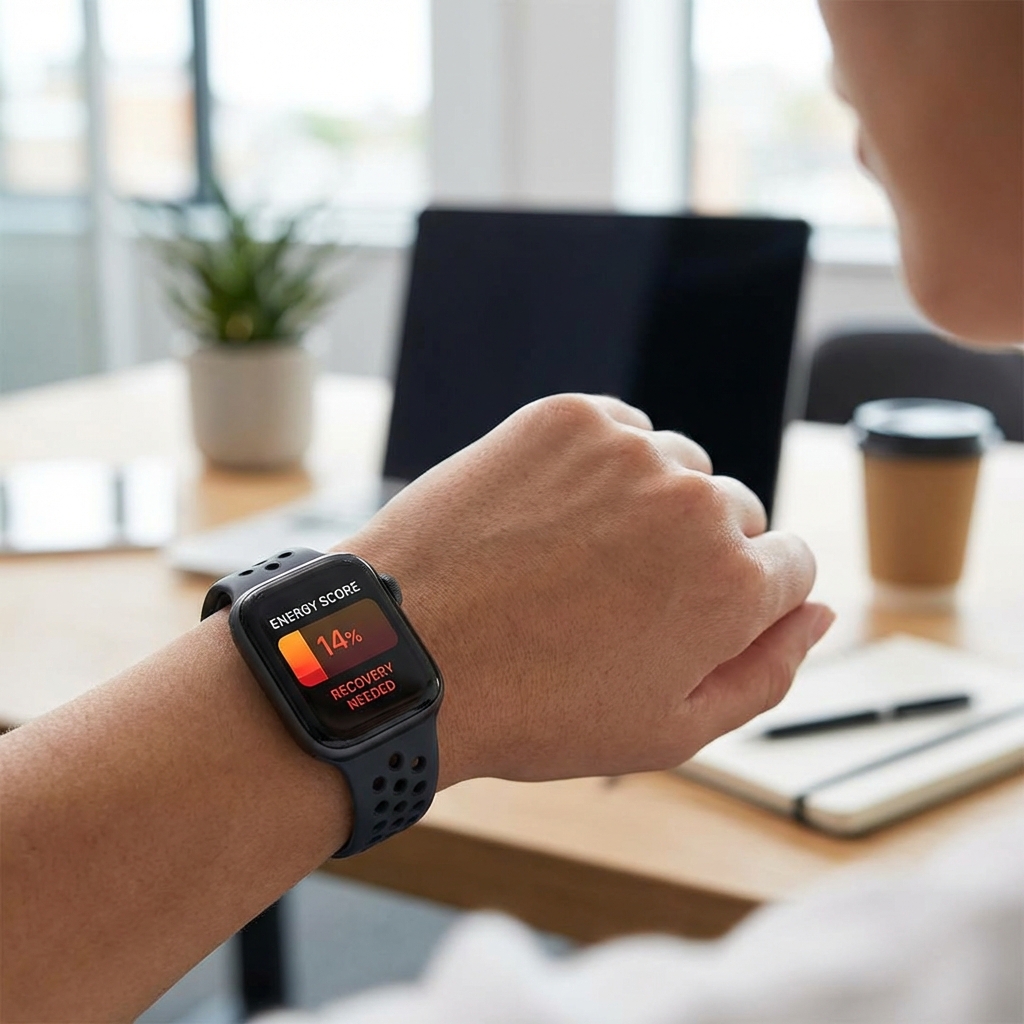
Is your phone shrinking your brain? Learn the science of smartphone effects on adult brain health, how screen time impacts child development, and how to protect your focus.
Written by: Health Focus Research Team Medically Reviewed by: Dr. Sarah Chen, MD, PhD – Board-Certified Neurologist & Integrative Medicine Specialist Last updated: February 28, 2026 | Reading time: 8 minutes
⚠️ Medical Disclaimer: This article is for educational purposes only. It does not constitute medical or mental health advice. If you experience severe or persistent symptoms, consult a qualified healthcare professional.
Quick—how many times have you picked up your phone today? If you're like the average American, the answer is about 144 times. If you're like the average British adult, it's about 88 times. Either way, that's roughly once every 7-10 minutes of your waking life.
Now here's a follow-up question: do you remember why you picked it up for most of those times? Probably not. Because most phone pickups aren't intentional—they're compulsive. A reflexive grab, like scratching an itch you didn't know you had.
And here's the part nobody wants to hear: this behavior isn't just wasting your time. According to a growing body of neuroscience research, excessive screen time and digital overload are physically altering brain structure—particularly in regions responsible for attention, emotional regulation, and memory.
Your phone isn't just distracting you. It's remodeling your brain.
The Brain Scans Don't Lie
In 2024, a comprehensive review of neuroimaging studies published in Addictive Behaviors examined brain scans from hundreds of individuals with high screen use and compared them to moderate users. The findings were consistent across multiple studies and brain imaging technologies.
People with heavy smartphone and social media use showed reduced grey matter volume in the prefrontal cortex—the region responsible for decision-making, impulse control, emotional regulation, and sustained attention. They also showed changes in the anterior cingulate cortex, which manages conflict processing and self-regulation, and alterations in the nucleus accumbens—the brain's reward center.
These structural changes mirror patterns seen in substance addiction. The researchers were careful not to equate phone use with drug addiction, but the neurological parallels are concerning enough to warrant serious attention. When looking at the scientific effects of long-term smartphone use on adult brain health, these physical alterations explain why so many people struggle to maintain focus.
The NIH-funded ABCD Study, tracking nearly 12,000 children across the United States, explored how excessive screen time affects child brain development. The researchers found that children spending more than two hours daily on screens showed premature thinning of the cortex—the brain's outermost layer responsible for critical thinking. This cortical thinning is normally associated with aging, not childhood development.
The Attention Collapse
If you feel like you can't focus the way you used to, you're right—and your phone is likely a major reason why. In fact, if you've ever asked yourself, "does excessive screen time cause brain fog in adults?" the answer is a resounding yes. Constant task-switching drains your cognitive battery, leading to that heavy, unfocused feeling.
A Microsoft-sponsored study found that the average human attention span dropped from 12 seconds in 2000 to 8 seconds in 2013—less than a goldfish. While the methodology of that specific study has been debated, the broader trend is well-documented: our sustained attention capacity is declining.
The mechanism is straightforward. Every notification, every social media refresh, every quick check of your phone trains your brain to expect constant novelty. Each new piece of information—a like, a text, a headline—triggers a small dopamine hit. Over time, your brain adapts by demanding more frequent novelty hits and becoming less capable of sustaining attention on single tasks.
Cal Newport, author of Deep Work, calls this "attention residue"—even after you put your phone down, part of your cognitive capacity remains attached to whatever you were just looking at. Studies show it takes an average of 23 minutes to fully regain focus after a single interruption. With 144 phone pickups per day, you're essentially never fully focused on anything.
The Dopamine Doom Loop
Social media platforms are engineered—intentionally, by design—to exploit the brain's dopamine system. Variable-ratio reinforcement (the same mechanism that makes slot machines addictive) keeps you scrolling because you never know when the next "reward" (an interesting post, a funny video, a like on your content) is coming.
This isn't a conspiracy theory. Former Facebook and Instagram executives have publicly stated that these products were designed to maximize engagement by exploiting psychological vulnerabilities. Aza Raskin, who invented infinite scroll, has said he regrets creating it.
The problem is that this constant low-level dopamine stimulation downregulates dopamine receptors over time. You need more stimulation to feel the same satisfaction. Activities that once felt rewarding—reading a book, having a conversation, sitting quietly—feel boring and empty because they can't compete with the hyper-stimulation your brain has adapted to.
This is why Dr. Anna Lembke, author of Dopamine Nation, describes smartphone use as a form of "compulsive self-stimulation"—we keep reaching for the phone not because it makes us happy, but because we're uncomfortable without it.
The Mental Health Tax
The mental health consequences of excessive digital consumption are now well-established, particularly among young people.
A 2025 meta-analysis published in JAMA Pediatrics found that social media use of more than three hours daily was associated with double the risk of depression and anxiety in teens and young adults. For girls and young women, the effects were even more pronounced—with social comparison, cyberbullying, and disrupted sleep patterns identified as primary mechanisms.
Adults aren't immune either. Research shows that heavy social media users report higher rates of loneliness—a counterintuitive finding given that social media ostensibly connects people. The explanation? Digital social interaction doesn't activate the same neural pathways as face-to-face connection. You can scroll through hundreds of posts from people you know and still feel profoundly alone.
Doomscrolling—compulsive consumption of negative news—triggers chronic stress responses. A University of Texas study found that people who consumed news for more than two hours daily had significantly elevated cortisol levels, even when they reported not feeling stressed. Your conscious mind might say "I'm just staying informed," but your nervous system is registering every crisis headline as a potential threat.
Sleep Destruction
The impact of screens on sleep extends beyond the commonly discussed blue light problem.
Yes, blue light from screens suppresses melatonin production, delaying sleep onset. But the psychological stimulation matters even more. Engaging content—arguments on Twitter, suspenseful shows, emotionally charged social media posts—activates the sympathetic nervous system, raising cortisol and adrenaline at the exact time your body needs to be winding down.
A 2025 study in Sleep Medicine Reviews found that using a phone in bed delayed sleep onset by an average of 45 minutes and reduced sleep quality—measured by time in deep sleep and REM—by 16%. The combination of delayed bedtime and reduced sleep quality produces significant cognitive impairment the following day.
The "just one more video" phenomenon is particularly insidious. TikTok and YouTube Shorts are designed in micro-doses that make it feel like you're "almost done"—but the algorithmic feed is literally infinite. People routinely report looking up from their phone to discover that an hour has passed when they intended to watch one video.
Building a Sustainable Digital Life
Complete digital abstinence isn't realistic for most people in 2026—we need our phones for work, communication, navigation, and legitimate utility. The goal isn't to abandon technology but to learn how to manage digital media use for better executive function and reclaim intentionality over how you use it.
Create phone-free zones. The bedroom and dining table are non-negotiable. Charging your phone outside the bedroom eliminates the primary source of sleep-disrupting screen use and removes the reflexive morning grab. Eating without screens improves both digestion and social connection.
Implement the 20-minute rule. When you feel the urge to check your phone, wait 20 minutes. Most compulsive urges fade within 15-20 minutes. This simple delay breaks the autopilot habit loop and forces you to ask: do I actually need this, or am I just bored?
Turn off all non-essential notifications. Every notification is an interruption, and every interruption costs 23 minutes of refocusing time. Keep notifications for calls, texts from close contacts, and urgent work communications. Turn off everything else—social media, news, apps, promotional emails. You'll be amazed at how much calmer you feel.
Batch your consumption. Instead of checking social media 50 times throughout the day, schedule two 15-minute blocks. Same total time, dramatically different effect on your attention and stress levels.
Use grayscale mode. Tech companies design apps with vibrant colors specifically because color triggers dopamine responses. Switching your phone to grayscale makes it significantly less compulsive without reducing functionality. It's the single simplest hack to reduce phone pickups.
Replace, don't just remove. The void left by phone time needs to be filled with something. Reading, walking, conversation, music, cooking, exercise—any absorbing activity that doesn't involve a screen. Digital detox fails when people just sit with the uncomfortable feeling of not having their phone and eventually give in.
Protecting Your Brain for the Long Haul
The most concerning aspect of this research isn't the immediate effects—it's the cumulative, decades-long impact on brain health. We're running the largest uncontrolled experiment in human neuroscience: what happens when an entire generation spends 6-8 hours daily on screens from childhood onward?
We don't fully know the answer yet. But every indicator points in a troubling direction—reduced grey matter, impaired attention, disrupted sleep, depleted dopamine, and declining mental health.
The good news? The brain is plastic. It adapts to whatever you repeatedly expose it to. If you reduce the digital noise and replace it with activities that build rather than deplete your cognitive resources—reading, meaningful conversation, exercise, nature, creative work—your brain will adapt in the other direction.
You don't need to smash your phone. You just need to be more deliberate about who's in charge—you or the algorithm.
Frequently Asked Questions
Does excessive screen time actually shrink your brain? While "shrink" is a dramatic term, brain scans do show that heavy smartphone use is associated with reduced grey matter volume in the prefrontal cortex. This physical change can impact your decision-making, emotional regulation, and focus over time.
How does excessive screen time affect child brain development? According to the NIH-funded ABCD Study, children who spend more than two hours a day on screens can experience premature thinning of the cortex. This area of the brain handles critical thinking, and its early thinning is typically a process associated with adult aging, not childhood.
Does excessive screen time cause brain fog in adults? Yes. Constantly switching between apps and checking notifications trains your brain to expect constant novelty and drains your cognitive energy. This "attention residue" makes it incredibly difficult to focus on single tasks, resulting in the heavy, cloudy feeling known as brain fog.
What are the scientific effects of long-term smartphone use on adult brain health? Long-term, heavy smartphone use has been linked to changes in the brain's reward center (the nucleus accumbens) and the anterior cingulate cortex. These structural alterations can lead to diminished attention spans, disrupted sleep patterns, lower executive function, and a higher risk of depression and anxiety.
References:
- He, Q., et al. (2024). Neuroimaging Evidence for Brain Structural Changes Associated with Smartphone Use. Addictive Behaviors.
- National Institutes of Health. (2025). ABCD Study: Screen Time and Brain Development.
- Newport, C. (2016). Deep Work: Rules for Focused Success in a Distracted World. Grand Central Publishing.
- Lembke, A. (2021). Dopamine Nation: Finding Balance in the Age of Indulgence. Dutton.
- Murthy, V. (2023). U.S. Surgeon General's Advisory: Social Media and Youth Mental Health.
- Boers, E., et al. (2019). Association of Screen Time and Depression in Adolescence. JAMA Pediatrics.
Medical Disclaimer: This article is for informational purposes only and does not constitute medical advice. Always consult a qualified healthcare provider.
Frequently Asked Questions
Does excessive screen time actually shrink your brain?
While "shrink" is a dramatic term, brain scans do show that heavy smartphone use is associated with reduced grey matter volume in the prefrontal cortex. This physical change can impact your decision-making, emotional regulation, and focus over time.
How does excessive screen time affect child brain development?
According to the NIH-funded ABCD Study, children who spend more than two hours a day on screens can experience premature thinning of the cortex. This area of the brain handles critical thinking, and its early thinning is typically a process associated with adult aging, not childhood.
Does excessive screen time cause brain fog in adults?
Yes. Constantly switching between apps and checking notifications trains your brain to expect constant novelty and drains your cognitive energy. This "attention residue" makes it incredibly difficult to focus on single tasks, resulting in the heavy, cloudy feeling known as brain fog.
What are the scientific effects of long-term smartphone use on adult brain health?
Long-term, heavy smartphone use has been linked to changes in the brain's reward center (the nucleus accumbens) and the anterior cingulate cortex. These structural alterations can lead to diminished attention spans, disrupted sleep patterns, lower executive function, and a higher risk of depression and anxiety.