Your Anxiety Might Start in Your Gut, Not Your Brain
Health Focus Team
Published
Can poor gut health cause anxiety? Yes — your gut produces 90% of your serotonin. Learn how gut health and anxiety are linked and how to improve your microbiome.
Written by: Health Focus Research Team Medically Reviewed by: Dr. Priya Sharma, MBBS, MD – Board-Certified Endocrinologist & Integrative Medicine Specialist Last updated: February 28, 2026 | Reading time: 9 minutes
⚠️ Medical Disclaimer: This article is for educational purposes only and is not a substitute for professional medical advice, diagnosis, or treatment. If you are experiencing severe anxiety or mood disorders, please consult a licensed mental health professional or physician.
You've tried therapy. You've tried meditation apps. You've tried deep breathing exercises, journaling, and that weighted blanket your friend swears by. Your anxiety is better sometimes, worse others, but it never fully goes away. It sits in your stomach—literally. That churning, twisting, nauseous feeling that shows up before big meetings, during stressful conversations, or sometimes for no apparent reason at all.
What if that feeling in your stomach isn't a metaphor? What if your gut is trying to tell you something that your brain can't quite explain?
In 2026, the gut-brain connection has moved from the fringes of alternative medicine into the center of mainstream research—and the findings are reshaping how we understand mental health.
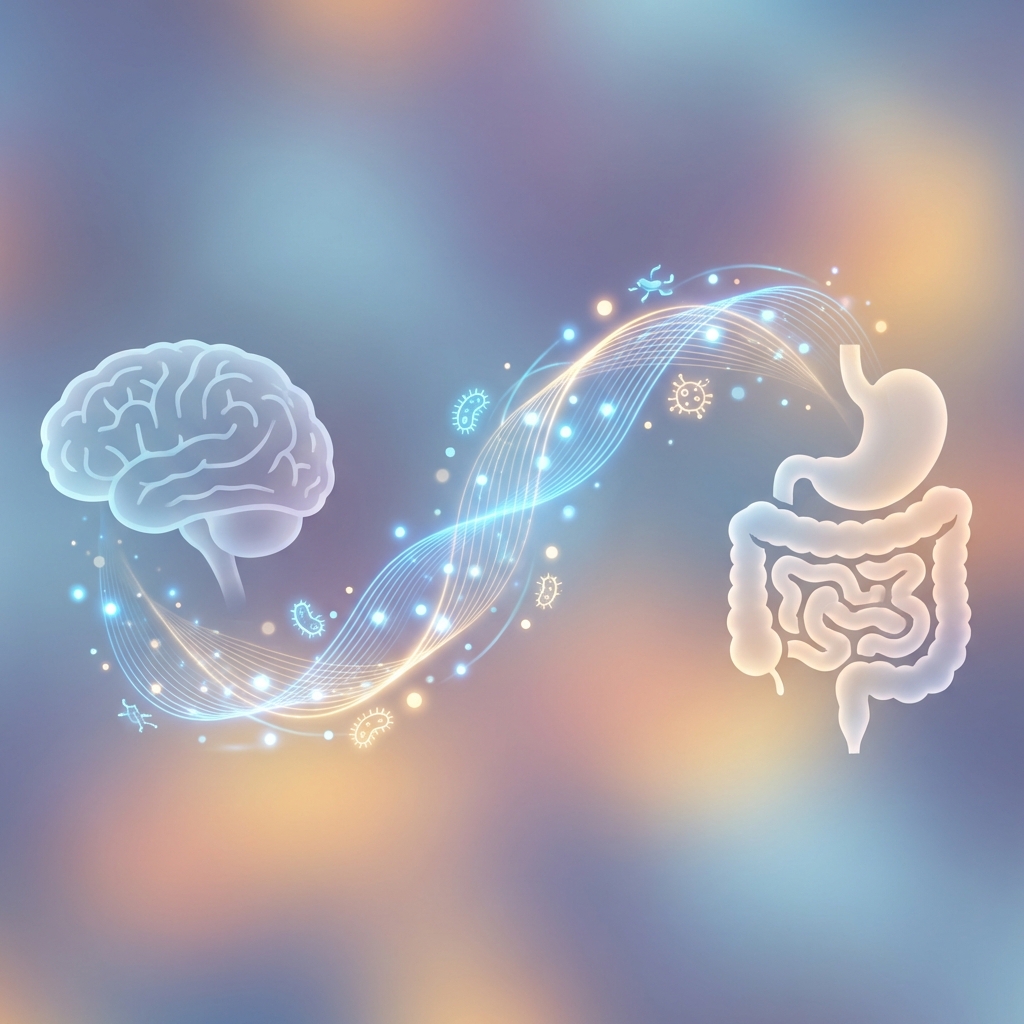
The Gut-Brain Axis: Why Your Gut Is Called the "Second Brain"
Your gut contains roughly 500 million neurons—more than your spinal cord and more than any other organ outside the central nervous system. This network, called the enteric nervous system, is so extensive and capable that scientists have nicknamed it the "second brain."
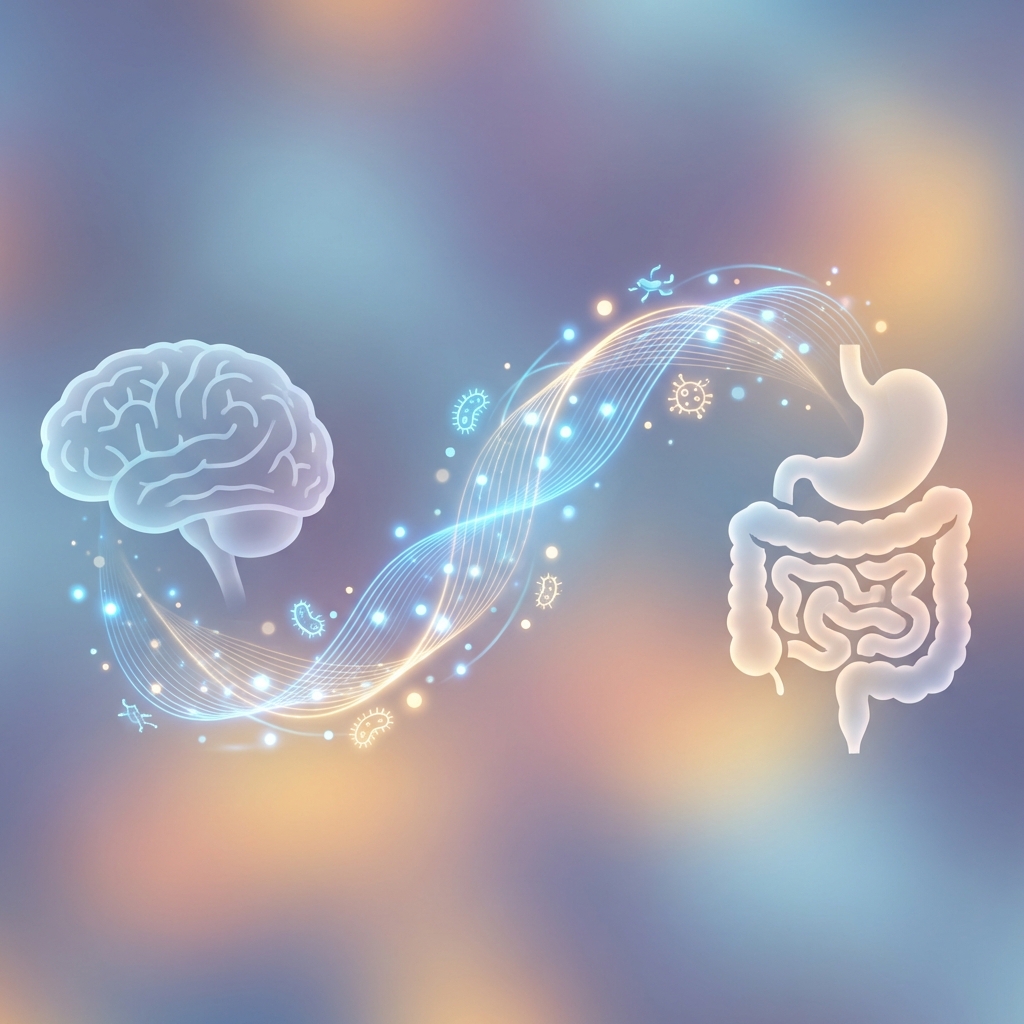
If you have ever wondered, "how do the gut and brain communicate?", the answer lies in the gut-brain axis. But here's what makes this truly remarkable: your gut doesn't just receive instructions from your brain. It sends information back. In fact, roughly 90% of the signals traveling along the vagus nerve—the superhighway connecting your gut and brain—go from gut to brain, not the other way around.
Your gut is telling your brain how to feel far more than your brain is telling your gut what to do.
The Serotonin Surprise
When people think about serotonin—the "happy chemical" targeted by most antidepressant medications—they picture the brain. But approximately 90-95% of the body's serotonin is produced in the gut, not the brain.
Read that again. The molecule most associated with mood, happiness, and emotional regulation is overwhelmingly manufactured in your digestive system.
This serotonin doesn't just sit there. Gut-produced serotonin influences gut motility (how food moves through your digestive system), immune function, bone density, and—critically—sends signals to the brain via the vagus nerve that directly influence mood and anxiety levels.
When your gut microbiome is disrupted—through poor diet, antibiotics, stress, or illness—serotonin production can be significantly affected. This helps explain why digestive problems so frequently co-occur with anxiety and depression, and why antidepressants that target serotonin often cause gastrointestinal side effects.
Can Poor Gut Health Cause Anxiety?
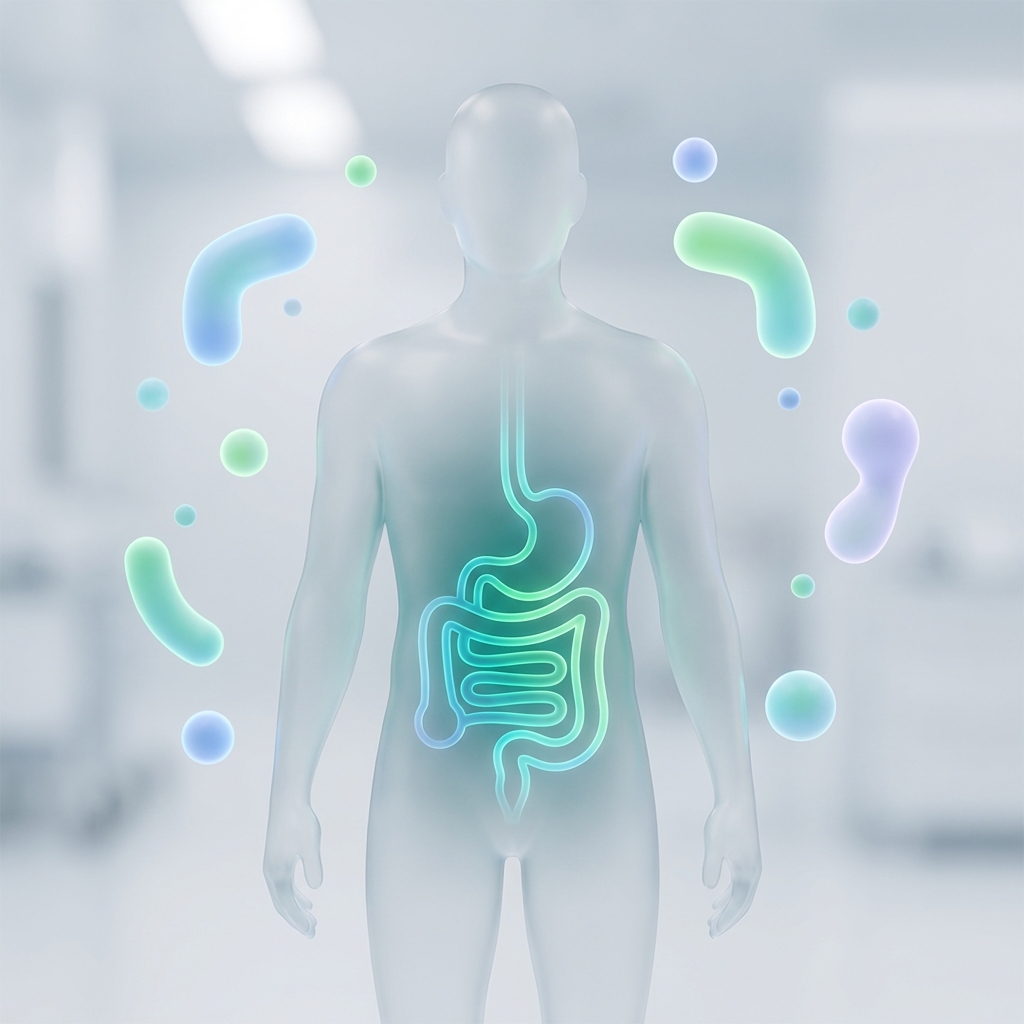
If you are asking yourself, "can poor gut health cause anxiety?", the short answer is yes. Your gut houses trillions of microorganisms—bacteria, fungi, viruses—that collectively form your gut microbiome. This ecosystem weighs roughly 2-3 pounds and contains more genetic material than all the human cells in your body combined.
Gut dysbiosis and anxiety often go hand-in-hand. Research over the past five years has revealed that specific compositions of gut bacteria are associated with specific mental health outcomes.
A landmark 2024 study published in Nature Microbiology analyzed the gut microbiomes of over 10,000 people and found that individuals with depression and anxiety had significantly different microbial compositions compared to mentally healthy controls. Specific bacterial species that produce short-chain fatty acids (SCFAs)—particularly butyrate—were consistently depleted in people with anxiety disorders.
Why does this matter? SCFAs maintain the integrity of the intestinal lining, reduce inflammation, and produce neurotransmitters that directly influence brain function. When SCFA-producing bacteria are depleted, the gut lining becomes more permeable ("leaky gut"), allowing inflammatory molecules to enter the bloodstream and reach the brain.
This low-grade neuroinflammation is now considered a significant contributor to anxiety, depression, and other mood disorders. It's not just "in your head"—it's in your gut, your blood, and the inflammatory signals reaching your brain.
The Stress-Gut Cycle
Here's where it gets frustrating: stress damages the gut, and a damaged gut increases stress and anxiety. It's a vicious cycle that can be extremely difficult to break.
When you're stressed, cortisol reduces blood flow to the digestive system, slows gut motility, weakens the intestinal lining, and alters the composition of the microbiome—reducing beneficial bacteria and allowing harmful species to flourish.
The compromised gut then sends alarm signals to the brain via the vagus nerve, increasing anxiety and stress. This triggers more cortisol, which further damages the gut. Round and round it goes.
This cycle helps explain why anxious people so frequently develop digestive problems (IBS, acid reflux, bloating) and why people with chronic digestive issues disproportionately suffer from anxiety and depression. It's not coincidence or psychosomatic—it's a biological loop with mechanisms we can now identify and measure.
What the Research Says About Treatment
The most exciting development in gut-brain research is the growing evidence that treating the gut can improve mental health outcomes.
Dietary changes show rapid effects. A 2025 randomized controlled trial published in The American Journal of Clinical Nutrition found that switching to a Mediterranean-style diet rich in fiber, fermented foods, and omega-3 fatty acids reduced anxiety symptoms by 33% within six weeks. The improvements correlated directly with positive changes in microbiome composition and reduced inflammatory markers.
Specific probiotic strains show promise. Not all probiotics are created equal for mental health. Research has identified specific strains—now called "psychobiotics"—that directly influence mood and anxiety. Lactobacillus rhamnosus, Bifidobacterium longum, and Lactobacillus helveticus have shown the most consistent anxiolytic effects in clinical trials.
A 2024 meta-analysis of 34 clinical trials found that psychobiotic supplementation reduced anxiety symptoms by a moderate but significant amount, with effects comparable to low-dose anxiolytic medications—without the side effects or dependency risk.
Fiber is underrated. The single most impactful dietary change for gut microbiome health is increasing fiber intake. The average American consumes about 15 grams of fiber daily—roughly half the recommended amount. Fiber feeds beneficial gut bacteria, stimulates SCFA production, and improves microbial diversity. The UK fares only slightly better at around 18 grams daily.
Aiming for 30+ grams of fiber daily from diverse plant sources provides the raw material your gut ecosystem needs to function optimally. Every gram of additional fiber produces measurable changes in microbiome composition within days.
The 30-Plant Challenge
One of the most practical and evidence-based approaches to improving gut-brain health is the "30 plants per week" challenge, popularized by research from the American Gut Project.
The study found that people who ate 30 or more different plant types per week had significantly more diverse microbiomes than those eating 10 or fewer—and microbiome diversity is consistently associated with better mental health outcomes.
This sounds daunting until you realize that "plants" includes fruits, vegetables, whole grains, legumes, nuts, seeds, herbs, and spices. That sprinkle of cinnamon on your oatmeal counts. Those three different vegetables in your stir-fry count as three. The crushed peanuts on top bring you to four.
When you start counting, reaching 30 different plants per week becomes surprisingly achievable—and the gut microbiome responds rapidly to increased dietary diversity.
How to Improve Your Gut Microbiome for Mental Health
Focus on the best diet for gut health and anxiety. The most robust evidence supports dietary changes over supplementation. Increase fiber gradually (too fast causes bloating), eat prebiotic-rich and probiotic foods for anxiety (like yogurt, kefir, sauerkraut, and kimchi), reduce ultra-processed food, and aim for diverse plant intake.
Reduce gut-damaging habits. Unnecessary antibiotics, excessive alcohol, chronic NSAID use (ibuprofen, aspirin), and artificial sweeteners all negatively impact the microbiome. Minimize what you can without affecting necessary medical treatment.
Manage stress through the body. Since stress directly damages the gut, stress reduction is a gut health strategy. The techniques that stimulate the vagus nerve—deep breathing, cold exposure, humming—simultaneously support both nervous system regulation and gut function.
Consider targeted probiotics. If dietary changes alone aren't sufficient, specific probiotic strains with clinical evidence for anxiety may help. Look for products containing the specific strains mentioned above, in clinically studied dosages. Generic "gut health" probiotics may not have the same mental health benefits.
Get evaluated for IBS or SIBO. If you have persistent digestive symptoms alongside anxiety, underlying conditions like irritable bowel syndrome (IBS) or small intestinal bacterial overgrowth (SIBO) may need direct treatment. These conditions maintain the gut-brain inflammatory cycle and can't be resolved through diet alone.
Give it time. The gut microbiome takes weeks to months to meaningfully shift in response to dietary changes. This isn't a quick fix—it's a sustained lifestyle adjustment. But the research consistently shows that improvements in gut health are followed, often within 4-8 weeks, by improvements in mood and anxiety.
The Future of Gut-Brain Therapy
Researchers are already developing microbiome-based therapies that may eventually replace or complement psychiatric medications for anxiety and depression. Fecal microbiome transplants (FMT) have shown dramatic mental health improvements in preliminary trials. Precision probiotics tailored to individual microbiome profiles are in development.
But you don't need to wait for future therapies. The evidence clearly shows that feeding your gut well feeds your brain well. That anxious feeling in your stomach might be coming from your stomach—and the path to feeling better might begin with what you put on your plate.
Frequently Asked Questions
What is the gut-brain axis and how does it affect anxiety? The gut-brain axis is the two-way communication network between your central nervous system and your enteric nervous system (your gut). When your gut is inflamed or unbalanced (a state called gut dysbiosis), it sends stress signals up the vagus nerve to your brain, which can trigger or worsen anxiety.
What are the signs of poor gut health affecting mental health? Physical symptoms of poor gut health include bloating, gas, acid reflux, constipation, or diarrhea. If you notice these digestive issues flaring up alongside mood swings, brain fog, or random spikes in anxiety, your gut microbiome may be playing a role in your mental health.
What foods should I avoid to reduce gut-related anxiety? To protect your gut-brain axis, try to limit highly processed foods, refined sugars, artificial sweeteners, and excessive alcohol. These items can damage your intestinal lining and reduce the good bacteria that produce calming neurotransmitters like serotonin.
Can probiotics help with anxiety? Yes, certain strains of probiotics—often referred to as "psychobiotics"—have been shown in clinical trials to help lower anxiety and improve mood. Strains like Lactobacillus rhamnosus and Bifidobacterium longum are particularly promising, though they work best alongside a high-fiber, diverse diet.
References:
- Cryan, J.F., & Dinan, T.G. (2012). Mind-altering microorganisms: the impact of the gut microbiota on brain and behaviour. Nature Reviews Neuroscience.
- Nikolova, V.L., et al. (2021). Gut feeling: randomized controlled trials of probiotics for the treatment of clinical depression. Psychological Medicine.
- Liu, R.T., et al. (2024). Microbiome Signatures of Mental Health. Nature Microbiology.
- McDonald, D., et al. (2018). American Gut: An Open Platform for Citizen Science Microbiome Research. mSystems.
- Jacka, F.N., et al. (2017). A randomised controlled trial of dietary improvement for adults with major depression (the SMILES trial). BMC Medicine.
- Yano, J.M., et al. (2015). Indigenous Bacteria from the Gut Microbiota Regulate Host Serotonin Biosynthesis. Cell.
Medical Disclaimer: This article is for informational purposes only and does not constitute medical advice. Always consult a qualified healthcare provider.
Frequently Asked Questions
What is the gut-brain axis and how does it affect anxiety?
The gut-brain axis is the two-way communication network between your central nervous system and your enteric nervous system (your gut). When your gut is inflamed or unbalanced (a state called gut dysbiosis), it sends stress signals up the vagus nerve to your brain, which can trigger or worsen anxiety.
What are the signs of poor gut health affecting mental health?
Physical symptoms of poor gut health include bloating, gas, acid reflux, constipation, or diarrhea. If you notice these digestive issues flaring up alongside mood swings, brain fog, or random spikes in anxiety, your gut microbiome may be playing a role in your mental health.
What foods should I avoid to reduce gut-related anxiety?
To protect your gut-brain axis, try to limit highly processed foods, refined sugars, artificial sweeteners, and excessive alcohol. These items can damage your intestinal lining and reduce the good bacteria that produce calming neurotransmitters like serotonin.
Can probiotics help with anxiety?
Yes, certain strains of probiotics—often referred to as "psychobiotics"—have been shown in clinical trials to help lower anxiety and improve mood. Strains like