Gut Health Made Simple: Why Your Digestive System Controls Your Whole Body
Health Focus Team
Published
Wondering how to improve gut health naturally? Your gut influences immunity, mood, and metabolism. Learn the best foods for gut health, signs of an unhealthy gut, and how to support your digestive system.
Written by: Health Focus Research Team Medically Reviewed by: Dr. Priya Sharma, MBBS, MD – Board-Certified Endocrinologist & Obesity Medicine Specialist Last updated: February 28, 2026 | Reading time: 8 minutes
⚠️ Medical Disclaimer: This article is for informational purposes only. If you have metabolic conditions including diabetes, prediabetes, or insulin resistance, always consult your endocrinologist or physician before making dietary changes.
Your gut does much more than digest food. It is the command center of your immune system, a key regulator of your emotional state, and the gatekeeper for nearly every nutrient that powers your body. Modern research now links poor gut health to obesity, clinical depression, autoimmune disease, chronic skin conditions, and accelerated aging.
Yet gut health is one of the most misunderstood and overcomplicated topics in modern wellness. The supplement industry will sell you a thirty-day "gut reset" protocol for $120. But the science tells a simpler, and more actionable, story.
What Is the Gut Microbiome?
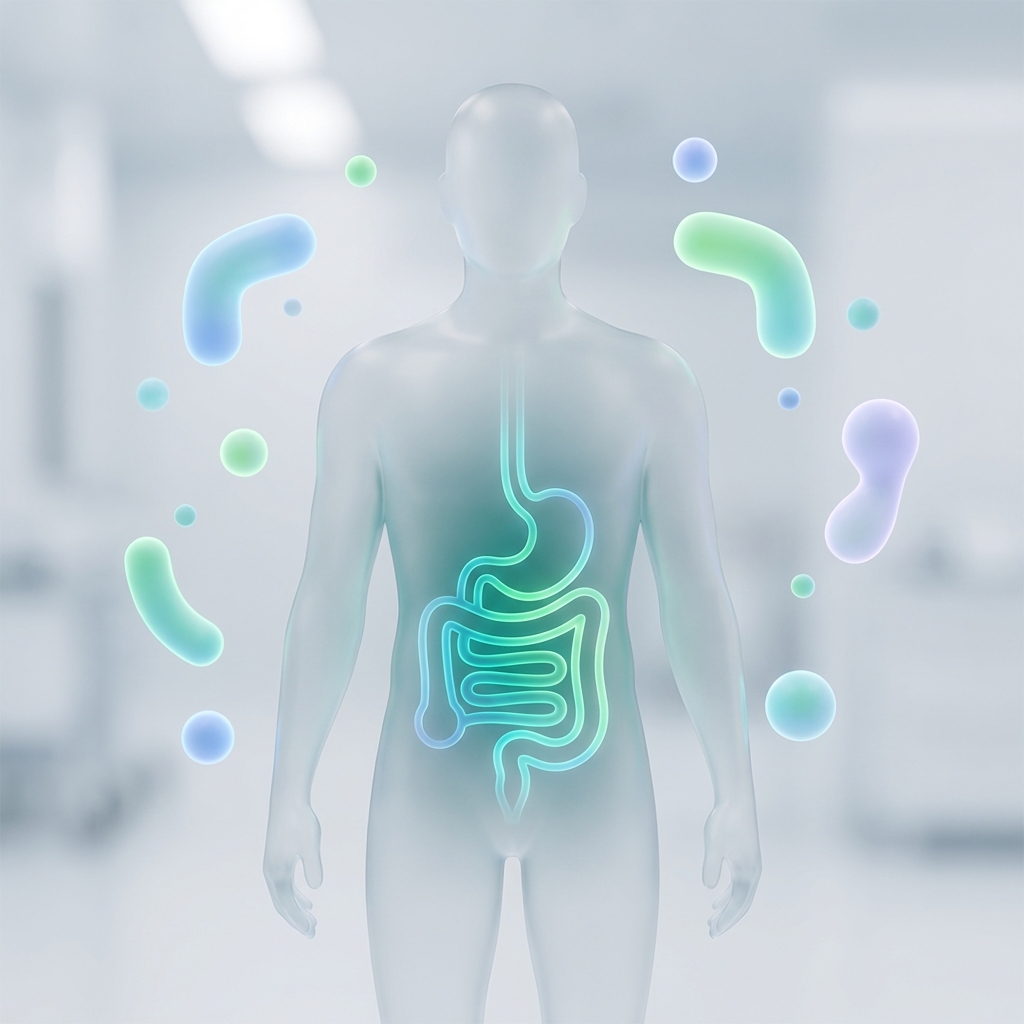
The gut microbiome is the vast, complex ecosystem of trillions of microorganisms—bacteria, viruses, fungi, and archaea—that inhabit your gastrointestinal tract, primarily your large intestine.
Scientists estimate that you carry between 38 and 100 trillion microbial cells in your body, roughly the same number as your own human cells. This means you are, in a very real biological sense, as much microbial as you are human.
A healthy microbiome is characterized by three things:
- Diversity: A wide variety of different bacterial species. Diversity is the single most important marker of gut health, and it is almost universally damaged by the modern Western diet.
- Balance: The ratio of "beneficial" bacteria to pathogenic bacteria is maintained. Disrupting this balance through antibiotics, processed foods, or chronic stress leads to a state called dysbiosis.
- Resilience: The ability of the ecosystem to rapidly recover after a disruption (like a course of antibiotics).
Why Should You Actually Care?
Because your gut is directly involved in almost every system in your body that determines your quality of life.
Immunity: Approximately 70% to 80% of your immune system physically resides in your gut, in a dense network of lymphoid tissue called GALT (Gut-Associated Lymphoid Tissue). The bacteria in your gut are constantly training your immune cells—teaching them the difference between harmless food proteins and genuinely dangerous pathogens. When the microbiome is disrupted, this training fails, leading to allergies, autoimmune conditions, and chronic systemic inflammation.
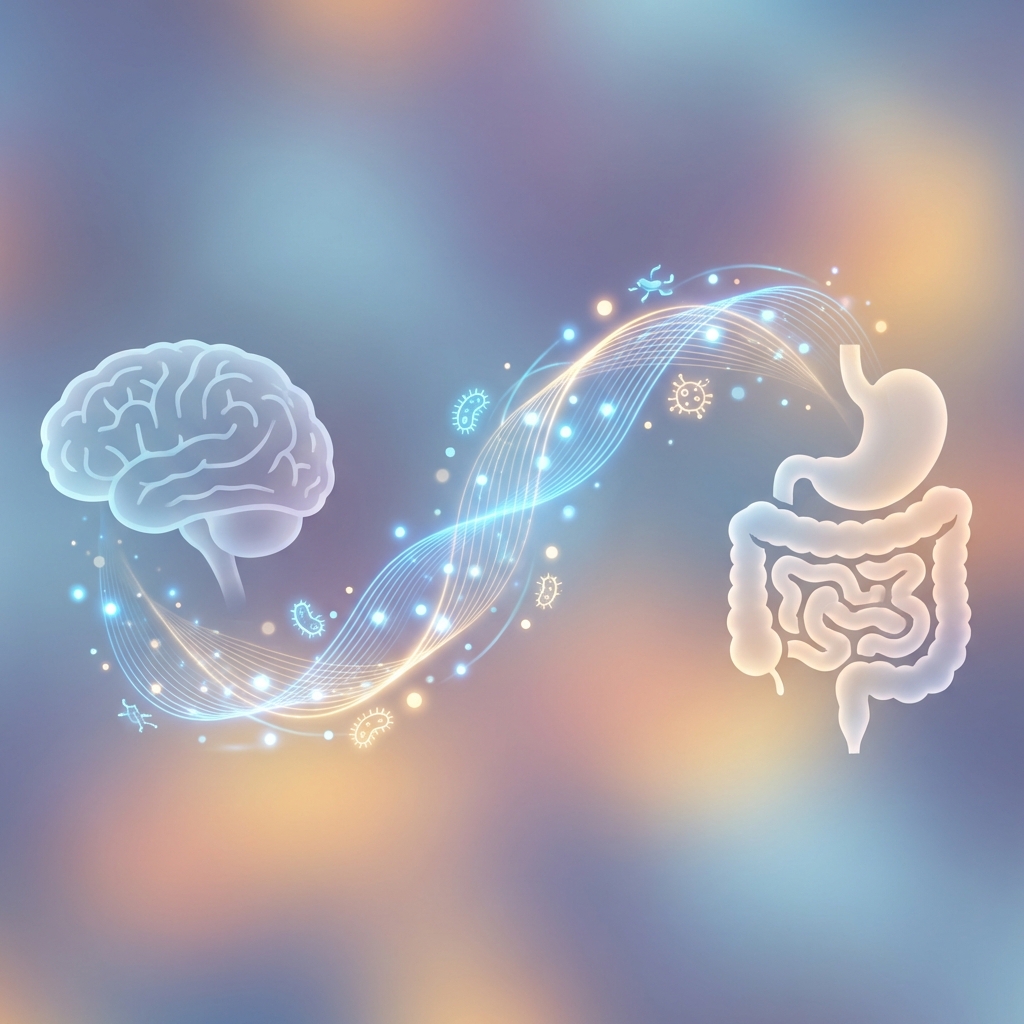
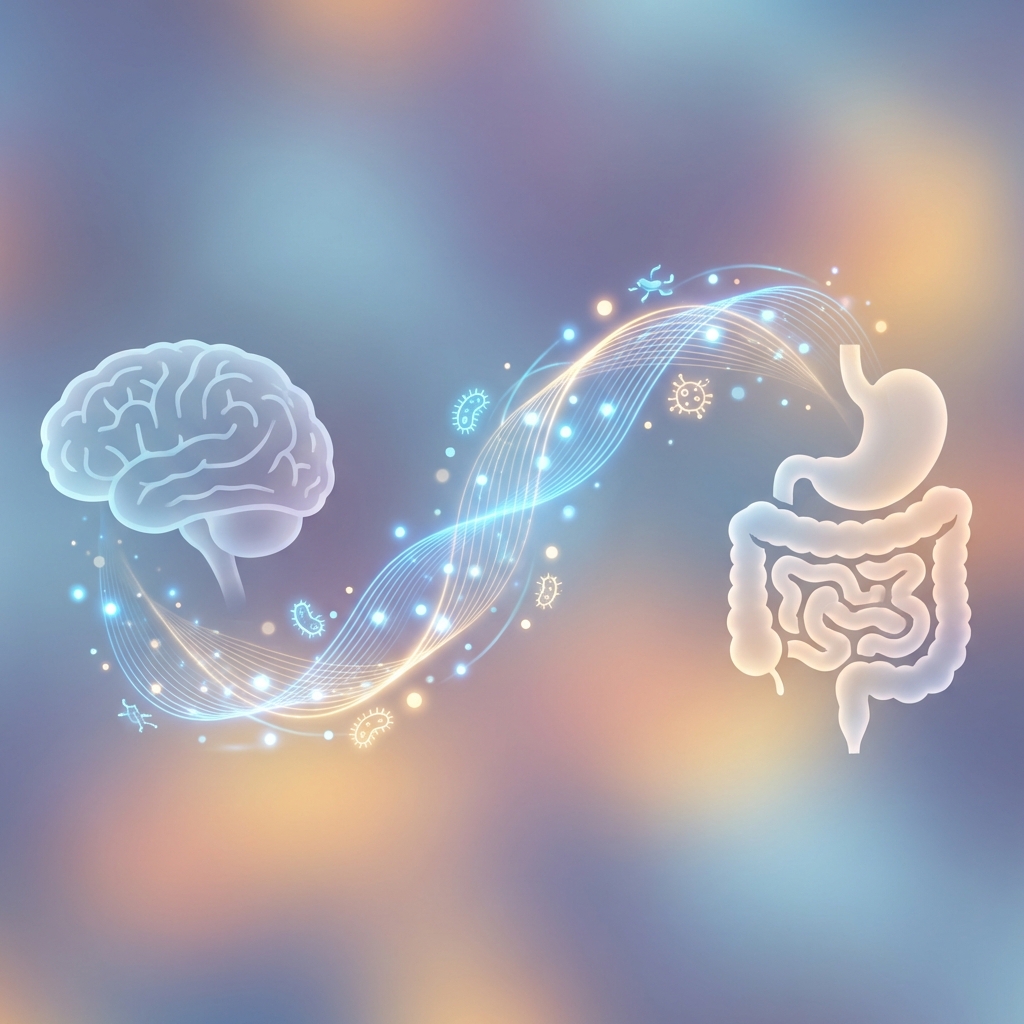
Mental Health and the Gut-Brain Axis: Your gut is lined with over 100 million neurons—more than your entire spinal cord. This is why it's called your "second brain." The gut and brain communicate bidirectionally in real time through the vagus nerve, the immune system, and dozens of shared hormones. Crucially, 95% of the body's serotonin is produced in the gut, not the brain. If your microbiome is in crisis, so is your serotonin. This is a major biological mechanism driving the link between gut dysbiosis and clinical depression and anxiety.
Weight and Metabolism: Specific strains of gut bacteria dictate how efficiently you extract calories from food, how your body stores fat, and how sensitively your cells respond to insulin. People with a less diverse gut microbiome consistently extract more calories from the same amount of food compared to those with diverse microbiomes. They also display greater insulin resistance, driving fat storage, particularly in the visceral belly region.
Signs of an Unhealthy Gut (And Why It Needs Attention)
When people ask why is gut health important, they often overlook how deeply it connects to the rest of the body. Gut problems don't always announce themselves as stomach pain. Many of the most significant indicators are "silent."
If you're wondering what the signs of an unhealthy gut look like, watch for these common warning signs:
- Persistent bloating, especially after eating relatively normal meals
- Irregular bowel movements (chronic constipation, loose stools, or alternating between both)
- Increasing food sensitivities that weren't present a few years ago
- Unexplained brain fog, especially after eating
- Frequent colds and infections (low immunity)
- Chronic skin breakouts, eczema, or rosacea
- Low mood, mild depression, or persistent anxiety without a clear psychological trigger
- Extreme energy crashes 1-2 hours after eating
If you recognize 3 or more of these symptoms simultaneously, your microbiome is almost certainly crying out for attention.
What Destroys Gut Health (The Modern Lifestyle Problem)
Your microbiome did not evolve for the modern world. It evolved over hundreds of thousands of years eating wildly diverse, whole, unprocessed foods. The mismatch between our ancestral biology and modern diet is enormous.
Primary gut disruptors include:
- Antibiotics: Absolutely necessary and life-saving, but aggressively non-selective. They kill pathogenic bacteria and beneficial bacteria alike, often causing dysbiosis that can persist for months to years if not actively rehabilitated.
- Ultra-Processed Foods: The combination of refined carbohydrates, artificial emulsifiers (like carboxymethylcellulose and polysorbate-80), and industrialized seed oils actively damages the mucus layer lining your gut wall and eliminates fiber-fermenting beneficial bacteria.
- Chronic Psychological Stress: High cortisol directly alters the composition of your gut microbiome within days, reducing the abundance of Lactobacillus and Bifidobacterium strains. This is one reason the gut-brain axis runs in both directions—stress wrecks the gut, and a wrecked gut generates more anxiety.
- Lack of Dietary Fiber: Beneficial gut bacteria do not eat the protein and fat that you eat—they eat the fiber that reaches your large intestine. A diet poor in plant diversity starves your microbiome into extinction.
- Poor Sleep: Gut bacteria operate on their own circadian rhythm. Disrupting a regular sleep cycle disrupts bacterial timing, reducing the production of beneficial short-chain fatty acids.
The Best Foods for Gut Health (How to Improve Gut Health Naturally)
If you are looking for how to improve gut health naturally, diet is your most powerful tool. The best foods for gut health help cultivate a thriving, diverse microbiome.
1. Fiber-Rich Foods (The Foundation) This is the single most powerful dietary intervention for the microbiome. Vegetables, fruits, legumes, and whole grains are digested by your gut bacteria into short-chain fatty acids (SCFAs) like butyrate. Butyrate is the primary fuel source for the cells lining your colon and is a profound anti-inflammatory. Target at least 30 different plant varieties per week.
2. Fermented Foods (The Natural Probiotics) Live-culture fermented foods introduce actual beneficial bacterial strains directly into your gut. Prioritize:
- Plain, full-fat Greek yogurt or kefir (high in Lactobacillus)
- Kimchi and sauerkraut (naturally fermented, not vinegar-pickled)
- Miso and tempeh
A landmark 2021 study from Stanford directly compared a high-fiber diet against a high-fermented food diet. The high-fermented food group showed greater increases in microbiome diversity and greater reductions in systemic inflammation.
3. Polyphenol-Rich Foods (The Prebiotic Powerhouses) Polyphenols are plant compounds found in berries, dark chocolate, extra virgin olive oil, and green tea. They are not just antioxidants—they actively feed specific strains of beneficial gut bacteria, particularly Akkermansia muciniphila, which is strongly linked to healthy weight and metabolic function.
Probiotics vs. Prebiotics: Which Actually Matters More?
There is significant confusion around this distinction.
- Probiotics introduce living bacterial strains from the outside. Their value is high in specific clinical contexts (post-antibiotic recovery, specific IBS strains), but most generic probiotic supplements on the market are poorly formulated and fail to colonize the gut.
- Prebiotics are the specific types of fiber that your existing gut bacteria ferment and feed on. Without prebiotics, probiotics have nothing to eat and die quickly.
The research is clear: Prebiotics are more impactful for most healthy adults. A diverse, heavily plant-based diet is the most powerful prebiotics protocol on earth.
Healing the Gut Takes Consistent Time
Here is the most important expectation-setting statement in this article: You cannot heal a decade of dietary damage in two weeks. The microbiome is a living ecosystem. Rehabilitation takes sustained, consistent effort over months.
Small, consistent habits matter enormously:
- Eating slowly and chewing thoroughly (the first stage of digestion starts in the mouth)
- Staying well-hydrated (the colon depends on water to move waste through)
- Managing psychological stress (chronically elevated cortisol actively destroys beneficial bacteria)
- Sleeping 7-9 hours consistently on a regular schedule (gut bacteria have their own circadian clock)
Final Thoughts
When your gut is healthy, you feel it in every dimension of your life—your energy stabilizes, your mood lifts, your immune system strengthens, your skin clears, and your thinking sharpens. A healthy gut is not a nice-to-have wellness perk. It is the biological foundation of nearly everything that determines how well, and how long, you live.
Frequently Asked Questions
What are the signs of an unhealthy gut? Frequent digestive issues like bloating, gas, chronic constipation, or heartburn are major red flags. Beyond the stomach, an unhealthy gut can show up as unexplained fatigue, skin breakouts like eczema, new food intolerances, and frequent colds.
Do I need to take probiotic supplements to improve my gut health? For most healthy adults, generic probiotic supplements aren't strictly necessary. You're usually better off getting your probiotics from whole, fermented foods like kefir, kimchi, and yogurt. If you're recovering from antibiotics or managing a specific condition like IBS, consult a gastroenterologist or dietitian for targeted strains.
How does stress affect my digestion? Because of the strong gut-brain connection, chronic stress physically alters your digestive tract. High stress levels can reduce blood flow to your stomach, slow down digestion, and shift the balance of your microbiome, which can trigger or worsen conditions like irritable bowel syndrome (IBS).
Why is gut health important? Your gut microbiome plays a critical role in digestion, nutrient absorption, and immune system regulation. It also strongly influences your inflammation levels and mental well-being, proving that a balanced digestive system is the foundation for whole-body health.
References:
- Cell (2021). Gut-microbiota-targeted diets modulate human immune status. (Sonnenburg & Gardner Lab, Stanford)
- Nature (2024). Diet-induced perturbations of the gut microbiome in metabolic disease.
- Neurogastroenterology & Motility. The gut-brain axis: interactions between enteric microbiota, central and enteric nervous systems.
Medical Disclaimer: This article is for informational purposes only and does not constitute medical advice. Always consult a qualified healthcare provider.
Frequently Asked Questions
What are the signs of an unhealthy gut?
Frequent digestive issues like bloating, gas, chronic constipation, or heartburn are major red flags. Beyond the stomach, an unhealthy gut can show up as unexplained fatigue, skin breakouts like eczema, new food intolerances, and frequent colds.
Do I need to take probiotic supplements to improve my gut health?
For most healthy adults, generic probiotic supplements aren't strictly necessary. You're usually better off getting your probiotics from whole, fermented foods like kefir, kimchi, and yogurt. If you're recovering from antibiotics or managing a specific condition like IBS, consult a gastroenterologist or dietitian for targeted strains.
How does stress affect my digestion?
Because of the strong gut-brain connection, chronic stress physically alters your digestive tract. High stress levels can reduce blood flow to your stomach, slow down digestion, and shift the balance of your microbiome, which can trigger or worsen conditions like irritable bowel syndrome (IBS).
Why is gut health important?
Your gut microbiome plays a critical role in digestion, nutrient absorption, and immune system regulation. It also strongly influences your inflammation levels and mental well-being, proving that a balanced digestive system is the foundation for whole-body health.