GLP-1 Drugs Are Changing Everything—Not Just Your Waistline
Health Focus Team
Published
How do GLP-1 medications work for weight loss? Learn the difference between Ozempic vs. Mounjaro, their benefits, side effects, and what the GLP-1 revolution means for you.
Written by: Health Focus Research Team
Medically Reviewed by: Dr. Priya Sharma, MBBS, MD – Board-Certified Endocrinologist & Lifestyle Medicine Specialist (12+ years experience)
Last updated: February 28, 2026 | Reading time: 8 minutes
By now, you've heard about Ozempic. Maybe you've heard the whispers at dinner parties—who's on it, who's lost weight, who knows someone who lost 50 pounds seemingly overnight. Maybe you've seen the celebrity transformations. Maybe you've considered it yourself but felt conflicted about whether it's "cheating."
But here's what most people don't realize: the GLP-1 revolution is about far more than fitting into smaller jeans. These drugs are emerging as potentially the most significant pharmaceutical development of this generation—with applications that extend to heart disease, kidney failure, addiction, Alzheimer's, and conditions nobody expected.
And the debate around them is getting louder, more complicated, and more important than ever.
What GLP-1 Drugs Actually Are
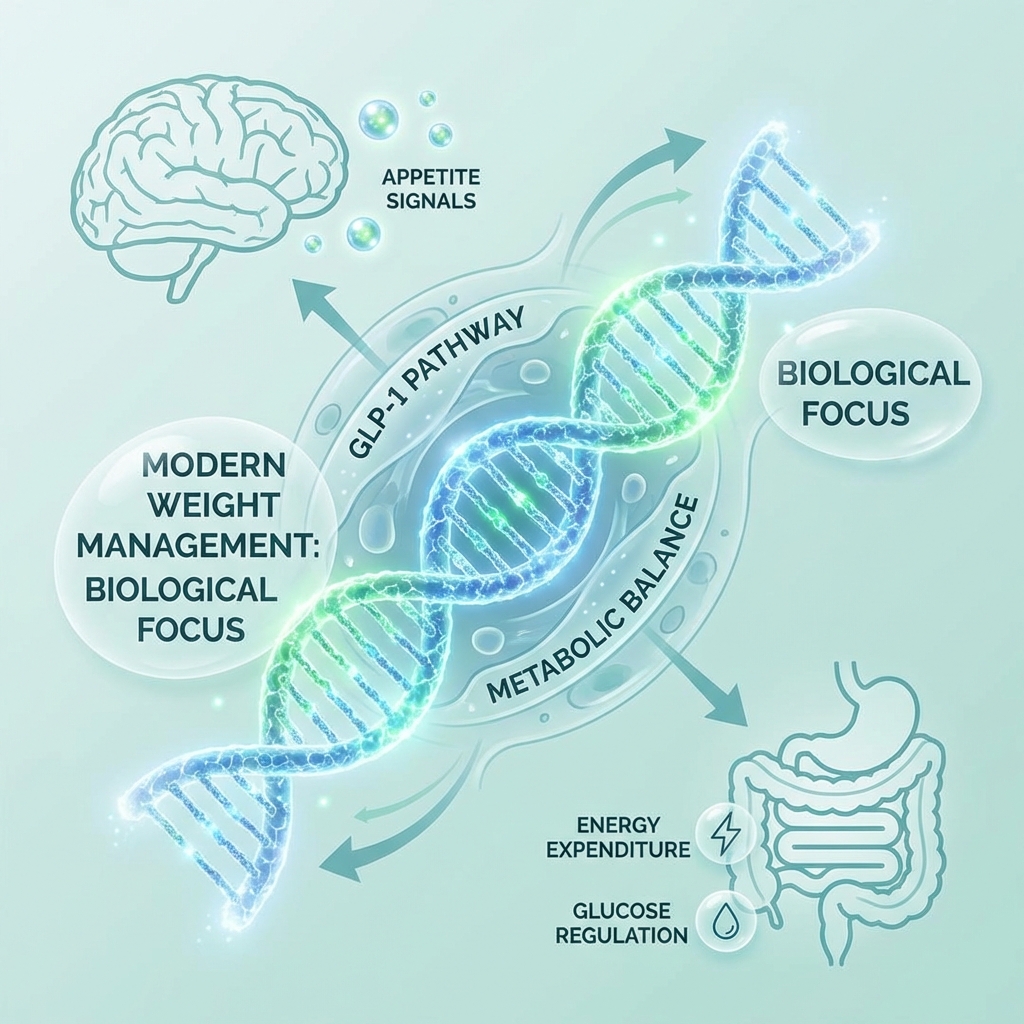
GLP-1 stands for glucagon-like peptide-1, a hormone your body naturally produces in response to eating. It signals your brain that you're full, slows stomach emptying, and stimulates insulin release to manage blood sugar. GLP-1 receptor agonists—the class of drugs that includes semaglutide (Ozempic, Wegovy), tirzepatide (Mounjaro, Zepbound), and newer compounds—mimic this hormone at much higher levels than your body produces naturally.
The result? Dramatically reduced appetite, significant weight loss, and improved blood sugar control. Clinical trials have shown weight loss of 15-22% of body weight—figures that were previously achievable only through bariatric surgery, leading many to ask how to qualify for GLP-1 weight loss medication.
These drugs were originally developed for type 2 diabetes, where they've been genuinely life-changing. But the weight loss "side effect" turned them into the hottest drugs on the planet, creating a $50 billion market that's projected to grow to over $150 billion by 2030.
Expert Insight:
"We are shifting from viewing obesity as a failure of willpower to treating it as a complex neurobiological and metabolic disease," explains Dr. Priya Sharma, board-certified endocrinologist. "The benefits of GLP-1 receptor agonists go far beyond simply reducing appetite; they actively repair the broken signaling pathways between the gut and the brain's reward centers."
Beyond Weight Loss: The Expanding Universe of GLP-1
What's making researchers genuinely excited—beyond the weight loss that dominates headlines—is the growing evidence that GLP-1 drugs affect far more than appetite and blood sugar.
Heart disease: The landmark SELECT trial, published directly in the New England Journal of Medicine (2023), proved that semaglutide reduced major cardiovascular events (heart attacks and strokes) by 20% in overweight adults with existing heart disease, entirely independent of diabetes status. This is a staggering finding comparable to the invention of statins.
Kidney disease: The FLOW trial showed that semaglutide reduced the risk of kidney disease progression by 24% in people with type 2 diabetes and chronic kidney disease. The results were so strong that the trial was stopped early.
Sleep apnea: Tirzepatide significantly reduced sleep apnea severity in clinical trials, with some participants seeing their condition resolve completely. Given that sleep apnea affects 30 million Americans and dramatically increases cardiovascular risk, this is a meaningful development.
Addiction: Perhaps the most surprising finding: early research and case reports suggest GLP-1 drugs may reduce cravings for alcohol, nicotine, and even opioids. The mechanism likely involves the brain's reward pathways—the same dopamine circuits involved in appetite are implicated in addiction.
The Side Effects Nobody Instagrammed
For all the transformation photos, the side effects of GLP-1 drugs are real and sometimes serious. The honest conversation about these drugs requires acknowledging what can go wrong.
Gastrointestinal issues: Nausea, vomiting, diarrhea, and constipation are the most common side effects, affecting 40-50% of users. For most people, these improve over time as the dose is gradually increased. If you are trying to figure out how to manage nausea while taking GLP-1 medications, eating smaller meals and avoiding high-fat foods can make a big difference.
Muscle and bone loss: This is the concern that doesn't get enough attention. Weight loss from GLP-1 drugs doesn't distinguish between fat and lean tissue. Studies show that up to 40% of weight lost can be muscle mass—a significant concern given that muscle is crucial for metabolic health, mobility, and longevity. Learning how to prevent muscle loss while on Ozempic or similar drugs is arguably the most critical part of your treatment plan.
Gastroparesis risk: Some users develop significantly delayed stomach emptying—a condition called gastroparesis—that can persist even after stopping the medication. Case reports describe severe nausea and inability to eat normally for weeks or months after discontinuation.
Comparing GLP-1 Medications: Ozempic vs. Mounjaro and Beyond
When patients ask about Ozempic vs. Mounjaro for weight loss, the key difference lies in their mechanism. While Ozempic (semaglutide) targets only the GLP-1 receptor, Mounjaro (tirzepatide) targets both GLP-1 and GIP receptors, often leading to more significant weight reduction. Here is how the main options stack up:
| Drug Name | Active Ingredient | FDA Approved For | Primary Mechanism |
|---|---|---|---|
| Ozempic | Semaglutide | Type 2 Diabetes | GLP-1 Receptor Agonist |
| Wegovy | Semaglutide | Weight Management | GLP-1 Receptor Agonist (higher dose) |
| Mounjaro | Tirzepatide | Type 2 Diabetes | Dual GLP-1 & GIP Agonist |
| Zepbound | Tirzepatide | Weight Management | Dual GLP-1 & GIP Agonist |
Practical Action Plan: If You Are Prescribed a GLP-1
If you and your doctor decide a GLP-1 medication is the right path for your metabolic health, you cannot simply take the shot and change nothing else. Here is the medical action plan to protect your body while on the medication:
- Prioritize Protein Above All Else: Because your appetite will plummet, every bite must count. You must consume at least 0.8 to 1.0 grams of protein per pound of your goal body weight to prevent your body from cannibalizing your muscle tissue.
- Mandatory Resistance Training: You must lift heavy weights 2-3 times per week. The medication will strip away weight; resistance training guarantees that the weight lost is body fat, not your vital muscle mass and bone density.
- Hydration and Fiber Protocol: To combat the severe constipation associated with delayed gastric emptying, you must consume 25-30g of fiber daily and drink at least 80 ounces of water.
- Have an Exit Strategy: Discuss a long-term plan with your endocrinologist. Studies show rapid weight regain when discontinuing the drug if permanent lifestyle, nutrition, and exercise habits were not firmly established during the treatment window.
The GLP-1 revolution is real. These drugs are impactful, imperfect, and absolutely here to stay. Have you or someone you know experienced the life-changing effects—or the difficult side effects—of these medications?
Frequently Asked Questions
How do GLP-1 medications work for weight loss? GLP-1 medications work by mimicking a hormone naturally produced in your gut. They signal to your brain that you are full, slow down how quickly food leaves your stomach, and help regulate blood sugar levels, which collectively reduces your appetite and calorie intake.
What is the difference between Ozempic and Mounjaro? While both are highly effective, they use different active ingredients. Ozempic contains semaglutide and acts exclusively as a GLP-1 receptor agonist. Mounjaro uses tirzepatide, which is a dual-action drug targeting both GLP-1 and GIP receptors. This dual mechanism often results in slightly greater weight loss.
Who is a candidate for GLP-1 weight loss injections? Generally, these medications are prescribed for adults with obesity (a BMI of 30 or higher) or overweight individuals (a BMI of 27 or higher) who also have at least one weight-related medical condition, such as high blood pressure, type 2 diabetes, or high cholesterol. Always consult a healthcare provider to see if you qualify.
What happens if I stop taking Ozempic or Mounjaro? If you stop taking GLP-1 medications, the appetite-suppressing effects wear off quickly. Clinical studies show that a majority of patients regain a significant portion of the weight they lost within a year of stopping the medication, which is why doctors emphasize building sustainable diet and exercise habits during treatment.
References & Clinical Sources:
- Semaglutide and Cardiovascular Outcomes in Obesity without Diabetes (SELECT Trial) - New England Journal of Medicine (2023)
- Semaglutide and Kidney Outcomes in Type 2 Diabetes (FLOW Trial) - New England Journal of Medicine (2024)
- Tirzepatide for Obstructive Sleep Apnea - New England Journal of Medicine (2024)
- Weight Regain After Semaglutide Discontinuation - Diabetes, Obesity and Metabolism (2024)
Disclaimer: The content on Health Focus is for informational and educational purposes only and is not intended as medical advice, diagnosis, or treatment. GLP-1 receptor agonists are prescription medications that carry significant risks and should only be used under the direct supervision of a qualified healthcare provider.
About the Reviewer:
Dr. Priya Sharma, MBBS, MD is a board-certified endocrinologist who has helped hundreds of women balance hormones naturally through evidence-based lifestyle changes. She specializes in the intersection of stress biology, metabolic health, and women's longevity.
Medical Disclaimer: This article is for informational purposes only and does not constitute medical advice. Always consult a qualified healthcare provider.
Frequently Asked Questions
How do GLP-1 medications work for weight loss?
GLP-1 medications work by mimicking a hormone naturally produced in your gut. They signal to your brain that you are full, slow down how quickly food leaves your stomach, and help regulate blood sugar levels, which collectively reduces your appetite and calorie intake.
What is the difference between Ozempic and Mounjaro?
While both are highly effective, they use different active ingredients. Ozempic contains semaglutide and acts exclusively as a GLP-1 receptor agonist. Mounjaro uses tirzepatide, which is a dual-action drug targeting both GLP-1 and GIP receptors. This dual mechanism often results in slightly greater weight loss.
Who is a candidate for GLP-1 weight loss injections?
Generally, these medications are prescribed for adults with obesity (a BMI of 30 or higher) or overweight individuals (a BMI of 27 or higher) who also have at least one weight-related medical condition, such as high blood pressure, type 2 diabetes, or high cholesterol. Always consult a healthcare provider to see if you qualify.
What happens if I stop taking Ozempic or Mounjaro?
If you stop taking GLP-1 medications, the appetite-suppressing effects wear off quickly. Clinical studies show that a majority of patients regain a significant portion of the weight they lost within a year of stopping the medication, which is why doctors emphasize building sustainable diet and exercise habits during treatment.