
Anti-Inflammatory Meal Prep: A Mediterranean-Inspired 3-Day Plan
Use simple batch cooking to build colorful, high-fiber, protein-rich meals inspired by Mediterranean and DASH eating patterns.
Written by: Health Focus Research Team
Last updated: May 16, 2026 | Reading time: 8 minutes
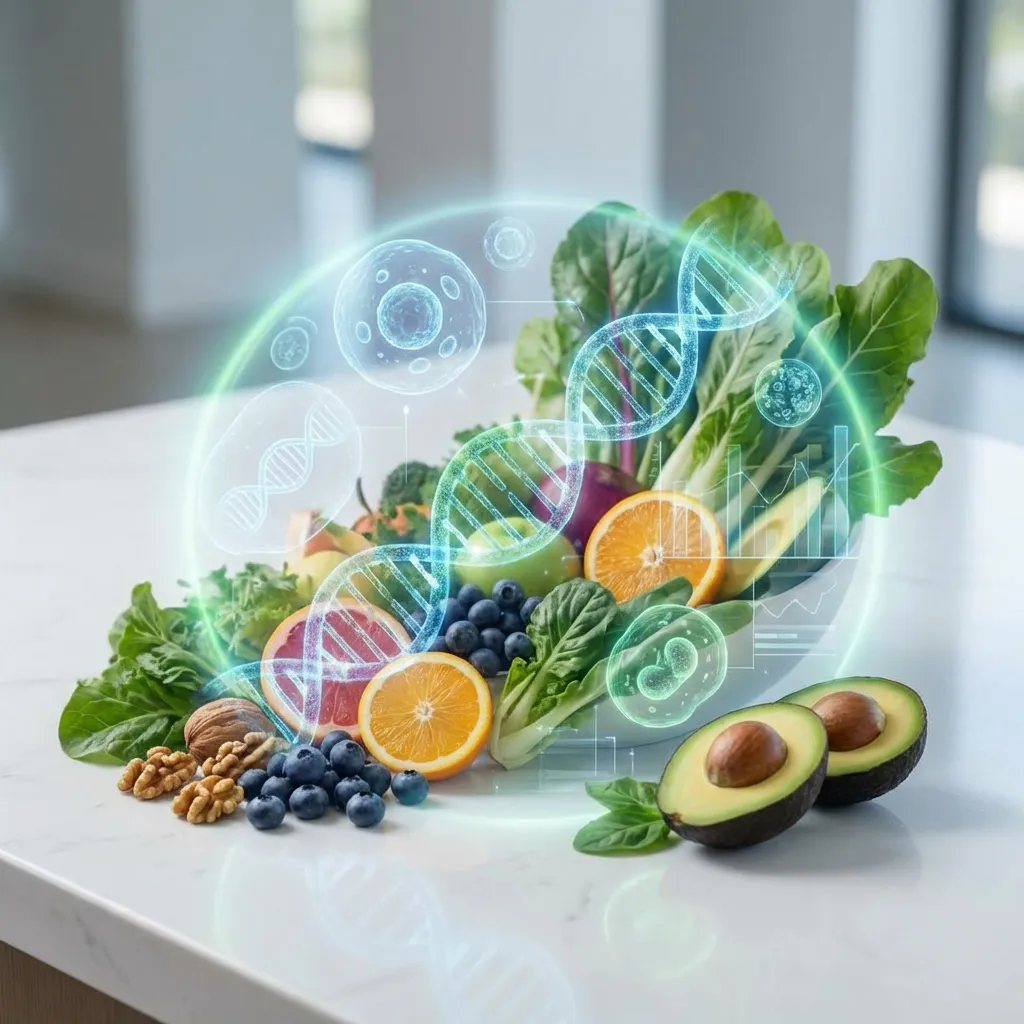
Anti-inflammatory eating does not require exotic powders or complicated recipes. The most effective version often looks like a repeatable grocery list: vegetables, beans, whole grains, fruit, fish or lean proteins, olive oil, nuts, seeds, herbs, and minimally processed foods.
This 3-day meal prep framework borrows from Mediterranean-style and DASH-style eating patterns—both known for emphasizing plant foods, mineral-rich choices, and heart-supportive meals.
The Prep List
Cook once, assemble many times:
- 2 cups cooked quinoa or brown rice
- 1 tray roasted vegetables
- 1 pot lentils or chickpeas
- 3-4 servings salmon, chicken, tofu, or eggs
- Washed greens
- Chopped cucumbers, peppers, and tomatoes
- Olive oil vinaigrette
- Greek yogurt or hummus
- Berries and citrus
Day 1
Breakfast: Greek yogurt with berries, oats, and walnuts
Lunch: Quinoa bowl with chickpeas, cucumber, tomato, greens, olive oil, and lemon
Dinner: Salmon or tofu with roasted vegetables and brown rice
Day 2
Breakfast: Veggie omelet or tofu scramble with fruit
Lunch: Lentil soup with greens and whole-grain toast
Dinner: Chicken, bean, or tempeh salad with avocado and roasted sweet potato
Day 3
Breakfast: Overnight oats with chia seeds and berries
Lunch: Hummus wrap with greens, peppers, cucumbers, and a side of fruit
Dinner: Turkey, bean, or lentil chili with a large salad
The Anti-Inflammatory Plate
Aim for:
- Half the plate: colorful plants
- One quarter: protein
- One quarter: high-fiber carbohydrate
- Add-on: olive oil, nuts, seeds, avocado, or tahini
The goal is not perfection. It is building meals that repeatedly deliver fiber, protein, micronutrients, and satisfying flavor.
Reduce the Friction
Meal prep fails when it is too ambitious. Make it easier:
- Use frozen vegetables
- Buy pre-washed greens
- Use canned beans, rinsed well
- Repeat the same breakfast for a week
- Keep one emergency meal in the freezer
The Bottom Line
Anti-inflammatory eating is less about single superfoods and more about patterns. Prep the building blocks, keep sauces simple, and let your default meals become colorful, high-fiber, and satisfying.
References & Educational Sources:
Disclaimer: This article is educational and not medical nutrition therapy. People with kidney disease, eating disorders, diabetes medication adjustments, or medically restricted diets should seek individualized guidance.
Read Next
Are Ultra-Processed Foods Destroying American Health? What the Latest Research Shows
Ultra-processed foods make up 57% of American calorie intake. New research from NIH, Harvard, and the BMJ links them to obesity, depression, cancer, and premature death. Here's everything you need to know.
Feb 28
Creatine for Women: What Science Actually Says About This Misunderstood Supplement
Creatine is not just for bodybuilders. Backed by over 500 peer-reviewed studies, it offers proven benefits for women's muscle health, hormonal balance, brain function, and perimenopause management.
Feb 28
The Great Protein Obsession: Are You Actually Eating Too Much?
Everyone's obsessing over protein in 2026—but most people don't need 200 grams a day. Here's the science on how much you really need, the best sources, and why the supplement industry is selling you a problem you don't have.
Feb 14