Why Gut Health Is the Missing Link in Women's Long-Term Health and Longevity
Health Focus Team
Published
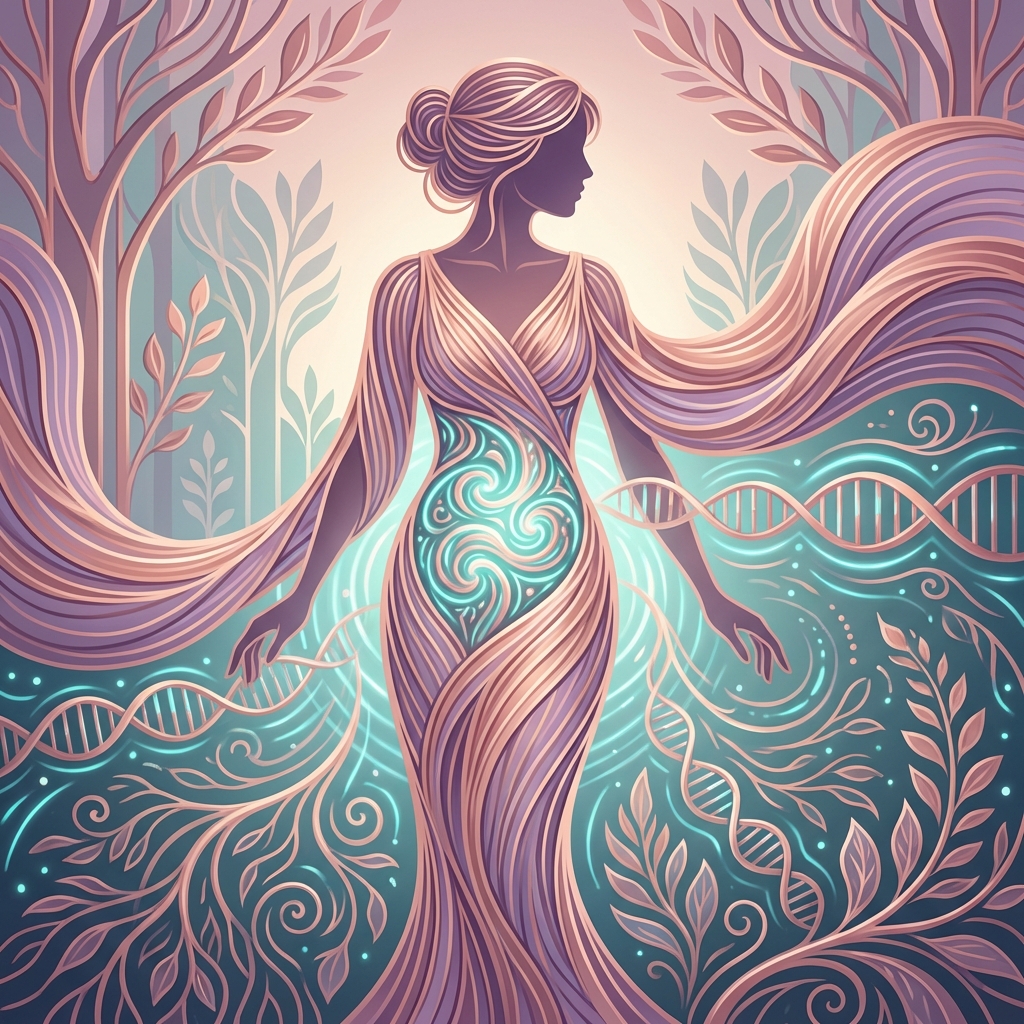
The gut-hormone axis is the missing link in women's longevity. Learn how your estrobolome controls estrogen, perimenopause symptoms, and long-term health.
Written by: Health Focus Research Team Medically Reviewed by: Dr. Michael Chen, MD, FACC – Preventive Cardiologist & Men's Health Specialist Last updated: February 28, 2026 | Reading time: 8 minutes
⚠️ Medical Disclaimer: This article is for educational purposes only. Testosterone levels and men's hormonal health should be evaluated by a qualified physician. Do not self-treat based on this article.
Women statistically outlive men by an average of five to seven years. But here is the uncomfortable truth: living longer does not always mean living better. Women disproportionately bear the burden of chronic, debilitating diseases in the second half of their lives—including autoimmune conditions (which are 80% more prevalent in women), osteoporosis, clinical depression, thyroid disease, and metabolic syndrome.
While conventional medicine frames these conditions as inevitable consequences of female hormonal aging, an emerging frontier in 2026 points to a single, profoundly underappreciated root cause: a chronic, escalating breakdown of gut health and the delicate gut-hormone axis.
The gut microbiome—the 38 trillion-strong community of bacteria, viruses, and fungi residing in the digestive tract—is not merely a digestive organ. It is the body's master regulator: a real-time command center for hormonal metabolism, immune response, inflammation control, and even mood production. And for women, the relationship between the gut and the hormonal system is uniquely intimate, bidirectional, and absolutely central to both healthspan and lifespan.
How Gut Health Affects Women Differently Than Men
Men and women carry meaningfully different gut microbiome compositions. These differences are established early in life and actively maintained by the ongoing hormonal environment of the female body.
The female sex hormones—estrogen, progesterone, and to a lesser degree testosterone—are not static. They cycle monthly, fluctuate across the lifespan (puberty, pregnancy, perimenopause, menopause), and respond dynamically to stress and nutritional status. Every one of these hormonal shifts has a documented, direct impact on the diversity and composition of the gut microbiome.
This means that a woman's gut is uniquely sensitive. It responds to her hormones. But critically, it also controls her hormones in return. This two-way relationship is one of the most important and most neglected areas of women's medicine.
The Estrobolome: How Your Gut Microbiome Controls Estrogen Levels
Buried within the gut microbiome is a specialized collection of bacterial genes called the Estrobolome. These genes produce the enzymes (primarily beta-glucuronidase) that directly regulate how much estrogen circulates in the body.
Here is the biological mechanism: The liver takes circulating estrogen, binds it to a glucuronic acid molecule, and sends the package to the gut for elimination through the stool. If the Estrobolome is healthy and diverse, the enzyme correctly processes the bound estrogen, and it exits the body cleanly.
However, when gut dysbiosis is present, the Estrobolome becomes overactive. It produces too much beta-glucuronidase. This enzyme "unzips" the package, cleaving the glucuronic acid from the estrogen and reactivating it—sending the estrogen directly back into the bloodstream through the intestinal wall.
The result is a state called Estrogen Dominance: chronically elevated circulating estrogen levels. This is the biological mechanism directly linked to:
- Heavy, painful, irregular periods
- Uterine fibroids and endometriosis
- Breast tissue density changes and elevated breast cancer risk
- Severe PMS and PMDD symptoms
- Weight gain concentrated around the hips and lower abdomen
- Accelerated menopausal symptoms
A disrupted gut microbiome—often presenting as a "leaky gut" that triggers systemic inflammation—is, in many cases, the silent driver of hormonal chaos that millions of women experience but their doctors never investigate.
Gut Health and Menopause: A Women's Timeline Through 30, 40, and 50
The relationship between the female gut and the aging female body evolves significantly across the decades.
In Your 30s: This is the silent setup decade. Gut microbiome diversity begins to decline if the diet is poor and stress is high. Subclinical dysbiosis often begins here, before hormone levels have dropped significantly enough to produce obvious symptoms. The Estrobolome begins to dysregulate quietly. This is the decade to build a gut health foundation—not fix a broken one.
In Your 40s: This is the perimenopause decade. Estrogen and progesterone enter a dramatic, irregular decline. Because these hormones directly cultivate the diversity of key gut bacterial species (including Lactobacillus and Bifidobacterium, which keep gut inflammation low), their decline directly accelerates gut dysbiosis. In turn, the worsening dysbiosis amplifies Estrobolome dysfunction, worsening the very hormonal chaos causing it. This explains why so many women suddenly struggle with unexplained weight gain, fatigue, and intense bloating during these years. This is a vicious cycle that leaves millions of women in perimenopause completely bewildered by the severity of symptoms not explained by their declining hormone levels alone.
In Your 50s and Beyond: By postmenopause, the gut microbiome has lost significant diversity. Critically, specific bacterial strains responsible for producing gut-derived serotonin decline sharply—contributing to the disproportionate rates of depression in postmenopausal women. The gut-bone axis becomes critically important: specific gut bacteria produce menaquinone (Vitamin K2), which directs calcium into bones instead of arteries. Declining gut diversity in postmenopausal women is directly linked to worsening bone density loss.
The Gut-Brain Axis and Women's Mental Health
Depression, anxiety, and mood disorders are 2 to 3 times more prevalent in women than in men. The gut microbiome provides a powerful biological explanation that has nothing to do with psychology.
The vast majority (approximately 95%) of the body's serotonin—the neurotransmitter most closely associated with mood regulation—is produced not in the brain, but in the enterochromaffin cells lining the gut wall. The gut bacteria directly stimulate and regulate this production. When gut dysbiosis is severe, serotonin production plummets. This is a major, direct biological contributor to the low mood, irritability, and disrupted emotional regulation that women disproportionately experience during hormonal transitions.
The gut microbiome also produces GABA (gamma-aminobutyric acid—the brain's primary anxiety-dampening neurotransmitter) and short-chain fatty acids that directly support brain structure and neuroprotection.
Daily Gut Habits That Support Women's Long-Term Health
The interventions are not complicated. They require consistency, not perfection.
1. The 30 Plant Per Week Challenge Target 30 different plant species per week. Not 30 servings—30 different types (broccoli and cauliflower count separately). This one dietary shift is the single most impactful thing a woman can do for her Estrobolome. Each unique plant brings a unique profile of prebiotic fiber that feeds a different strain of beneficial bacteria.
2. Fermented Foods Daily Include at least one serving of live-culture fermented food every day: plain kefir, Greek yogurt, kimchi, sauerkraut, or miso. A 2021 Stanford research study showed this is even more effective at increasing gut diversity than a pure high-fiber diet.
3. Reduce the Estrogen-Toxic Foods Aggressively limit alcohol (the number one driver of Estrobolome imbalance in women), industrial seed oils (canola, sunflower, soybean), and ultra-processed carbohydrates. These three categories disproportionately destroy the bacterial strains that maintain healthy Estrobolome function.
4. Protect the Gut During and After Antibiotics If you must take antibiotics, take a high-dose multi-strain probiotic (beginning on the same day, taken 2 hours apart from the antibiotic) and continue for at least 8 weeks post-course. Eat aggressively fermented foods during this period. Gut dysbiosis following antibiotic use can persist for up to a year if not actively rehabilitated.
5. Manage Stress as a Gut Intervention Chronically elevated cortisol directly damages the gut lining and kills beneficial Lactobacillus and Bifidobacterium strains within days. This means that for a woman in perimenopause with elevated baseline stress (which directly amplifies the hormonal chaos of perimenopause), stress management is not a luxury—it is a fundamental gut health intervention.
The Long-Term Payoff
Supporting gut health today is not about resolving bloating. It is a long-game investment in biological infrastructure. Women with consistently diverse, high-integrity gut microbiomes demonstrate:
- Lower lifetime risk of metabolic syndrome, type 2 diabetes, and cardiovascular disease
- More graceful hormonal transitions through perimenopause and menopause with fewer severe symptoms
- Significantly lower risk of autoimmune disease (which takes years of gut dysbiosis to develop)
- Better preservation of bone density through postmenopause
- Lower lifetime incidence of clinical depression and anxiety
Final Thoughts
Gut health is not a trend for women—it is the foundation. The emerging science of the Estrobolome, the gut-brain axis, and the gut-immune network makes an irrefutable case that the female gut is the single most powerful lever for women's longevity, hormonal balance, and emotional wellbeing.
Care for your microbiome like the irreplaceable, complex biological ecosystem it is. Feed it diversity. Protect it from toxins. Rebuild it after disruption. The return on investment is a fundamentally stronger, more resilient, and more vibrant version of yourself—for decades.
Frequently Asked Questions
How does gut health affect women's hormones? Your gut and hormones share a bidirectional relationship known as the gut-hormone axis. A specialized group of gut bacteria called the estrobolome is responsible for metabolizing and regulating the estrogen circulating in your body. When your gut is thriving, it helps maintain optimal estrogen levels, while dysbiosis can lead to hormonal chaos.
Can poor gut health cause hormonal imbalances like estrogen dominance? Yes. An unhealthy gut can disrupt hormone clearance and increase systemic inflammation. If your estrobolome produces too much of the enzyme beta-glucuronidase, estrogen is reactivated and reabsorbed into your bloodstream. This can trigger estrogen dominance, which often leads to heavy periods, intensified PMS, and worsened perimenopause symptoms.
How do hormonal changes during perimenopause and menopause impact the gut? Fluctuating hormones do not just cause hot flashes—they directly alter your gut microbiome. As estrogen declines during perimenopause and menopause, your gut microbial diversity also drops. This reduction can weaken the gut lining, causing a "leaky gut" that worsens systemic inflammation, brain fog, and bone density loss.
What are the most effective ways to support the gut-hormone axis? A holistic approach is essential. Focus on eating a fiber-rich diet with at least 30 different plant species per week to feed diverse bacteria. Add daily fermented foods to introduce beneficial microbes, manage your stress to lower cortisol, and get quality sleep to keep your circadian rhythm—and your hormones—in sync.
References:
- Trends in Endocrinology & Metabolism (2024). The Estrobolome: The Effect of the Gut Microbiota on Estrogen Metabolism.
- Nature Aging (2025). Gut microbiome dynamics across the female lifespan: from puberty to postmenopause.
- Cell (2021). Gut-microbiota-targeted diets modulate human immune status. (Sonnenburg Lab, Stanford)
Medical Disclaimer: This article is for informational purposes only and does not constitute medical advice. Always consult a qualified healthcare provider.
Frequently Asked Questions
How does gut health affect women's hormones?
Your gut and hormones share a bidirectional relationship known as the gut-hormone axis. A specialized group of gut bacteria called the estrobolome is responsible for metabolizing and regulating the estrogen circulating in your body. When your gut is thriving, it helps maintain optimal estrogen levels, while dysbiosis can lead to hormonal chaos.
Can poor gut health cause hormonal imbalances like estrogen dominance?
Yes. An unhealthy gut can disrupt hormone clearance and increase systemic inflammation. If your estrobolome produces too much of the enzyme beta-glucuronidase, estrogen is reactivated and reabsorbed into your bloodstream. This can trigger estrogen dominance, which often leads to heavy periods, intensified PMS, and worsened perimenopause symptoms.
How do hormonal changes during perimenopause and menopause impact the gut?
Fluctuating hormones do not just cause hot flashes—they directly alter your gut microbiome. As estrogen declines during perimenopause and menopause, your gut microbial diversity also drops. This reduction can weaken the gut lining, causing a "leaky gut" that worsens systemic inflammation, brain fog, and bone density loss.
What are the most effective ways to support the gut-hormone axis?
A holistic approach is essential. Focus on eating a fiber-rich diet with at least 30 different plant species per week to feed diverse bacteria. Add daily fermented foods to introduce beneficial microbes, manage your stress to lower cortisol, and get quality sleep to keep your circadian rhythm—and your hormones—in sync.
Related Articles

Perimenopause Awakening: The Silent Health Crisis Women Are Finally Addressing in 2026
May 3, 2026
The Fertility Shift: Why More Women Are Freezing Their Eggs and What You Need to Know
Jan 29, 2026

The Secret Instruction Manual for Your Body: Why Cycle Syncing Changes Everything
Jan 28, 2026