The Secret Instruction Manual for Your Body: Why Cycle Syncing Changes Everything
Health Focus Team
Published
Working against your hormones is exhausting. Discover how to balance hormones with food, design a cycle syncing workout routine, and align your lifestyle with your biological rhythm for better mood, energy, and performance.
Written by: Health Focus Research Team Medically Reviewed by: Dr. Elena Rodriguez, MD – Board-Certified Reproductive Endocrinologist & Hormone Health Specialist Last updated: February 28, 2026 | Reading time: 9 minutes
⚠️ Medical Disclaimer: This article is for informational purposes only. Cycle syncing should complement, not replace, medical treatment for menstrual or hormonal disorders.
You've probably noticed it, even if you haven't put words to it. Some weeks you feel unstoppable—creative, energized, social, ready to take on the world. Other weeks, you just want to cancel everything, stay in bed, and eat carbs. Your workouts feel effortless one week and impossible the next. Your skin glows sometimes and breaks out other times, seemingly at random.
Except it's not random at all. If you're a woman who menstruates, your hormones are on a constant cycle, rising and falling in predictable patterns throughout the month. And these hormonal fluctuations affect way more than just your period—they influence your energy levels, mood, metabolism, strength, appetite, skin, sleep, focus, and even which workouts your body responds to best.
Enter cycle syncing—the practice of aligning your diet, exercise, work schedule, and self-care routines with the different phases of your menstrual cycle. It's not a new concept, but it's having a major moment in 2025 as women realize that working against their hormones is exhausting, while working with them feels like finally understanding the instruction manual for their own bodies.
Understanding Your Hormonal Rhythm
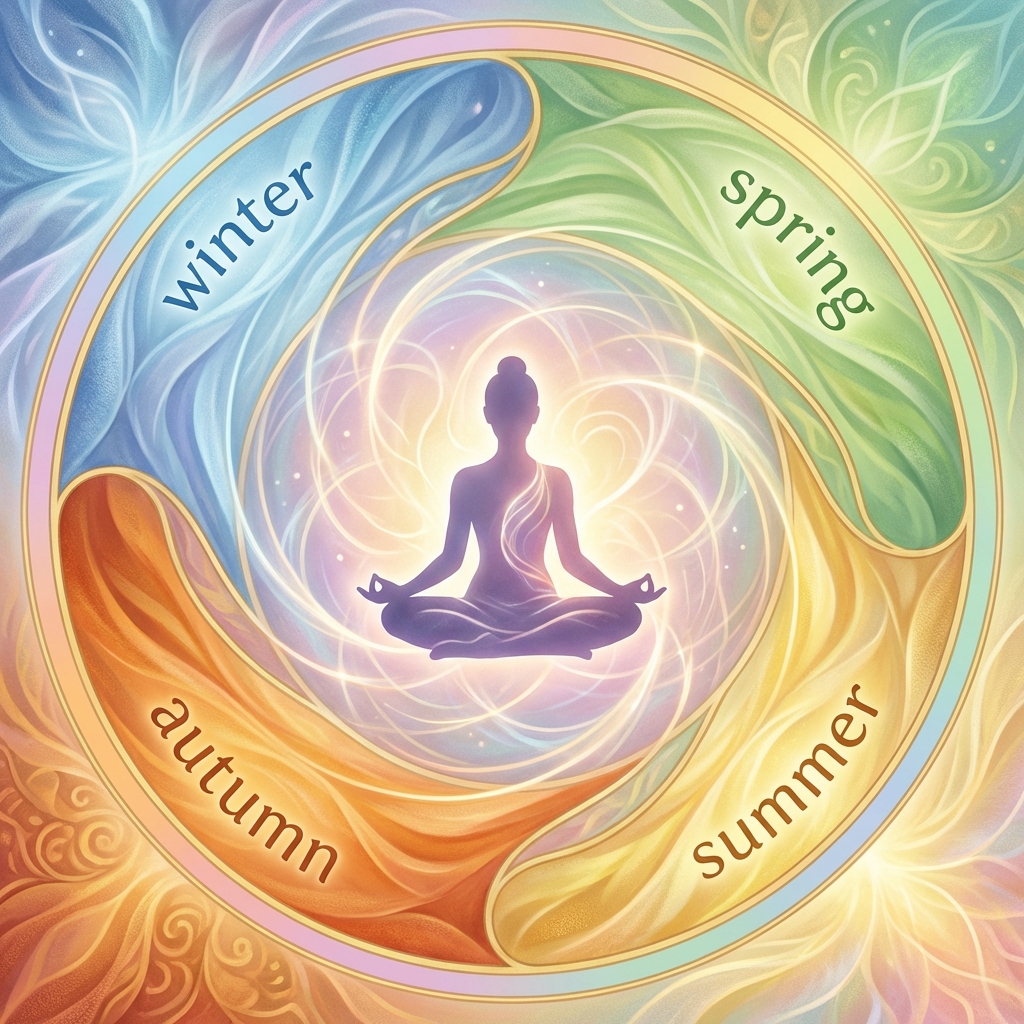
Your menstrual cycle is divided into four phases, each with its own hormonal profile that creates distinct physical and emotional experiences:
The menstrual phase (days 1-5, approximately): This is your period. Hormone levels—estrogen, progesterone, and testosterone—are at their lowest. Energy typically dips. You might feel more introspective, want more rest, and prefer gentler activities. This is your body's natural reset.
The follicular phase (days 1-13, approximately, overlapping with menstruation): After your period ends, estrogen starts climbing. This hormone rise brings increased energy, improved mood, sharper thinking, and growing confidence. You might feel more social, creative, and ready to try new things. Your body also becomes more insulin-sensitive, handling carbs more efficiently.
The ovulatory phase (days 14-16, approximately, the shortest phase): Estrogen peaks right before ovulation, then starts to decline. Testosterone also surges. This is your power phase—you're likely to feel your absolute best. Energy is high, confidence peaks, you're more verbally fluent, and your body is primed for high-intensity activity. You're also naturally more attractive to others (thanks, biology!) and might notice increased libido.
The luteal phase (days 17-28, approximately, the longest phase): After ovulation, progesterone takes over while estrogen rises again to a second, smaller peak, then both decline before your next period. The first half of this phase can feel pretty good—you're still energized but maybe craving more comfort and stability. The second half (the week before your period) is when PMS symptoms typically show up. Energy drops, mood can become more volatile, you might retain water, crave specific foods, and feel less social. Your body also becomes more insulin-resistant, meaning you might benefit from reducing refined carbs and sugar.
Understanding these phases means you can stop fighting your body and start anticipating—and planning for—how you'll likely feel at different times of the month.
The Science Behind Cycle Syncing
So is cycle syncing just another wellness trend, or is there actual science backing it up? The answer is both—there's legitimate biological basis for why your hormones affect how you feel and perform, but some cycle syncing recommendations go beyond what research has actually proven.
Here's what we know for sure: hormonal fluctuations throughout your cycle do affect your physiology in measurable ways. Estrogen influences serotonin production, which affects mood. It also impacts insulin sensitivity, bone density, and cardiovascular function. Progesterone has calming effects on the brain but can also cause fatigue and affect core body temperature. These are real, biological processes.
Studies have shown that women's pain tolerance, muscle recovery, metabolic rate, and even immune function vary across the menstrual cycle. Research on female athletes has found that performance and injury risk fluctuate with hormonal changes. Some studies suggest women might build muscle more effectively during the follicular phase when estrogen is rising.
Where it gets murkier is the prescriptive advice about exactly what to eat, how to exercise, or what work to schedule during each phase. Most of these recommendations are based on understanding hormonal effects and extrapolating what might be helpful—which is reasonable—but haven't been tested in rigorous clinical trials.
That doesn't mean cycle syncing doesn't work. It means we're still building the evidence base. And plenty of women report that paying attention to their cycle and adjusting their routines accordingly has dramatically improved their wellbeing, even if every specific recommendation hasn't been scientifically validated yet.
How to Cycle Sync Your Workouts
One of the most popular applications of this lifestyle is creating a customized cycle syncing workout routine. The goal is aligning strength training with your hormonal cycle and matching your exercise intensity to your biological phase. Instead of pushing the same intensity all month long, you work with your body's natural rhythms to maximize results and minimize fatigue.
During menstruation: Your hormones and energy are both low. This is a great time for gentler movement—walking, light yoga, stretching, swimming. If you want to workout, keep it moderate. Your pain tolerance might be lower, and your body is already dealing with inflammation from your period. Honor that rather than pushing through.
During the follicular phase: As estrogen rises, you'll likely have more energy and strength. This is an excellent time for trying new workouts, pushing your limits, and building intensity. Your body is more resilient, recovery is faster, and you might find you can lift heavier or run faster than other times of the month. Progressive overload works particularly well during this phase.
During ovulation: This is your peak power window. If you're going to do your hardest workouts, schedule them now. High-intensity interval training, personal records, competition, challenging new skills—your body is primed for maximum performance. You'll have the most energy and the best strength-to-weight ratio right around ovulation.
During the luteal phase: This is where it gets interesting. The early luteal phase (right after ovulation) can still feel pretty strong—many women maintain good workout capacity here. But as you move into the late luteal phase (the week before your period), progesterone dominates, and you might notice decreased energy, longer recovery times, and reduced exercise tolerance.
This doesn't mean you should skip workouts—but maybe shift to moderate-intensity exercise. Steady-state cardio, strength training with moderate weights and higher reps, Pilates, barre classes. Save the brutal HIIT sessions for when your hormones support them better. And if you need an extra rest day the few days before your period? That's not laziness—that's listening to your body.
Eating for Your Cycle
Your nutritional needs and how your body processes different macronutrients actually change throughout the month. If you are looking for a cycle syncing diet plan for beginners, the core principle is learning how to balance hormones with food. This means eating in ways that support your hormonal shifts rather than following the exact same eating pattern every single day.
During menstruation: You're losing iron through bleeding, so prioritize iron-rich foods—red meat, dark leafy greens, legumes. Pair them with vitamin C to enhance absorption. Anti-inflammatory foods like fatty fish, turmeric, and ginger can help with cramps and discomfort. You might crave comfort foods—honor that within reason.
During the follicular phase: Your metabolism is slightly lower and insulin sensitivity is higher, meaning you can handle carbs well. This is a good time for lighter, fresh foods—lots of vegetables, lean proteins, whole grains, fermented foods to support gut health. Your body is building new follicles and preparing for ovulation, so nutrient density matters.
During ovulation: You might naturally eat less during this phase—appetite often dips around ovulation. Focus on foods that support the detoxification of excess estrogen: cruciferous vegetables (broccoli, Brussels sprouts, cauliflower), fiber-rich foods, and plenty of water. You have the most energy, so you might enjoy raw vegetables, salads, and lighter fare.
During the luteal phase: This is when things get interesting. Your metabolic rate increases slightly (you might burn 100-300 more calories per day), and your insulin sensitivity decreases. Many women find they do better with slightly more food, slightly more fat and protein, and fewer refined carbs and sugar during this phase.
Those famous PMS cravings—especially for chocolate and sweets—aren't just in your head. Your serotonin levels dip before your period, and your body is desperately trying to boost them through simple carbs. Meeting this need with balanced, nutrient-dense foods rather than pure sugar can help stabilize mood without the blood sugar rollercoaster.
Magnesium-rich foods (dark chocolate, nuts, seeds, leafy greens) can help with PMS symptoms. Complex carbs provide sustained energy. Calcium from dairy or other sources may reduce PMS severity. And staying hydrated helps with bloating, even though it seems counterintuitive.
Syncing Your Work and Social Life
Beyond fitness and food, some women are extending cycle syncing to their professional and social calendars. The idea is to match task intensity and type with your cognitive and social energy.
Menstrual phase: Time for introspection, planning, analysis, and evaluation. You might be naturally more detail-oriented and critical during this phase—great for reviewing work, assessing what's working and what isn't, and course-correcting. If possible, this is not the best time to schedule high-stakes presentations or intense social obligations.
Follicular phase: As energy and creativity rise, this is an excellent time for brainstorming, starting new projects, problem-solving, and generating ideas. You're likely to think more clearly and communicate more effectively. Schedule important meetings, networking events, and collaborative work during this phase.
Ovulatory phase: Your peak communication and confidence phase. If you have a big presentation, crucial negotiation, difficult conversation, or important interview—schedule it for ovulation if you can. You're naturally more charismatic, articulate, and confident now. This is also a great time for social events, dates, and anything requiring high energy.
Luteal phase: The early part can still be quite productive—you might have good focus for detailed work, execution of existing projects, and completion of tasks. But as you move toward your period, you might naturally prefer smaller social circles, quieter activities, and more alone time. Honor that rather than forcing yourself to be "on" when your body wants to turn inward.
The Technology Making Cycle Tracking Easier
One of the reasons cycle syncing is trending now is because technology has made tracking your cycle incredibly easy. Period-tracking apps have evolved from simple calendars to sophisticated tools that help you understand patterns, predict symptoms, and make informed decisions about your schedule.
Wearable devices like the Oura Ring and some smartwatches can now track cycle-related changes in body temperature, heart rate variability, and other metrics that indicate which phase you're in. Some specifically market features designed for cycle tracking and even offer workout and nutrition recommendations based on your cycle phase.
This data-driven approach appeals to women who want to optimize their health and performance. Instead of vaguely noticing that you felt different at different times of the month, you can see actual patterns and correlations between your cycle phase and how you feel, perform, and respond to different activities.
When Cycle Syncing Doesn't Apply
It's important to note that cycle syncing only works if you have a natural menstrual cycle. If you're using hormonal birth control that suppresses ovulation (like most pills, patches, rings, or the shot), you don't have the hormonal fluctuations that cycle syncing is based on. Your "period" on birth control is actually a withdrawal bleed, not a natural menstrual cycle.
This does not mean you can't track patterns, but the hormonal physiology that cycle syncing addresses simply isn't present when you're using hormonal contraception. It also doesn't work if you're postmenopausal, pregnant, or have conditions that cause significant irregularity.
The Cons and Limitations
Critics argue that it puts undue focus on hormones as determining everything about a woman's capabilities, potentially reinforcing stereotypes. There is also concern about the lack of rigorous research for specific diet and exercise prescriptions.
The key is using cycle syncing as a tool for self-awareness and optimization, not as rigid rules. Pay attention to your patterns, experiment with adjustments, and see what actually makes you feel better.
The Bottom Line
Your menstrual cycle is a monthly report card on your health. The hormonal fluctuations you experience are real, biological processes that affect your entire body and mind. Learning to work with these rhythms rather than against them can genuinely improve how you feel, perform, and show up in your life.
Cycle syncing isn't about being controlled by your hormones—it's about understanding them well enough to optimize your life accordingly. It's about self-awareness, self-compassion, and making informed choices based on what your body is actually experiencing.
Will it revolutionize your life? Maybe, maybe not. But at minimum, it will help you understand yourself better. And that understanding—knowing why you feel certain ways at certain times—has value regardless of whether you implement every single recommendation.
Your body is communicating with you all the time. Your hormones are part of that communication. Paying attention might just be the key to finally feeling like you're working with your body instead of constantly fighting it.
Frequently Asked Questions
What is cycle syncing and does it really work? Cycle syncing is the practice of adjusting your diet, exercise, and daily habits to match the four phases of your menstrual cycle. While formal clinical studies are still emerging, many women experience significant benefits in energy management, mood stability, and reduced PMS symptoms by simply aligning their lifestyle with their biological rhythm.
Can you cycle sync while on hormonal birth control? If you use hormonal birth control that suppresses ovulation (like most combination pills, patches, or rings), you do not experience the natural hormonal fluctuations that this practice is based on. Your body maintains a steady state of synthetic hormones, so traditional cycle syncing won't apply in the same way.
How do I start cycle syncing if my periods are irregular? If you have irregular periods (due to PCOS, stress, or other factors), start by tracking your basal body temperature and physical symptoms like cervical fluid. This helps you identify which phase you are currently in, even if your cycle doesn't follow a standard 28-day timeline. Focus on the basics, like nutrient-dense foods and adequate rest, before worrying about exact timing.
How long does it take to see results from cycle syncing? Most women notice subtle shifts in their energy and mood within the first month. However, for deeper changes—like diminished PMS symptoms and better workout recovery—it typically takes about three full menstrual cycles for your body to fully respond to these lifestyle adjustments.
Medical Disclaimer: This article is for informational purposes only and does not constitute medical advice. Always consult a qualified healthcare provider.
Frequently Asked Questions
What is cycle syncing and does it really work?
Cycle syncing is the practice of adjusting your diet, exercise, and daily habits to match the four phases of your menstrual cycle. While formal clinical studies are still emerging, many women experience significant benefits in energy management, mood stability, and reduced PMS symptoms by simply aligning their lifestyle with their biological rhythm.
Can you cycle sync while on hormonal birth control?
If you use hormonal birth control that suppresses ovulation (like most combination pills, patches, or rings), you do not experience the natural hormonal fluctuations that this practice is based on. Your body maintains a steady state of synthetic hormones, so traditional cycle syncing won't apply in the same way.
How do I start cycle syncing if my periods are irregular?
If you have irregular periods (due to PCOS, stress, or other factors), start by tracking your basal body temperature and physical symptoms like cervical fluid. This helps you identify which phase you are currently in, even if your cycle doesn't follow a standard 28-day timeline. Focus on the basics, like nutrient-dense foods and adequate rest, before worrying about exact timing.
How long does it take to see results from cycle syncing?
Most women notice subtle shifts in their energy and mood within the first month. However, for deeper changes—like diminished PMS symptoms and better workout recovery—it typically takes about three full menstrual cycles for your body to fully respond to these lifestyle adjustments.
Related Articles
Perimenopause Awakening: The Silent Health Crisis Women Are Finally Addressing in 2026
May 3, 2026
The Fertility Shift: Why More Women Are Freezing Their Eggs and What You Need to Know
Jan 29, 2026
Why Gut Health Is the Missing Link in Women's Long-Term Health and Longevity
Jan 27, 2026