PCOS Isn't Just About Your Period: Understanding the Whole-Body Impact of Polycystic Ovary Syndrome
Health Focus Team
Published
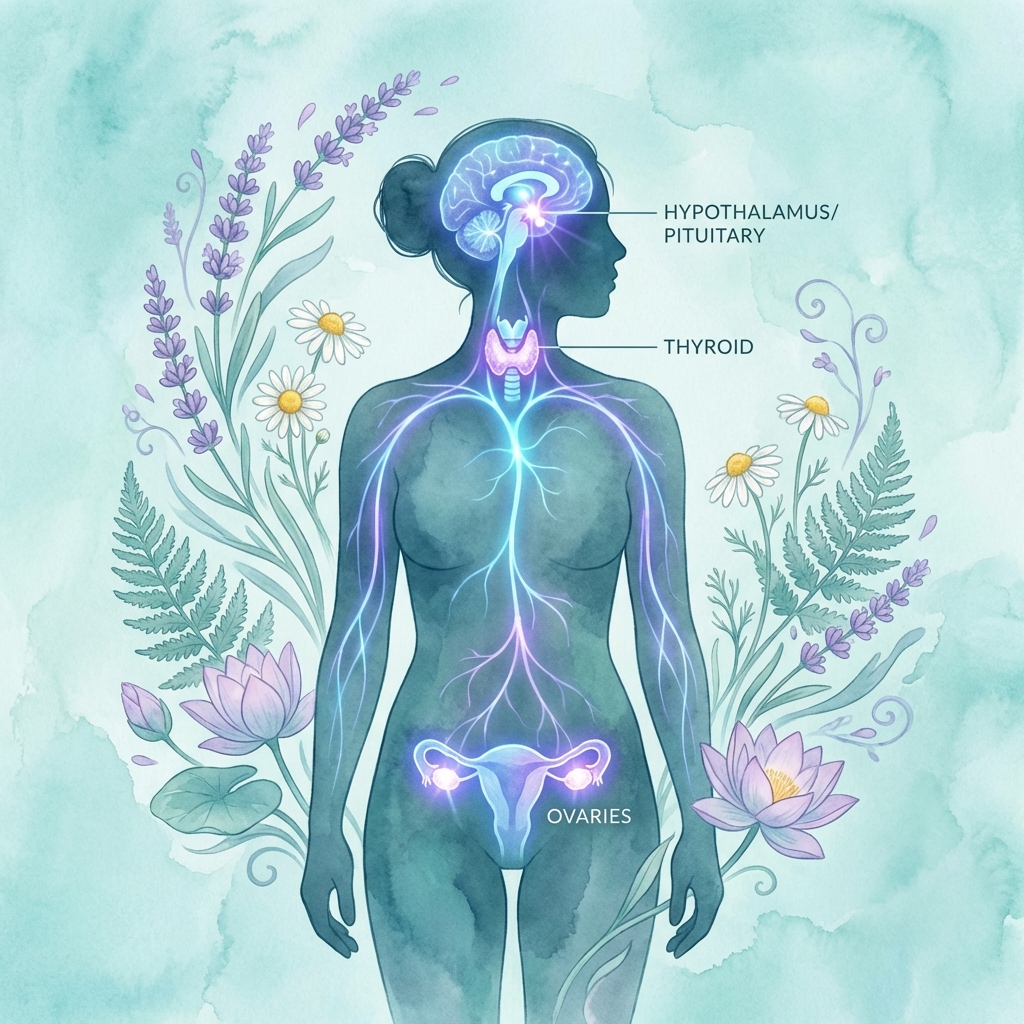
Irregular periods are just the tip of the iceberg. Discover the long-term effects of PCOS on the body, why PCOS weight loss is so hard, and how to manage insulin resistance for better metabolic health.
Written by: Health Focus Research Team Medically Reviewed by: Dr. Elena Rodriguez, MD – Board-Certified Reproductive Endocrinologist & Women's Health Specialist Last updated: February 28, 2026 | Reading time: 9 minutes
⚠️ Medical Disclaimer: This article is for informational purposes only. Hormonal and reproductive health conditions must be evaluated and treated by a qualified physician or specialist.
Your periods have always been irregular—sometimes you'll go months without one. You've gained weight that won't budge no matter how little you eat or how much you exercise. Dark hair has started growing on your chin, chest, and stomach. Your skin breaks out like you're a teenager again. You're exhausted all the time, your mood is all over the place, and getting pregnant seems impossible even though you're only in your twenties.
After years of being told to just lose weight or that irregular periods are normal, you finally get diagnosed: Polycystic Ovary Syndrome, or PCOS. And your doctor hands you birth control pills and tells you to come back in six months.
If this sounds familiar, you're far from alone. PCOS affects somewhere between 10-13% of women of reproductive age—that's one in ten women. Yet up to 70% of women with PCOS remain undiagnosed. And even those who do get diagnosed often don't receive the comprehensive, informed care they desperately need.
Here's what's changing in 2025: we're finally understanding that PCOS isn't just a reproductive disorder. It's a complex metabolic and hormonal condition with serious implications for your long-term health. And the treatment needs to reflect that reality.
What PCOS Actually Is (And Isn't)
Despite the name, polycystic ovary syndrome isn't really about cysts. The "cysts" are actually immature follicles that accumulate in the ovaries due to hormonal imbalances. And you don't even need to have them to be diagnosed with PCOS.
Current diagnostic criteria (called the Rotterdam criteria) say you need two out of three of the following: irregular or absent ovulation, signs of elevated male hormones (like excess hair growth, acne, or elevated testosterone on blood tests), or polycystic-appearing ovaries on ultrasound.
But here's where it gets complicated: PCOS doesn't look the same in every woman. Some have all three criteria. Some have severe symptoms; others have mild ones. Some struggle with infertility; others get pregnant easily. Some are overweight; others are lean. This heterogeneity is part of why PCOS is so confusing and so often misdiagnosed or dismissed.
What ties all these different presentations together is underlying hormonal dysfunction—typically involving insulin resistance, elevated androgens (male hormones), and disrupted ovulation. These hormonal issues don't just affect your reproductive system. They affect your entire body.
How Does PCOS Affect Metabolic Health?
This is the part that often doesn't get enough attention: the long-term effects of PCOS on the body go way beyond fertility. PCOS significantly increases your risk for serious metabolic and cardiovascular problems, making early management crucial.
Women with PCOS have dramatically higher rates of insulin resistance and type 2 diabetes—often developing these conditions decades earlier than women without PCOS. They're at elevated risk for metabolic syndrome, a cluster of conditions including high blood pressure, high blood sugar, abnormal cholesterol, and excess abdominal fat. They face increased risk of fatty liver disease, sleep apnea, and chronic inflammation.
And here's what research from 2025 is making crystal clear: PCOS is now recognized as a cardiovascular disease risk-enhancing factor. Women with PCOS have higher rates of heart attack and stroke, even during their reproductive years when women typically have low cardiovascular risk.
Your Gut Might Be Part of the Problem
One of the most fascinating areas of PCOS research involves the gut microbiome—those trillions of bacteria living in your digestive tract. Recent studies have found that women with PCOS have distinctly different gut bacteria compositions compared to women without the condition.
These microbial differences may contribute to the metabolic dysfunction and inflammation that drive PCOS. Certain gut bacteria produce metabolites that affect insulin sensitivity, hormone production, and inflammatory responses. Some may even influence androgen levels and ovulation.
This opens up exciting new treatment possibilities. If gut dysbiosis contributes to PCOS, then interventions that improve gut health—probiotics, prebiotics, dietary changes that support beneficial bacteria—might help manage the condition. Early research is promising, though we're still figuring out exactly which interventions work best for which women.
The Mental Health Connection That's Finally Getting Attention
Women with PCOS have significantly higher rates of anxiety, depression, and eating disorders compared to the general population. For a long time, this was dismissed as an understandable reaction to dealing with a chronic condition and its visible symptoms like weight gain and excess hair growth.
But newer research suggests the relationship might be more complex. The same hormonal imbalances and metabolic dysfunction that cause PCOS symptoms may also directly affect brain chemistry and mental health. Insulin resistance and inflammation, both common in PCOS, are linked to mood disorders. Some studies even show differences in brain structure and function in women with PCOS.
What this means is that the mental health struggles aren't just about feeling bad about your symptoms—they may be a direct manifestation of the underlying condition. And they deserve to be treated with the same seriousness as the physical symptoms.
Why Is PCOS Weight Loss So Hard?
If you have PCOS and you're overweight, you've probably been told a thousand times to "just lose weight" and everything will get better. This advice, while well-intentioned, is frustratingly oversimplified and ignores the reality of why PCOS weight loss is so hard.
First, not all women with PCOS are overweight. About 20-30% are lean, and they still deal with all the metabolic and hormonal issues. So clearly, weight isn't the whole story.
Second, PCOS itself makes weight loss incredibly difficult. Insulin resistance means your body stores fat more easily and releases it more reluctantly. Elevated androgens affect body composition and fat distribution. Disrupted hunger hormones make appetite regulation harder. Fatigue and mood issues make it harder to maintain exercise routines.
You're not failing at weight loss because you lack willpower—you're fighting against a hormonal and metabolic condition that's literally working against you.
That said, for women with PCOS who are overweight, even modest weight loss (5-10% of body weight) can significantly improve symptoms. It can help restore ovulation, improve insulin sensitivity, reduce androgen levels, and decrease cardiovascular risk. But the focus needs to be on metabolic health improvements, not just the number on the scale.
PCOS Insulin Resistance Treatment Options and Beyond
For decades, the standard PCOS treatment was simple: birth control pills to regulate periods, maybe metformin for insulin resistance, and the advice to lose weight. If you wanted to get pregnant, you'd get fertility drugs. That was pretty much it. Today, exploring the best PCOS insulin resistance treatment options requires a much broader perspective.
Things are changing. The 2023 International Evidence-based Guideline for PCOS management emphasizes a comprehensive, individualized approach that addresses the full spectrum of symptoms and long-term health risks.
Lifestyle interventions remain foundational: Not because you're at fault for your condition, but because diet and exercise genuinely impact the hormonal and metabolic dysfunction driving PCOS. The Mediterranean diet has particularly strong evidence. Regular exercise, especially strength training, improves insulin sensitivity and helps maintain muscle mass. These aren't instead of medical treatment—they're the foundation on which medical treatment builds.
Metformin is still widely used: This diabetes medication improves insulin sensitivity and can help with weight management, regulate periods, and reduce androgen levels. It's particularly helpful for women with insulin resistance or pre-diabetes.
But newer medications are showing promise: GLP-1 receptor agonists—the same class of drugs making headlines for weight loss (think Wegovy, Ozempic)—are being studied for PCOS treatment. Early research shows they may be more effective than metformin at improving weight, insulin sensitivity, and androgen levels. Some trials are finding that combining GLP-1 drugs with standard PCOS therapy produces better metabolic and hormonal outcomes than either approach alone.
Inositol supplements are gaining ground: These naturally occurring compounds (particularly myo-inositol and D-chiro-inositol) have shown benefits for insulin sensitivity, ovulation, and androgen levels in multiple studies. They're increasingly recommended as a complementary treatment.
Anti-androgen medications can help with symptoms like excess hair growth and acne. Fertility treatments have advanced significantly. And for women not trying to conceive, hormonal contraceptives remain a valid option for managing symptoms.
The key is that treatment should be tailored to your specific symptoms, goals, and overall health picture—not one-size-fits-all.
The Early Diagnosis Challenge
Here's a concerning stat: women with PCOS typically wait an average of two to three years from when symptoms start to when they get diagnosed. For women who first develop symptoms in adolescence, the delay can be even longer.
Why? Because irregular periods in teens are often dismissed as normal. Weight gain and acne are blamed on poor habits. Doctors might not think to check for PCOS, especially in young women who aren't yet trying to get pregnant.
This delay matters enormously. PCOS diagnosed and treated in adolescence allows for early intervention to prevent or minimize long-term complications. It provides time to implement healthy lifestyle habits before metabolic issues become entrenched. It offers emotional support during a vulnerable developmental period.
There's growing recognition that we need better screening, especially for at-risk groups. If you have irregular periods, signs of high androgens, and a family history of PCOS or diabetes, you should be evaluated—even if you're young, even if you're not trying to get pregnant.
What About Getting Pregnant?
One of the most devastating aspects of PCOS for many women is difficulty conceiving. Irregular or absent ovulation makes getting pregnant naturally much harder. And the knowledge that PCOS is the leading cause of female infertility can feel overwhelming.
But here's what often doesn't get communicated clearly: most women with PCOS can get pregnant with appropriate treatment. It might not happen on your timeline or the way you imagined, but it's far from hopeless.
First-line fertility treatment for PCOS typically involves medications that stimulate ovulation—letrozole or clomiphene citrate. These work for many women. If they don't, there are more advanced options like injectable gonadotropins or IVF.
Lifestyle interventions that improve insulin sensitivity often help restore natural ovulation even without fertility drugs. Some women find that managing their PCOS symptoms through diet, exercise, supplements, and medications like metformin is enough to conceive naturally.
And here's something hopeful: while getting pregnant might be harder, once you do conceive, your chances of a successful pregnancy are quite good with proper prenatal care and management of PCOS-related pregnancy risks.
Taking Control When You Feel Out of Control
Getting diagnosed with PCOS can feel overwhelming. You're dealing with symptoms that affect how you look, how you feel, your fertility, and your long-term health. The treatment feels complicated and ongoing. And you might feel like your body has betrayed you.
But here's what I want you to know: you're not powerless. PCOS is manageable. With the right information, the right healthcare team, and the right approach, you can dramatically improve your symptoms and reduce your long-term health risks.
Start by finding healthcare providers who actually understand PCOS—not just the reproductive aspects, but the metabolic and cardiovascular implications. Look for endocrinologists, reproductive endocrinologists, or OB-GYNs who specialize in PCOS management.
Educate yourself about the condition. The more you understand what's happening in your body, the better equipped you are to advocate for appropriate care and make informed decisions.
Build a support system. Whether that's online communities, in-person support groups, therapy, or just friends and family who understand what you're dealing with—you don't have to navigate this alone.
Focus on what you can control. You can't change your diagnosis, but you can prioritize sleep, manage stress, nourish your body with foods that support metabolic health, move in ways that feel good, and seek appropriate medical care.
The Bottom Line
PCOS is so much more than irregular periods and fertility problems. It's a complex hormonal and metabolic condition with serious health implications that extend far beyond your reproductive years.
But it's also highly treatable. We have more understanding, more treatment options, and more support than ever before. The key is getting properly diagnosed, finding knowledgeable healthcare providers, and taking a comprehensive approach that addresses not just the symptoms you see, but the underlying metabolic dysfunction driving the condition.
You deserve care that treats PCOS as the serious, whole-body condition it is. You deserve providers who listen and take your concerns seriously. And you deserve to know that while PCOS is a lifelong condition, it absolutely doesn't have to define or limit your life.
Your body isn't broken. It just needs the right support to function optimally. And with the advances happening in PCOS research and treatment, that support is more available now than it's ever been.
Frequently Asked Questions
What are the long-term effects of PCOS if left untreated? If left unmanaged, PCOS can lead to serious chronic health issues over time. The long-term effects of PCOS on the body include a much higher risk of developing type 2 diabetes, high blood pressure, cardiovascular disease, and endometrial cancer. Early diagnosis and a proactive treatment plan are essential for minimizing these risks.
Does PCOS get worse with age? While some reproductive symptoms—like irregular periods—might stabilize as women approach menopause, the metabolic aspects of PCOS often become more pronounced. Insulin resistance, weight management challenges, and cardiovascular risks tend to increase with age, which is why ongoing metabolic monitoring is so important.
How can I manage PCOS insulin resistance naturally? Managing PCOS insulin resistance naturally starts with targeted lifestyle changes. Eating a balanced, blood-sugar-friendly diet (like the Mediterranean diet), engaging in regular strength training, prioritizing high-quality sleep, and reducing stress can dramatically improve how your body processes insulin. Supplements like myo-inositol are also highly supported by recent research.
Can you lose weight with PCOS? Yes, you absolutely can lose weight with PCOS, though it often requires a different approach than standard weight loss advice. Because your hormones and metabolism function differently, success usually comes from focusing on improving insulin sensitivity first—through diet, exercise, stress management, and sometimes medical support—rather than just drastically cutting calories.
Medical Disclaimer: This article is for informational purposes only and does not constitute medical advice. Always consult a qualified healthcare provider.
Frequently Asked Questions
What are the long-term effects of PCOS if left untreated?
If left unmanaged, PCOS can lead to serious chronic health issues over time. The long-term effects of PCOS on the body include a much higher risk of developing type 2 diabetes, high blood pressure, cardiovascular disease, and endometrial cancer. Early diagnosis and a proactive treatment plan are essential for minimizing these risks.
Does PCOS get worse with age?
While some reproductive symptoms—like irregular periods—might stabilize as women approach menopause, the metabolic aspects of PCOS often become more pronounced. Insulin resistance, weight management challenges, and cardiovascular risks tend to increase with age, which is why ongoing metabolic monitoring is so important.
How can I manage PCOS insulin resistance naturally?
Managing PCOS insulin resistance naturally starts with targeted lifestyle changes. Eating a balanced, blood-sugar-friendly diet (like the Mediterranean diet), engaging in regular strength training, prioritizing high-quality sleep, and reducing stress can dramatically improve how your body processes insulin. Supplements like myo-inositol are also highly supported by recent research.
Can you lose weight with PCOS?
Yes, you absolutely can lose weight with PCOS, though it often requires a different approach than standard weight loss advice. Because your hormones and metabolism function differently, success usually comes from focusing on improving insulin sensitivity first—through diet, exercise, stress management, and sometimes medical support—rather than just drastically cutting calories.
Related Articles

Perimenopause Awakening: The Silent Health Crisis Women Are Finally Addressing in 2026
May 3, 2026

The Fertility Shift: Why More Women Are Freezing Their Eggs and What You Need to Know
Jan 29, 2026

The Secret Instruction Manual for Your Body: Why Cycle Syncing Changes Everything
Jan 28, 2026