Beyond Talk Therapy: The Rise of Somatic Wellness and Body-Based Mental Health
Health Focus Team
Published

Somatic wellness is transforming mental health. Explore body-centered therapies, somatic trauma therapy, nervous system regulation, and easy at-home exercises.
Written by: Health Focus Research Team Medically Reviewed by: Dr. Michael Chen, MD, FACC – Preventive Cardiologist & Men's Health Specialist Last updated: February 28, 2026 | Reading time: 8 minutes
⚠️ Medical Disclaimer: This article is for educational purposes only. Testosterone levels and men's hormonal health should be evaluated by a qualified physician. Do not self-treat based on this article.
For decades, mental health treatment meant one thing: talking. You'd sit in a therapist's office, discuss your thoughts and feelings, maybe get some medication, and hope for improvement. But something's shifting in how we understand and treat mental health. More people are discovering that healing doesn't always happen through words—sometimes it happens through the body.
Welcome to the world of somatic wellness, where breathwork replaces rumination, cold plunges process trauma, and shaking releases anxiety. It sounds unconventional, maybe even strange. But this body-first approach to mental health is backed by emerging neuroscience and is rapidly gaining ground as people seek alternatives to conventional treatments that haven't worked for them.
Why We're Looking Beyond Traditional Therapy
Let's be clear: traditional therapy is invaluable and has helped millions of people. Cognitive behavioral therapy, psychodynamic therapy, and other talk-based approaches have strong evidence backing their effectiveness. But here's the thing—they don't work for everyone, and even when they do work, they often work slowly.
When comparing somatic vs. talk therapy for emotional regulation, it becomes clear that many individuals feel "stuck" even after analyzing their problems for years. There's growing disillusionment with conventional mental health approaches, particularly among younger generations dealing with unprecedented rates of anxiety and depression. Long waitlists to see therapists, high costs, medication side effects, and the frustrating feeling that talking just isn't enough—all of this has people searching for alternatives.
Enter somatic practices—interventions that work directly with the body to shift mental and emotional states. These aren't new age inventions. Many have roots in ancient wisdom traditions, and modern neuroscience is increasingly explaining why they work.
Understanding the Mind-Body Connection
Here's what neuroscience has revealed: your brain and body aren't separate systems having a polite conversation. They're in constant, intimate communication through multiple pathways—the vagus nerve, the endocrine system, the immune system, and more. What happens in your body directly influences your mental state, and vice versa.
A common question people ask is: how does the body store trauma and stress? When you experience trauma or chronic burnout, it doesn't just live in your thoughts and memories. It gets trapped in your nervous system and physical form. Your muscles hold tension patterns. Your breathing becomes shallow. Your nervous system gets stuck in a perpetual fight-or-flight mode. No amount of thinking or talking about these patterns will necessarily change them—you have to work with the body itself.
This is exactly where somatic therapy for trauma and PTSD recovery steps in. By working directly with breath, movement, sensation, and nervous system regulation, these body-centered practices can shift stuck patterns in ways that cognitive analysis sometimes can't.
The Breathwork Revolution
One of the most accessible somatic practices is breathwork—intentional manipulation of breathing patterns to change your physiological and mental state. And it's having a major moment.
The science behind it is actually straightforward. Your breath is a direct line to your autonomic nervous system—the system that controls your stress response. Slow, deep breathing activates your parasympathetic nervous system (rest and digest), while rapid breathing activates your sympathetic nervous system (fight or flight).
Different breathing techniques target different states. Box breathing (inhaling, holding, exhaling, holding for equal counts) promotes calm and focus. Wim Hof breathing (cycles of hyperventilation followed by breath holds) creates a controlled stress response that may boost immune function and mental resilience. Alternate nostril breathing balances the nervous system. The 4-7-8 technique (inhale for 4, hold for 7, exhale for 8) specifically targets anxiety and can help with sleep.
What makes breathwork particularly powerful is that it's free, accessible anywhere, and works quickly. Unlike therapy that might take months to show results, a five-minute breathing practice can shift your state immediately. It won't cure depression or resolve trauma, but it provides a practical tool for managing symptoms in real-time.
Cold Exposure for Mental Health
Remember those cold plunges we talked about for physical health? They're also becoming a mental health intervention. And the research is intriguing.
Cold water immersion causes a surge of neurotransmitters—particularly norepinephrine, which plays a role in focus, mood, and alertness. Some studies suggest that regular cold exposure can have antidepressant effects comparable to certain medications, though more research is needed.
But beyond neurochemistry, there's the psychological component. Getting into ice-cold water requires you to override your body's intense resistance. You have to regulate your breathing, calm your mind, and stay present despite extreme discomfort. This builds a specific kind of mental resilience that translates to handling stress in daily life.
Many people report that cold plunging helps with anxiety, depression, and mood regulation. Some describe it as a reset button—after the initial shock and adjustment, they emerge feeling clear, energized, and emotionally centered.
Sound Healing and Vibrational Therapy
Sound baths—lying down while someone plays crystal bowls, gongs, or other instruments—have moved from fringe spiritual practice to mainstream wellness offering. You'll now find them at corporate wellness programs, gyms, and mental health centers.
The premise is that different sound frequencies affect your brainwaves and nervous system. Certain frequencies may promote relaxation, reduce anxiety, or facilitate meditative states. While the scientific evidence is still limited, preliminary research suggests that sound therapy can reduce stress markers, lower heart rate, and improve mood.
Whether it's the specific frequencies doing the work or simply the forced stillness and permission to rest, many people find sound baths deeply calming. In our overstimulated, constantly-on culture, any practice that creates space for genuine rest and nervous system downregulation has value.
The Science of Shaking and Movement
Here's one that might sound weird until you understand the mechanism: intentional shaking and movement as trauma release. Animals naturally shake after threatening experiences—it's how they discharge stress and trauma from their nervous systems. Humans have largely lost this instinct, instead holding tension in our bodies.
Trauma-releasing exercises (TRE) involve specific movements and positions that trigger natural shaking and tremoring. Proponents note that this releases stored trauma and tension from the body. While the research is still emerging, studies point to benefits for PTSD, anxiety, and chronic pain.
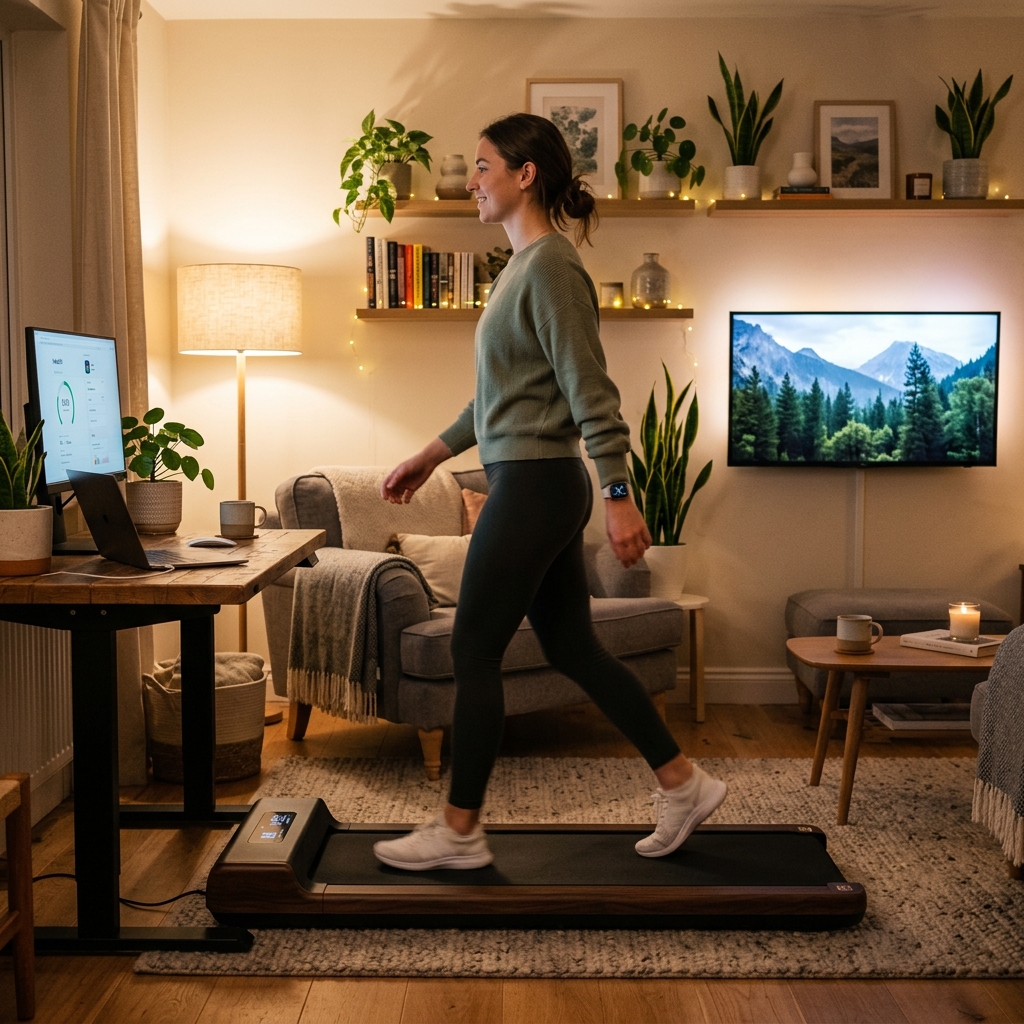
Beyond structured TRE, simply moving your body is one of the best somatic exercises to release tension at home. Dance, yoga, martial arts, or even going for a brisk walk—all of these mind-body connection exercises help process emotions and reduce anxiety in ways that sitting on a couch can't always achieve. Movement gets you out of your head and into your body, which is precisely where many people need to go to heal.
Vagus Nerve Stimulation
The vagus nerve is a major player in your body's stress response, and stimulating it has become a hot topic in wellness circles. This long nerve runs from your brain stem down through your body, connecting your brain to your heart, lungs, digestive system, and more.
A well-functioning vagus nerve helps you recover from stress, regulates inflammation, and supports emotional regulation. When your vagal tone (the health and function of your vagus nerve) is high, you're more resilient to stress and better able to shift between activated and relaxed states.
How do you stimulate it? Several somatic practices work: deep breathing activates the vagus nerve through your diaphragm. Humming or singing stimulates it through vocal cords. Cold water on your face triggers a vagal response. Even gentle neck and jaw massage can help.
While vagus nerve stimulation isn't a cure for mental health conditions, improving vagal tone may enhance your ability to manage stress and regulate emotions. It's another tool in the somatic toolkit.
Why Somatic Approaches Are Gaining Traction Now
Several factors are driving the somatic wellness trend. First, there's the mental health crisis—rates of anxiety, depression, and burnout are at all-time highs, particularly among younger people. Traditional treatments aren't keeping pace with demand, and many people are desperate for tools that work quickly.
Second, there's growing acceptance that mental health isn't just about thoughts and emotions—it's fundamentally embodied. Trauma research has shown that traumatic experiences get stored in the body, not just the mind. This understanding opens up new treatment possibilities.
Third, social media has accelerated the spread of somatic practices. People share their experiences with cold plunging, breathwork, or sound healing, and others see tangible results. These practices are more immediately accessible and measurable than traditional therapy.
Finally, there's a broader cultural shift toward holistic health. People increasingly want integrated approaches that address mind, body, and spirit together rather than treating them as separate domains.
The Integration of Traditional and Somatic Approaches
Here's what's important to understand: somatic practices aren't replacing traditional mental health treatment—they're complementing it. The most effective approaches often integrate both.
Many therapists now incorporate somatic techniques into their practice. You might discuss a traumatic memory while also paying attention to body sensations and using breathing to regulate your nervous system. This combination—addressing both the cognitive/emotional and the physiological—often produces faster, deeper results than either approach alone.
Some people use somatic practices as maintenance tools between therapy sessions. Others find that body-based work opens up emotional material that they can then process in therapy. The two approaches can work synergistically.
Practical Ways to Start Your Somatic Journey
You don't need expensive classes or special equipment to learn how to practice somatic wellness for nervous system regulation. Here are accessible starting points if you're looking for simple somatic movement routines for daily stress relief:
- Start with breath awareness: Simply notice your breathing throughout the day. Is it shallow or deep? Fast or slow? Tight or relaxed? No need to change anything at first—just develop awareness. Then experiment with different breathing patterns and notice how they affect your state.
- Practice body scans: Lie down and slowly bring attention to different parts of your body. Notice sensations without trying to change them. This somatic grounding practice builds body awareness and helps you feel safe and present.
- Try cold water exposure: Start with cold showers—30 seconds to a minute at the end of your regular shower. Focus on controlling your breath and staying calm despite the discomfort. Build gradually from there.
- Explore 5-minute somatic movement: Find forms of movement that feel good and allow emotional expression. This might be a quick dance break, gentle stretching, or simply shaking out your limbs. Let yourself move in whatever ways feel natural.
- Experiment with humming or toning: Simple vocal practices can stimulate your vagus nerve and shift your state. Try humming or making sustained vocal sounds and notice the vibrational sensations in your body.
When to Seek Professional Guidance
While many somatic practices are safe to explore on your own, some situations require professional support. If you're dealing with significant trauma, dissociation, or severe mental health conditions, working with a trained somatic therapist is important.
Some somatic practices can actually trigger difficult emotions or traumatic memories. Having a skilled practitioner guide you creates safety and helps you work with what emerges. Look for therapists trained in somatic experiencing, sensorimotor psychotherapy, or other body-based trauma approaches.
The Future of Mental Health Treatment
As we move further into 2025 and beyond, expect to see continued integration of somatic practices into mainstream mental health care. Research is expanding, training programs are growing, and insurance coverage is slowly improving.
We're also seeing innovation in this space—apps that guide breathwork, wearables that track nervous system states, VR programs that combine visualization with somatic techniques. Technology is making these practices more accessible and measurable.
What's most exciting is the shift from either/or thinking to both/and. It's not about choosing between therapy and somatic work, medication and breathwork, conventional and alternative. It's about using all available tools to support mental health and healing.
The Bottom Line
Healing doesn't follow a single path. For some people, traditional talk therapy is exactly what they need. Others find relief through somatic practices. Most people benefit from some combination.
What somatic wellness offers is a way to work directly with your nervous system and body to shift patterns that might be resistant to cognitive approaches alone. It gives you practical tools you can use anytime, anywhere, without depending on a therapist or medication.
The key is approaching these practices with curiosity rather than expectation, patience rather than urgency. Your body has wisdom that your mind might not yet understand. Learning to listen to that wisdom—through breath, sensation, movement, and presence—can open pathways to healing that you didn't know existed.
Whether you're dealing with anxiety, depression, trauma, or simply the accumulated stress of modern life, somatic practices offer another way forward. Not a replacement for other treatments, but a powerful complement. Your body isn't just along for the ride in your mental health journey—it might actually be leading the way.
Frequently Asked Questions
What is the difference between somatic therapy and traditional talk therapy? Traditional talk therapy focuses on analyzing thoughts, behaviors, and emotions through conversation. Somatic therapy takes a "bottom-up" approach, prioritizing physical sensations, breath, and movement. Instead of just talking about your problems, somatic therapy helps you process and release emotional blockages directly through your nervous system.
How does somatic therapy help with anxiety and stress? Anxiety isn't just in your head; it lives in your body as a heightened state of physiological arousal (fight-or-flight). Somatic therapy helps by directly targeting your autonomic nervous system. Through deep breathing, targeted movement, and grounding exercises, you send safety signals to your brain, effectively lowering your heart rate and calming your anxious physical responses.
Can I do simple somatic exercises at home? Absolutely. While working with a trained practitioner is beneficial for complex trauma, you can easily integrate simple somatic exercises to release tension at home. Practices like the 4-7-8 breathing technique, five-minute shaking routines, or mindful body scans require no equipment and provide immediate relief for daily stress.
How does the body store trauma and stress? When you experience an overwhelming event, your nervous system mobilizes for survival. If that survival energy isn't fully discharged, it gets "trapped" in the body. This can manifest as chronic muscle tension, shallow breathing, digestive issues, or an exaggerated startle response. Somatic healing focuses on safely discharging this lingering tension so your nervous system can return to a baseline of safety.
Medical Disclaimer: This article is for informational purposes only and does not constitute medical advice. Always consult a qualified healthcare provider.
Frequently Asked Questions
What is the difference between somatic therapy and traditional talk therapy?
Traditional talk therapy focuses on analyzing thoughts, behaviors, and emotions through conversation. Somatic therapy takes a "bottom-up" approach, prioritizing physical sensations, breath, and movement. Instead of just talking about your problems, somatic therapy helps you process and release emotional blockages directly through your nervous system.
How does somatic therapy help with anxiety and stress?
Anxiety isn't just in your head; it lives in your body as a heightened state of physiological arousal (fight-or-flight). Somatic therapy helps by directly targeting your autonomic nervous system. Through deep breathing, targeted movement, and grounding exercises, you send safety signals to your brain, effectively lowering your heart rate and calming your anxious physical responses.
Can I do simple somatic exercises at home?
Absolutely. While working with a trained practitioner is beneficial for complex trauma, you can easily integrate simple somatic exercises to release tension at home. Practices like the 4-7-8 breathing technique, five-minute shaking routines, or mindful body scans require no equipment and provide immediate relief for daily stress.
How does the body store trauma and stress?
When you experience an overwhelming event, your nervous system mobilizes for survival. If that survival energy isn't fully discharged, it gets "trapped" in the body. This can manifest as chronic muscle tension, shallow breathing, digestive issues, or an exaggerated startle response. Somatic healing focuses on safely discharging this lingering tension so your nervous system can return to a baseline of safety.