The 'Protein Water' Craze: Actually Healthy or Just Expensive Pee?
Health Focus Team
Published

Clear whey isolates and protein waters are taking over the fitness world. We analyze the bioavailability, artificial sweeteners, and actual benefits.
Written by: Health Focus Research Team Medically Reviewed by: Dr. Sarah Jenkins, PhD – Nutritional Biochemistry Last updated: August 3, 2026 | Reading time: 5 minutes
⚠️ Medical Disclaimer: This article is for educational and informational purposes only and is not intended to replace personalized dietary advice from a registered dietitian.
If you’ve stepped foot in a gym, a boutique grocery store, or scrolled through a fitness influencer's feed in 2026, you've seen it: brightly colored, transparent liquids in sleek bottles boasting "20g of Protein."
Welcome to the era of Protein Water and Clear Whey Isolate.
For decades, getting your post-workout protein meant choking down a thick, chalky, milk-based shake that tasted like artificially sweetened mud. The promise of protein water is intoxicating: all the muscle-building benefits of whey protein, but with the refreshing, light consistency of a sports drink or flavored water.
It sounds like a biohacking miracle. But what are you actually drinking, and is it biologically superior to eating a piece of chicken—or is it just expensive, artificially colored water?
What is Clear Whey Isolate?
To understand protein water, you have to understand the manufacturing process.
Standard whey protein (the byproduct of cheese manufacturing) is naturally milky and opaque. To create "clear" whey, manufacturers take whey protein isolate and subject it to an aggressive process of acidification and ultra-filtration.
By dropping the pH level significantly (making it highly acidic), the whey proteins denature slightly, preventing them from clumping together and allowing them to dissolve completely transparently in water.
The Pros: Why It’s Actually Good
From a purely nutritional biochemistry standpoint, clear whey isolate has some legitimate benefits:
- High Bioavailability: Whey isolate is a complete protein, containing all nine essential amino acids necessary for muscle protein synthesis, including high levels of leucine. The ultra-filtration process ensures that your body can absorb these amino acids rapidly.
- Lactose-Free (Mostly): Because it is an isolate rather than a concentrate, virtually all the fats and lactose have been stripped away. For the estimated 65% of the global population with some degree of lactose intolerance, clear whey provides dairy-based muscle fuel without the severe gastrointestinal distress.
- Hydration + Nutrition: After a heavy, sweat-inducing workout in the summer heat, a thick, creamy chocolate shake is often nauseating. A cold, fruity protein water is highly palatable, encouraging both rehydration and protein intake simultaneously.
The Cons: What You’re Actually Swallowing
Before you replace all your meals with fluorescent protein water, consider the nutritional dark side of the trend.
1. The Artificial Sweetener Overload
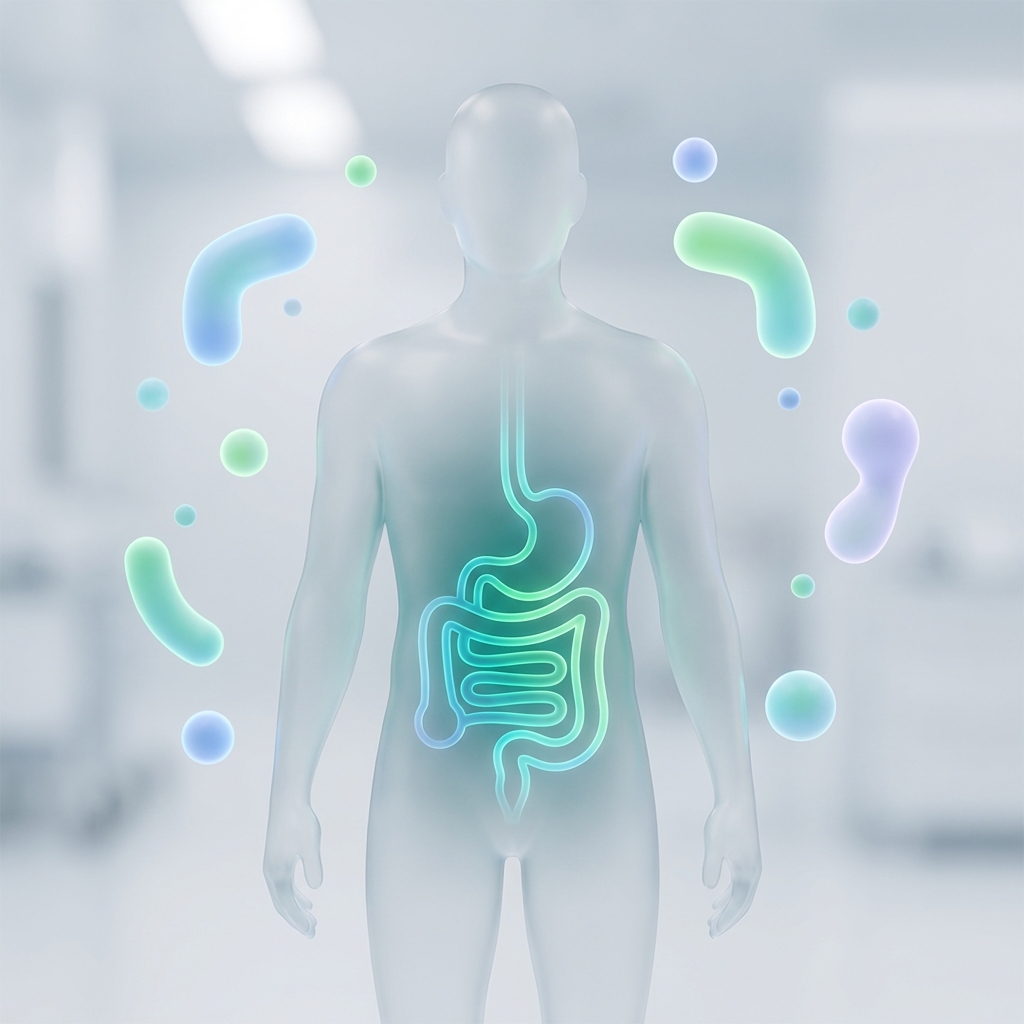
Because clear whey isolate is inherently acidic and slightly bitter, manufacturers must mask the flavor. Nearly all commercial protein waters are aggressively sweetened with artificial sweeteners like Sucralose or Acesulfame Potassium (Ace-K). While recognized as safe by the FDA, emerging research in 2026 continues to link high daily consumption of these artificial sweeteners to disruptions in the gut microbiome and potential dysregulation of insulin signaling.
2. The Acidity Issue
To keep the protein clear and dissolved, the liquid must remain highly acidic. Sipping on highly acidic, artificially sweetened protein water throughout the day is a fast track to dental enamel erosion. Dentists are increasingly warning that treating protein water like regular water is destroying tooth enamel at alarming rates.
3. Satiety and the "Empty Calorie" Paradox
Liquid calories, even protein calories, do not trigger the same satiety mechanisms (fullness signals) in the brain and gut that chewing solid food does. Chugging 20 grams of protein via water takes 30 seconds and leaves you hungry. Eating 20 grams of protein via three scrambled eggs takes time, requires digestion, and keeps you full for hours.
The Verdict
Protein water is not a scam; it is a highly engineered, bioavailable supplement that successfully delivers what it promises: rapid protein absorption without the heavy dairy texture.
However, it is a supplement, not a dietary staple.
If you are a high-performance athlete, a bodybuilder, or someone who genuinely struggles to hit a daily protein goal of 1.2 to 1.6 grams per kilogram of body weight, clear whey is a fantastic tool in your arsenal for immediate post-workout recovery.
But if you are drinking $5 bottles of protein water while sitting at your desk instead of eating a balanced meal, you are trading optimal gut health and satiety for convenience.
Real food always wins. Protein water is just a backup plan.
Medical Disclaimer: This article is for informational purposes only and does not constitute medical advice. Always consult a qualified healthcare provider.