When Motherhood Doesn't Feel Like You Thought It Would: Understanding Postpartum Depression in America
Dr. Sarah Chen
Published
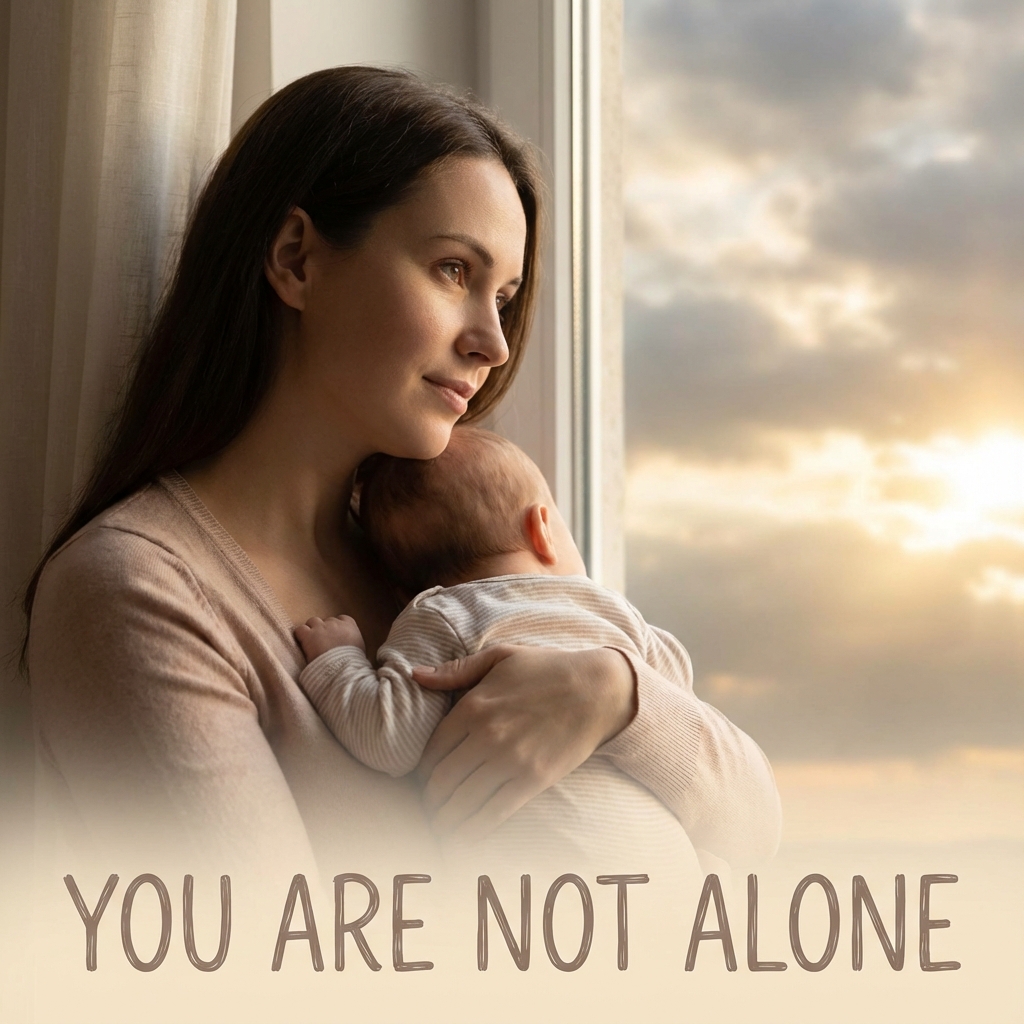
The Truth About the 'Fourth Trimester'. Understanding postpartum depression vs baby blues symptoms, finding a therapist, and getting immediate mental health support for new moms in 2026.
Written by: Health Focus Research Team Medically Reviewed by: Dr. Elena Rodriguez, MD – Board-Certified Reproductive Endocrinologist & Women's Health Specialist Last updated: February 28, 2026 | Reading time: 9 minutes
⚠️ Medical Disclaimer: This article is for informational purposes only. Hormonal and reproductive health conditions must be evaluated and treated by a qualified physician or specialist.
The Truth About the "Fourth Trimester" That Nobody Warned You About
It's 3 a.m. in a quiet Boston suburb, and Sarah sits in the nursery rocking chair, her eight-week-old daughter finally asleep in her arms. But Sarah isn't looking at her baby with the overwhelming love everyone promised she'd feel. Instead, tears stream down her face as a terrifying thought loops through her mind: "What if I'm not cut out to be a mother?"
Sarah is one of nearly half a million American women who will experience postpartum depression this year. And like three out of every four women with this condition, she's suffering in silence—convinced she's failing, ashamed to ask for help, unaware that what she's feeling isn't her fault.
If you're reading this and nodding your head because you recognize yourself in Sarah's story, I need you to hear something clearly: Postpartum depression is not a personal failure. It's a medical condition. And it's treatable.
The Silent Crisis Affecting One in Five New Mothers
Let's talk numbers, because understanding how common this is can help you feel less alone. According to the most recent data:
- 1 in 8 women report experiencing postpartum depression symptoms after giving birth
- Diagnosis rates have more than doubled from 9.4% in 2010 to 19% in 2021
- Up to 1 in 5 mothers may actually be affected when you include those who go undiagnosed
- Approximately 460,000 American mothers are affected every single year
- A staggering 75% of women with postpartum depression never receive treatment
Read that last statistic again. Three out of four mothers who are struggling don't get the help they desperately need and absolutely deserve.
Why? Because postpartum depression thrives in silence. It feeds on shame. It convinces you that admitting you're struggling means you're a bad mother, when the exact opposite is true.
Postpartum Depression vs Baby Blues Symptoms: Here's the Difference
After giving birth, about 80% of women experience what's called "baby blues"—a brief period of mood swings, crying spells, anxiety, and feeling overwhelmed. This typically starts within a few days after delivery and goes away on its own within two weeks.
Postpartum depression is something entirely different.
Postpartum depression is a serious mood disorder that can begin anytime during pregnancy—meaning you might even notice signs of postpartum depression during pregnancy—or within the first year after childbirth. The symptoms are more severe, last much longer, and significantly interfere with your ability to care for yourself and your baby. If you're wondering who to talk to about postpartum depression symptoms, your OB-GYN, midwife, or primary care doctor is a great starting point.
You might be experiencing postpartum depression if you have several of these symptoms for more than two weeks:
- Persistent sadness, emptiness, or feeling hopeless
- Crying more than usual—or feeling like you can't cry even when you want to
- Losing interest in things you used to enjoy
- Feeling disconnected from your baby, like you're just going through the motions
- Overwhelming anxiety or panic attacks
- Scary intrusive thoughts about something bad happening to your baby
- Difficulty bonding with your baby or feeling like your baby would be better off without you
- Changes in sleep (unable to sleep even when baby sleeps, or sleeping too much)
- Significant changes in appetite
- Intense irritability or anger
- Feelings of worthlessness, shame, or guilt about not being a "good enough" mother
- Difficulty concentrating or making decisions
- Physical aches and pains with no clear cause
- Thoughts of harming yourself or your baby
[!IMPORTANT] If you're experiencing suicidal thoughts or thoughts of harming your baby, please call 911 or the National Maternal Mental Health Hotline at 1-833-TLC-MAMA (1-833-852-6262) immediately. This is available 24/7 and provides free, confidential support.
Why Is This Happening to Me?
Here's what you need to understand: Postpartum depression isn't caused by anything you did or didn't do. It's not because you're weak, ungrateful, or don't love your baby enough.
The transition to motherhood involves the most dramatic hormonal shift your body can experience outside of puberty. During pregnancy, levels of hormones like progesterone and allopregnanolone skyrocket. After delivery, these levels plummet suddenly and dramatically within 24-48 hours.
For some women, this hormonal freefall disrupts the brain chemistry that regulates mood and emotion. Research shows that women with postpartum depression have measurable differences in how their brains process these hormonal changes.
Risk factors include:
- History of depression, anxiety, or other mental health conditions
- Previous postpartum depression with another pregnancy
- Family history of depression or postpartum depression
- Stressful life events during pregnancy or after delivery
- Traumatic birth experience or pregnancy complications
- Lack of social support
- Financial stress (affecting 59% of new mothers)
- Sleep deprivation
- Difficulty breastfeeding or feeding challenges
- Having a baby in the NICU
- Being a Black or Latina mother (who face 2-3x higher maternal health risks due to systemic barriers)
The Geographic Reality: Where You Live Matters
Postpartum depression doesn't affect all communities equally. Recent research reveals troubling disparities:
- Southern states report 15% symptom rates compared to 10% in Northeastern states
- Rural mothers face significant barriers accessing mental health care
- Less than 20% of women are even screened for maternal depression
- The U.S. receives a grade of C-minus for maternal mental health support, with 19 states scoring D's and F's
If you live in a rural area or a state with poor maternal health infrastructure, you may feel even more isolated. But please know: your location doesn't determine your worth or your ability to heal. Telehealth and virtual support have expanded access tremendously.
Real Treatment Options That Work
The good news—and this is crucial—postpartum depression is highly treatable. With appropriate support, up to 80% of women with postpartum depression fully recover. You don't have to suffer indefinitely.
Immediate Mental Health Support for New Moms
National Maternal Mental Health Hotline: If you are looking for a 24/7 free hotline for postpartum depression, call or text 1-833-TLC-MAMA (1-833-852-6262). Trained counselors can provide resources, emotional support, and referrals in over 60 languages to ensure you get the immediate support you need.
Postpartum Support International Helpline: Call or text 1-800-944-4773 (8am-11pm EST). They offer information, encouragement, and can connect you with local resources.
Professional Treatment Approaches
Therapy: Cognitive behavioral therapy (CBT) and interpersonal therapy have strong evidence for treating postpartum depression. If you need to find a therapist specializing in postpartum depression, check out Postpartum Support International's directory. Many therapists now offer virtual appointments or virtual support groups for postpartum depression, making it easier to fit sessions into your schedule with a new baby.
Medication: Antidepressants can be highly effective. A common question is, "Is medication for postpartum depression safe while breastfeeding?" The answer is often yes—many medications are safe and widely used. Don't let fear of medication prevent you from learning how to get help for postpartum depression. Your doctor can help you weigh the benefits and risks for your specific situation.
Revolutionary New Treatments: In 2023, the FDA approved zuranolone (Zurzuvae)—the first pill specifically designed for postpartum depression. Unlike traditional antidepressants that take 4-6 weeks to work, zuranolone can start easing symptoms within just 3 days. It's taken once daily for only 14 days.
Another option is brexanolone (Zulresso), an IV medication administered over 60 hours at a medical facility. It works rapidly but requires hospitalization.
Self-Care Strategies That Support Recovery
These aren't substitutes for professional treatment, but they can support your healing:
-
Prioritize Sleep: Sleep deprivation makes everything worse. Accept help with night feedings. Let someone else watch the baby while you nap. Sleep is medicine.
-
Move Your Body: Even a 15-minute walk can help. Exercise releases endorphins and reduces stress hormones. Start small—walking to your mailbox counts.
-
Eat Regular Meals: Your brain needs fuel to function. Keep easy, nutritious snacks handy. Protein bars, nuts, fruit, cheese sticks—anything that doesn't require preparation.
-
Ask for Specific Help: Don't wait for people to offer. Ask your partner to handle one nighttime feeding. Ask your mom to bring groceries. Ask a friend to come hold the baby while you shower. People want to help—they just don't know what you need.
-
Connect with Other Mothers: Look into virtual support groups for postpartum depression, local mom groups, or PSI support meetings. These can provide invaluable peer support from women who truly understand what you're going through.
Breaking the Silence: Your Story Matters
One of the most powerful things Sarah did in her recovery was joining a virtual support group through Postpartum Support International. "The first time I heard another mom say she'd had intrusive thoughts about her baby getting hurt, I burst into tears—not from sadness, but from relief," she shares. "I wasn't alone. I wasn't a monster. I was sick, and I could get better."
Today, Sarah's daughter is two years old. Sarah describes her recovery as gradual but transformative. "I wish I'd reached out sooner," she says. "I wasted so many months thinking I just needed to try harder, when what I actually needed was help."
You Deserve to Feel Like Yourself Again
If you're struggling right now, please hear this: Getting help doesn't mean you're giving up or admitting defeat. It means you're strong enough to recognize that you and your baby deserve better than suffering in silence.
Postpartum depression is temporary. The fog will lift. You will feel like yourself again—maybe even a stronger, more resilient version of yourself.
But you don't have to white-knuckle your way through it alone. Support exists. Treatment works. You are worthy of care and compassion, especially from yourself.
Take one small step today:
- Save the National Maternal Mental Health Hotline number: 1-833-TLC-MAMA (1-833-852-6262)
- Tell one person how you're really feeling
- Make an appointment with your doctor or midwife
- Join an online support group at Postpartum Support International (postpartum.net)
Your baby needs you healthy. Your family needs you healthy. And you deserve to experience the joy of motherhood without the heavy weight of depression crushing your spirit.
The fourth trimester doesn't have to feel like drowning. Reach out. Ask for help. Start healing.
You've got this, mama. And more importantly, you don't have to do it alone.
Frequently Asked Questions
How do I know if I have postpartum depression or just baby blues? Baby blues are extremely common and typically resolve on their own within two weeks of giving birth. If your symptoms last longer than two weeks, feel intensely severe, or interfere with your ability to care for yourself or your baby, you might be experiencing postpartum depression.
What are the first steps to take if I think I have postpartum depression? The most important first step is to speak up. Reach out to your OB-GYN, primary care provider, or your baby's pediatrician. You can also call a 24/7 free hotline for postpartum depression like 1-833-TLC-MAMA to get immediate guidance.
Will someone take my baby away if I admit to having PPD? This is a very common fear, but the answer is no. Healthcare providers understand that postpartum depression is a medical condition, not a sign of bad parenting. Their goal is to keep families together and support you in getting healthy so you can thrive with your baby.
How can friends and family support someone with postpartum depression? The best way to offer postpartum depression support is through practical, non-judgmental help. Bring a hot meal, offer to watch the baby so the mother can sleep or shower, and listen without trying to "fix" everything. Let her know she isn't alone and that you are there for her.
Resources:
- National Maternal Mental Health Hotline: 1-833-TLC-MAMA (1-833-852-6262) - 24/7
- Postpartum Support International: 1-800-944-4773 or postpartum.net
- 988 Suicide & Crisis Lifeline: Call or text 988
- Emergency: Call 911
Remember: You are not alone, and help is available.
Medical Disclaimer: This article is for informational purposes only and does not constitute medical advice. Always consult a qualified healthcare provider.
Frequently Asked Questions
How do I know if I have postpartum depression or just baby blues?
Baby blues are extremely common and typically resolve on their own within two weeks of giving birth. If your symptoms last longer than two weeks, feel intensely severe, or interfere with your ability to care for yourself or your baby, you might be experiencing postpartum depression.
What are the first steps to take if I think I have postpartum depression?
The most important first step is to speak up. Reach out to your OB-GYN, primary care provider, or your baby's pediatrician. You can also call a 24/7 free hotline for postpartum depression like 1-833-TLC-MAMA to get immediate guidance.
Will someone take my baby away if I admit to having PPD?
This is a very common fear, but the answer is no. Healthcare providers understand that postpartum depression is a medical condition, not a sign of bad parenting. Their goal is to keep families together and support you in getting healthy so you can thrive with your baby.
How can friends and family support someone with postpartum depression?
The best way to offer postpartum depression support is through practical, non-judgmental help. Bring a hot meal, offer to watch the baby so the mother can sleep or shower, and listen without trying to "fix" everything. Let her know she isn't alone and that you are there for her.
Related Articles

How Gen Z is Re-writing the Rules of Drinking: The 'Sober Curious' Wave
Aug 3, 2026
Men's Mental Health in America: Why Men Are Suffering in Silence and What Needs to Change
Feb 28, 2026

Why Your Nervous System Is Stuck in Survival Mode (And How to Reset It)
Feb 18, 2026