The End of One-Size-Fits-All Diets: Why Personalized Nutrition Is Taking Over
Health Focus Team
Published

Why do generic diets fail? Learn how precision nutrition, DNA testing, gut microbiome analysis, and functional medicine revolutionize eating for optimal metabolic health.
Written by: Health Focus Research Team Medically Reviewed by: Dr. Priya Sharma, MBBS, MD – Board-Certified Endocrinologist & Obesity Medicine Specialist Last updated: February 28, 2026 | Reading time: 8 minutes
⚠️ Medical Disclaimer: This article is for informational purposes only. If you have metabolic conditions including diabetes, prediabetes, or insulin resistance, always consult your endocrinologist or physician before making dietary changes.
Remember when everyone was told to eat the same food pyramid? Or when low-fat was gospel, then suddenly fat was fine but carbs were the enemy? For decades, nutrition advice has swung like a pendulum—one diet dominates, then gets replaced by the next trendy approach that promises to be the real answer this time.
But here's what's changing in 2025: people are finally realizing that generic dietary advice doesn't work for everyone. What helps your coworker lose weight might make you gain it. The foods that give your friend steady energy might spike your blood sugar and leave you crashed on the couch. We're all biochemically unique, and functional nutrition—the practice of personalizing dietary recommendations based on individual biology—is finally catching up to that reality.
Why Generic Diets Keep Failing
Think about how bizarre it is that we've been giving identical nutrition advice to millions of people with different genetics, metabolisms, gut bacteria, activity levels, stress patterns, and health conditions. It's like prescribing everyone the same dose of the same medication regardless of their symptoms or body chemistry. Of course it doesn't work.
The failure rate of diets is staggering—some studies suggest that 80-95% of people who lose weight on diets regain it within a few years. But maybe the problem isn't that people lack willpower. Maybe the problem is that they're following dietary advice that wasn't designed for their individual biology.
New research is revealing just how individualized our nutritional needs really are. Two people can eat the exact same meal and have completely different blood sugar responses. Your gut bacteria influence how you extract nutrients from food, what you crave, and even how your mood responds to certain foods. Your genes affect how you metabolize caffeine, process carbohydrates, and utilize certain vitamins.
The Rise of Precision and Functional Nutrition
Functional nutrition takes a different approach. Instead of prescribing a one-size-fits-all diet, it roots itself in precision nutrition—starting with understanding your unique physiology, then creating a personalized nutrition and weight management plan based on biological insights.
This includes analyzing your current health markers—blood work, metabolic panels, hormone levels, inflammation markers. It looks at your gut microbiome composition testing through stool analysis. It considers your genetic variations to build a custom diet plan based on DNA analysis. It also tracks your real-time responses through technology like continuous glucose monitors.
The goal isn't just to address symptoms—it's to identify and correct the root causes of health issues, often pulling from root cause functional medicine principles. If you're experiencing low energy, functional health protocols don't just recommend caffeine. They investigate whether you have nutrient deficiencies, blood sugar dysregulation, thyroid issues, or gut problems that are causing the fatigue.
Continuous Glucose Monitoring Goes Mainstream
One of the most transformative tools in personalized nutrition is continuous glucose monitors (CGMs). Originally designed for diabetics, these tiny sensors are now acting as a continuous glucose monitor for non-diabetics who want to understand their individual metabolic responses to different foods.
Here's why this matters: blood sugar levels affect way more than just diabetes risk. They influence your energy, mood, hunger, sleep quality, inflammation, and long-term disease risk, offering clues on how to improve metabolic flexibility. But everyone responds differently to the same foods.
You might eat a bowl of oatmeal and maintain stable blood sugar, while your partner eats the same meal and experiences a massive spike followed by a crash. Understanding your personal glucose patterns allows you to make food choices that keep your energy stable and your metabolic health optimized.
Companies like Levels and Nutrisense have made CGMs accessible to non-diabetics, pairing the technology with apps that help interpret your data. You can see in real-time how different foods, meal timing, exercise, stress, and sleep affect your glucose. This immediate feedback makes it much easier to identify what works for your body.
The Gut Microbiome Revolution
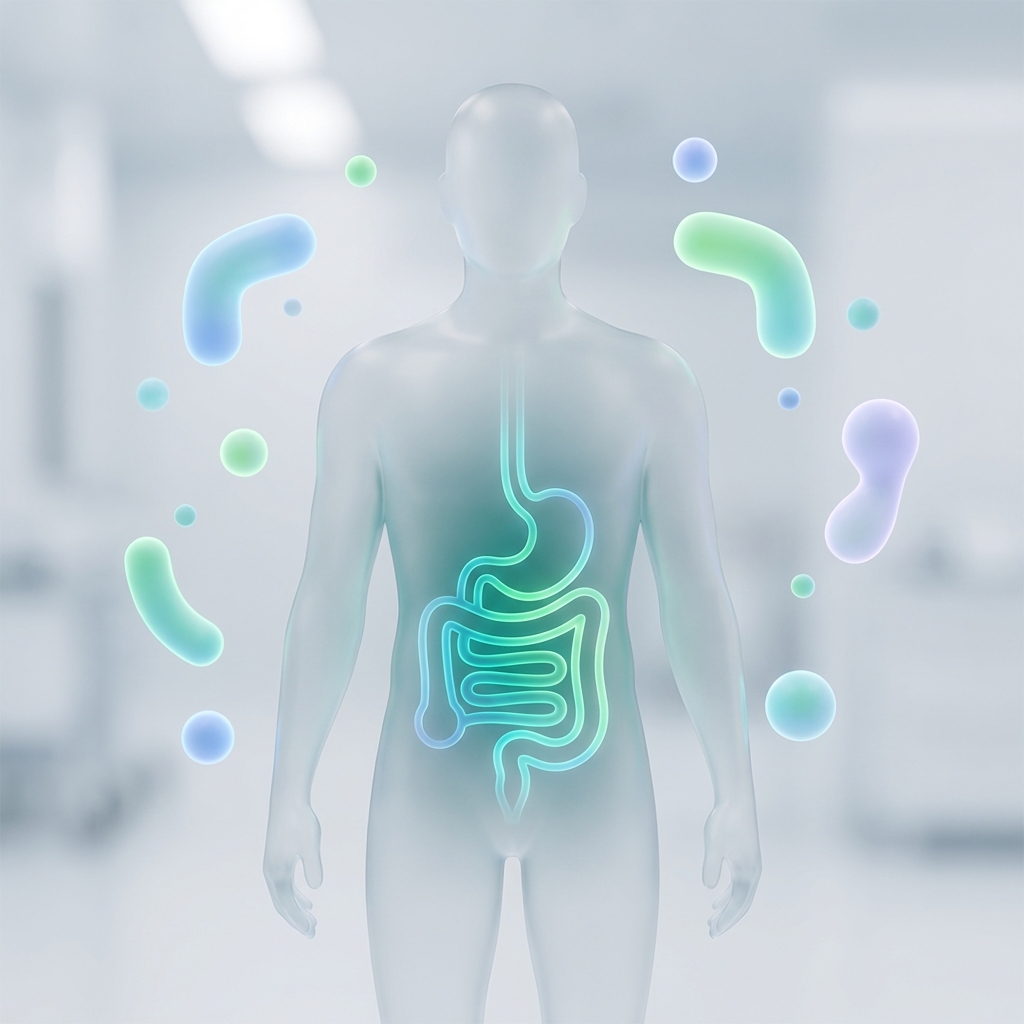
Your gut is home to trillions of microorganisms that play a huge role in your health. These bacteria help digest food, produce vitamins, regulate your immune system, influence your mood, and even affect what foods you crave.
Recent research has shown that your gut microbiome composition significantly influences how you respond to different foods. Studies have found that people with different microbiome profiles can have vastly different glucose responses to identical meals. Some people's gut bacteria efficiently break down fiber and produce beneficial short-chain fatty acids. Others' gut bacteria produce metabolites that increase inflammation.
This explains why some people thrive on high-fiber diets while others experience bloating and digestive discomfort. It's not that fiber is good or bad—it's that your gut bacteria determine how your body processes it.
The good news? Your microbiome is modifiable. Through targeted dietary changes, probiotics, prebiotics, and lifestyle interventions, you can shift your gut bacteria composition toward a healthier profile. But the key is understanding your starting point through microbiome testing, then making personalized changes based on your specific composition.
Nutrigenomics: Your Genes and Your Diet
Your genetic code influences how your body processes nutrients, responds to different foods, and develops disease risk. Nutrigenomics—the study of how genes and nutrients interact—is revealing important individual differences in nutritional needs.
Some genetic variations affect how quickly you metabolize caffeine. If you're a slow metabolizer, that afternoon coffee might still be affecting your sleep at midnight. Others affect how you process saturated fat—some people's cholesterol levels are very responsive to dietary fat, while others' aren't.
Genetic testing can reveal whether you're likely to have deficiencies in certain nutrients, how you respond to different macronutrient ratios, and what dietary patterns might best support your health. This information allows for truly personalized nutrition recommendations.
Companies offering genetic testing for nutrition insights include 23andMe, DNAfit, and Nutrigenomix. While the science is still evolving and genes aren't destiny (lifestyle matters enormously), understanding your genetic predispositions can inform smarter dietary choices.
The Protein Revolution
Protein is having a major moment in functional nutrition circles, and for good reason. Emerging research shows that adequate protein intake might be even more important than we thought—not just for building muscle, but for maintaining metabolic health, supporting satiety, and preserving lean body mass as we age.
The current trend is toward significantly higher protein intake than traditional recommendations. Many functional nutritionists now suggest 1.6-2.2 grams per kilogram of body weight, particularly for people interested in body composition, metabolic health, or healthy aging. That's substantially more than the RDA of 0.8 grams per kilogram.
Why the emphasis on protein? It's the most satiating macronutrient, meaning it keeps you fuller longer and helps prevent overeating. It has a higher thermic effect than carbs or fat, meaning your body burns more calories digesting it. It supports muscle maintenance and growth, which is crucial for metabolism and healthy aging. And adequate protein intake helps stabilize blood sugar when combined with carbohydrates.
But here's where personalization matters: some people feel energized and satiated on high protein diets, while others feel sluggish or experience digestive issues. Your protein needs also depend on your activity level, age, health goals, and individual metabolism. There's no universal perfect amount.
Food Timing and Circadian Nutrition
When you eat might matter almost as much as what you eat. Emerging research in circadian nutrition reveals that our bodies process food differently at different times of day, aligned with our circadian rhythms.
Insulin sensitivity is typically highest in the morning, declining as the day progresses. This means you might handle carbohydrates better at breakfast than at dinner. Your gut microbiome also follows circadian rhythms—eating outside your typical window can disrupt this rhythm and affect digestion and metabolism.
Time-restricted eating—consuming all your food within a consistent daily window, typically 8-12 hours—has shown benefits for metabolic health, weight management, and possibly longevity. But the optimal eating window varies by individual. Some people thrive skipping breakfast and eating later. Others feel terrible without an early meal.
The Anti-Inflammatory Diet Approach
Chronic inflammation is increasingly recognized as a driver of most chronic diseases—heart disease, diabetes, cancer, Alzheimer's, autoimmune conditions. One of the most powerful tools for managing inflammation is diet.
Anti-inflammatory eating emphasizes whole foods rich in antioxidants and polyphenols while minimizing foods that promote inflammation. This typically means lots of colorful vegetables and fruits, fatty fish rich in omega-3s, nuts, seeds, olive oil, herbs and spices. It means limiting processed foods, refined carbohydrates, excessive sugar, and industrially-produced seed oils high in omega-6 fatty acids.
But even within anti-inflammatory guidelines, personalization matters. Some people are sensitive to foods that are generally considered healthy. Nightshades (tomatoes, peppers, eggplant) trigger inflammation in some people but not others. Dairy is inflammatory for some but well-tolerated by others. The only way to know is to pay attention to your individual response.
Functional Testing and Biomarkers
Functional nutrition relies heavily on testing to understand what's actually happening in your body rather than guessing based on symptoms alone. This might include:
Comprehensive metabolic panels that go beyond basic bloodwork to assess nutrient status, inflammatory markers, hormone levels, and metabolic function. Gut microbiome testing through stool analysis to identify bacterial imbalances, pathogens, or digestive issues. Food sensitivity testing to identify immune reactions to specific foods (though these tests have limitations and controversy). Continuous glucose monitoring to track real-time metabolic responses. Organic acid testing to assess nutrient deficiencies, gut health, and metabolic function.
This testing isn't typically covered by insurance and can be expensive. But proponents argue it provides valuable data that allows for targeted interventions rather than trial-and-error approaches.
The Mediterranean Diet Gets Personal
If there's one dietary pattern that has the most research supporting its health benefits, it's the Mediterranean diet. Study after study has linked it to reduced risk of heart disease, better cognitive function, lower inflammation, and increased longevity.
But even the Mediterranean diet—with its emphasis on olive oil, fish, vegetables, whole grains, legumes, and moderate wine—benefits from personalization. Some people do better with more fish and less grain. Others need to limit wine entirely. The ratio of fat to carbohydrates that works best varies by individual.
The core principles are solid: emphasize whole foods, healthy fats, plenty of plants, moderate animal protein. But the exact implementation should be tailored to your biology, preferences, and lifestyle.
The Problem with Orthorexia and Food Fear
One concerning trend alongside personalized nutrition is the development of orthorexia—an unhealthy obsession with eating "perfectly" healthy foods. When you start tracking every metric, eliminating foods based on test results, and becoming anxious about dietary choices, personalized nutrition can backfire.
The goal of functional nutrition should be empowerment and optimization, not fear and restriction. Yes, understanding your body's responses to different foods is valuable. But becoming so rigid that you can't enjoy meals with friends or feel anxious about every bite defeats the purpose.
Good health includes psychological wellbeing and social connection. Sometimes the most nourishing choice is eating foods that don't optimize every biomarker but do nourish your relationships and joy.
Making Functional Nutrition Accessible
The biggest criticism of functional nutrition is accessibility. Comprehensive testing costs hundreds or thousands of dollars and typically isn't covered by insurance. Working with functional nutritionists is expensive. CGMs, microbiome tests, and genetic testing add up quickly.
But you don't need all the fancy testing to start personalizing your diet. Begin with paying attention:
Keep a food and symptom journal: Track what you eat and how you feel—energy, mood, digestion, sleep, hunger. Look for patterns over time.
Experiment methodically: Change one variable at a time and observe results. Try different breakfast options and note which keeps you satiated longest. Test different eating windows and see which feels best.
Use technology wisely: Even free apps that track food and symptoms can provide useful insights. If CGM is too expensive, at-home glucose meters are much cheaper and can still give you useful data.
Start with the basics: Prioritize whole foods, adequate protein, plenty of vegetables, healthy fats. Get good sleep. Manage stress. These fundamentals matter more than optimizing every micronutrient.
Listen to your body: Your body provides constant feedback if you learn to listen. Do you feel energized or sluggish after meals? Are you satisfied or still hungry? Do certain foods cause digestive issues or skin problems?
The Future Is Increasingly Personal
As we move further into 2025 and beyond, expect personalized nutrition to become more sophisticated and accessible. AI platforms are emerging that can analyze your data and provide personalized recommendations. The cost of testing is gradually decreasing. More healthcare providers are being trained in functional medicine approaches.
We're moving away from the era of arguing whether carbs or fat is the enemy, whether you should eat six small meals or practice intermittent fasting, whether plant-based or omnivorous is optimal. The answer to all these questions is: it depends on the individual.
Your optimal diet is the one that makes you feel energized, maintains stable blood sugar, supports healthy body composition, provides adequate nutrients, reduces inflammation, and is sustainable for your lifestyle and preferences. What that looks like in practice will be different for you than for anyone else.
The end of one-size-fits-all diets doesn't mean nutrition is chaos where anything goes. It means we're finally sophisticated enough to recognize that good nutrition is personal. Your job is to become the expert on your own body, using available tools and data to inform choices that genuinely support your functional health and longevity.
And that's a much more empowering approach than blindly following the latest dietary trend and hoping it works for you.
Frequently Asked Questions
What is the difference between personalized nutrition and general nutrition? General nutrition provides broad recommendations meant for the entire population, like standard food pyramids. Personalized nutrition tailors dietary advice to your unique biological and lifestyle needs, factoring in your genetics, metabolism, and microbiome.
Can personalized nutrition help with weight management? Absolutely. By understanding your specific metabolic responses and creating a plan based on your unique biology, personalized nutrition helps build a more effective, sustainable strategy for weight loss or maintenance compared to crash diets.
Do I need expensive tests like DNA or microbiome analysis to start? Not necessarily. While a custom diet plan based on DNA or advanced gut microbiome testing can provide incredible insights, you can start by simply keeping a food and symptom journal, using an at-home glucose meter, and paying closer attention to how your body responds to different foods.
Is personalized nutrition only for people with chronic health conditions? No. While it is highly beneficial for managing conditions like insulin resistance or high blood pressure, it is equally valuable for healthy individuals looking to optimize their daily energy, boost cognitive focus, and support healthy aging.
Medical Disclaimer: This article is for informational purposes only and does not constitute medical advice. Always consult a qualified healthcare provider.
Frequently Asked Questions
What is the difference between personalized nutrition and general nutrition?
General nutrition provides broad recommendations meant for the entire population, like standard food pyramids. Personalized nutrition tailors dietary advice to your unique biological and lifestyle needs, factoring in your genetics, metabolism, and microbiome.
Can personalized nutrition help with weight management?
Absolutely. By understanding your specific metabolic responses and creating a plan based on your unique biology, personalized nutrition helps build a more effective, sustainable strategy for weight loss or maintenance compared to crash diets.
Do I need expensive tests like DNA or microbiome analysis to start?
Not necessarily. While a custom diet plan based on DNA or advanced gut microbiome testing can provide incredible insights, you can start by simply keeping a food and symptom journal, using an at-home glucose meter, and paying closer attention to how your body responds to different foods.
Is personalized nutrition only for people with chronic health conditions?
No. While it is highly beneficial for managing conditions like insulin resistance or high blood pressure, it is equally valuable for healthy individuals looking to optimize their daily energy, boost cognitive focus, and support healthy aging.