
The Fiber-First Diet: A Simple Way to Support Gut and Metabolic Health
A practical guide to increasing fiber through real foods, supporting digestion, blood sugar balance, fullness, and long-term heart health.
Written by: Health Focus Research Team
Last updated: May 16, 2026 | Reading time: 8 minutes
Most nutrition advice starts with restriction: eat less sugar, less fat, fewer calories, fewer snacks. The fiber-first approach starts differently. It asks one question before every meal: What fiber-rich food am I adding?
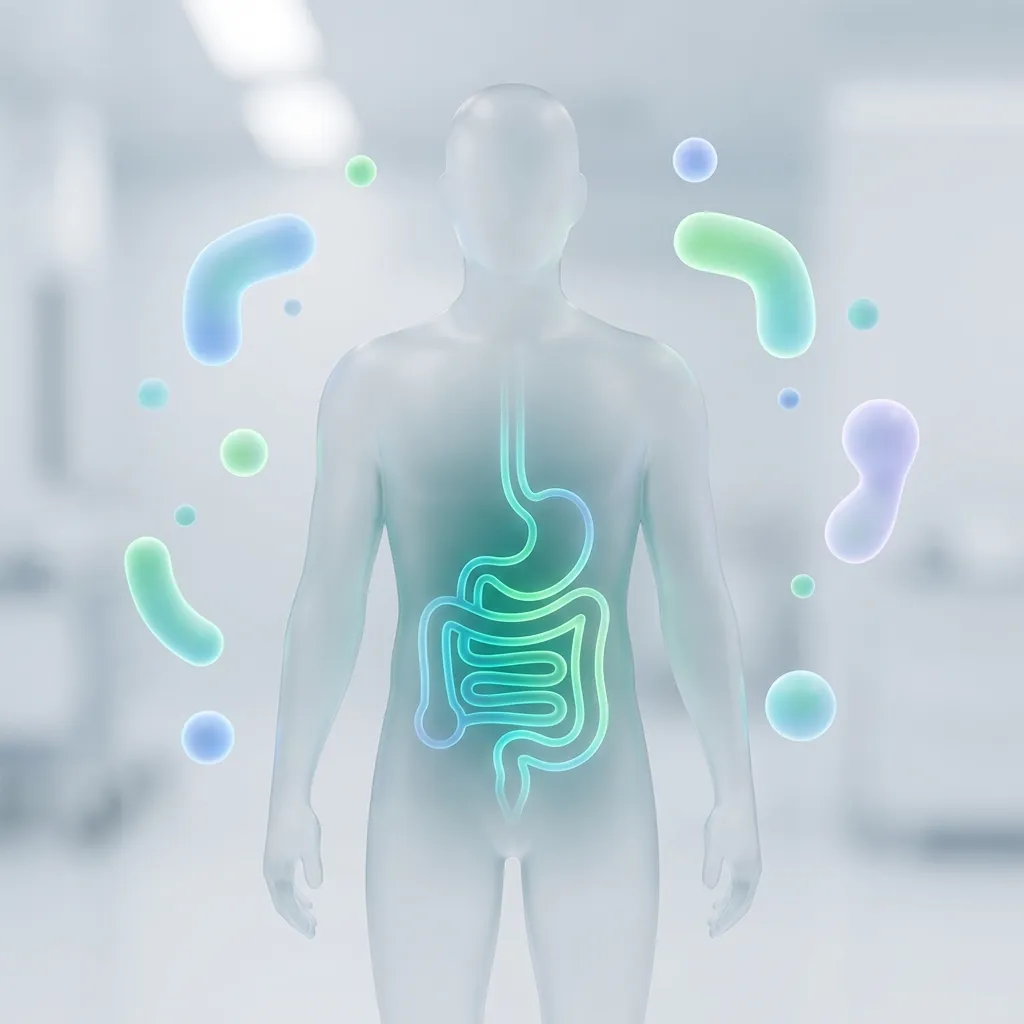
Dietary fiber is found in plant foods such as beans, lentils, vegetables, fruit, oats, nuts, seeds, and whole grains. It supports digestive regularity, helps feed beneficial gut microbes, and can make meals more filling.
Why Fiber Is a Keystone Habit
Fiber changes the meal environment. When you add fiber before or alongside refined carbohydrates, the meal often becomes slower to digest and more satisfying. This can help reduce the sharp hunger rebound that many people experience after low-fiber meals.
Fiber-rich diets are commonly associated with:
- Better bowel regularity
- Greater fullness after meals
- More diverse gut fermentation patterns
- Improved cholesterol-related markers in some people
- More stable post-meal energy
The Fiber-First Plate Formula
Build meals in this order:
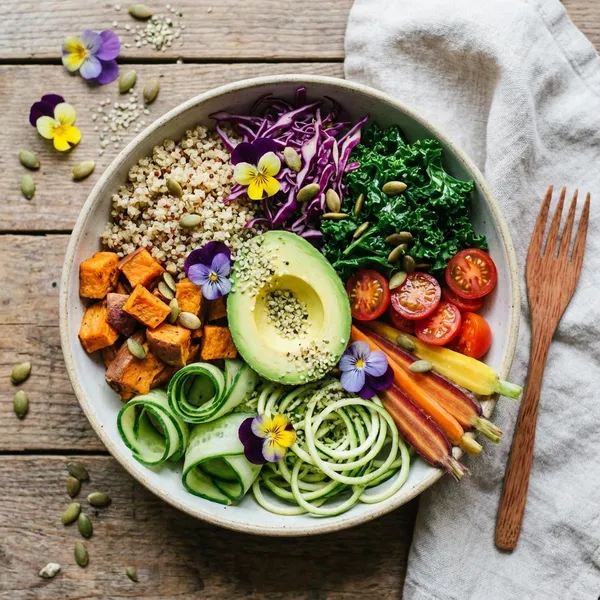
- Start with plants: leafy greens, cruciferous vegetables, peppers, carrots, squash, berries, apples, or citrus.
- Add legumes when possible: beans, lentils, chickpeas, split peas, or edamame.
- Choose slower carbohydrates: oats, barley, quinoa, potatoes with skin, or intact whole grains.
- Add protein and healthy fats: eggs, fish, tofu, Greek yogurt, poultry, olive oil, avocado, nuts, or seeds.
This approach is flexible. It works with Mediterranean, vegetarian, high-protein, budget, and family-style eating patterns.
How to Increase Fiber Without Bloating
A sudden jump in fiber can cause gas, bloating, or cramping. Progress slowly.
Week 1: Add one serving of fruit or vegetables daily.
Week 2: Add beans or lentils three times per week.
Week 3: Swap one refined grain for oats, barley, or a whole-grain option.
Week 4: Add chia, flax, nuts, or seeds to breakfast.
Drink enough fluids as you increase fiber. Fiber and hydration work together.
Easy High-Fiber Meal Ideas
- Oatmeal with chia seeds, berries, and walnuts
- Lentil soup with a side salad
- Turkey or tofu bowl with black beans and roasted vegetables
- Greek yogurt with ground flax and raspberries
- Whole-grain toast with avocado and tomato
- Chickpea pasta with spinach and olive oil
When Fiber Needs Medical Guidance
People with inflammatory bowel disease flares, bowel strictures, gastroparesis, recent GI surgery, or certain digestive disorders may need individualized fiber advice. If fiber worsens symptoms significantly, do not force it—get professional guidance.
The Bottom Line
Fiber-first eating is not a diet trend. It is a practical way to make ordinary meals more supportive of digestion, fullness, heart health, and metabolic stability. Start small, build slowly, and let plants do more of the work.
References & Educational Sources:
- NIH Research Matters: Health Benefits of Dietary Fibers Vary
- NIDDK: Health Tips for Adults
- MedlinePlus: Dietary Fiber
Disclaimer: This content is educational and does not replace medical nutrition therapy. Talk with a registered dietitian or clinician if you have digestive disease, diabetes, kidney disease, or a medically restricted diet.
Read Next
The Science of Mindful Eating: A Clinically-Backed Guide to Transforming Your Relationship With Food
Stop counting calories and start listening to your body. Learn how mindful eating, backed by clinical research, can reduce binge eating, lower BMI, and permanently change your relationship with food.
Dec 30
Are Ultra-Processed Foods Destroying American Health? What the Latest Research Shows
Ultra-processed foods make up 57% of American calorie intake. New research from NIH, Harvard, and the BMJ links them to obesity, depression, cancer, and premature death. Here's everything you need to know.
Feb 28
Creatine for Women: What Science Actually Says About This Misunderstood Supplement
Creatine is not just for bodybuilders. Backed by over 500 peer-reviewed studies, it offers proven benefits for women's muscle health, hormonal balance, brain function, and perimenopause management.
Feb 28