The Most Powerful Vagus Nerve Stimulation Techniques You Can Do at Home
Health Focus Team
Published
The vagus nerve is your body's anxiety brake pedal. Discover powerful vagus nerve stimulation techniques at home to improve vagal tone and relieve stress.
Written by: Health Focus Research Team
Medically Reviewed by: Dr. Sarah Chen, MD, PhD – Neurologist & Functional Medicine Practitioner (10+ years experience)
Last updated: February 28, 2026 | Reading time: 7 minutes
In 2026, the phrase "vagus nerve" is everywhere. It has moved from the pages of dense neurology textbooks right into mainstream wellness culture.
But what exactly is it, and why does everyone suddenly care about it?
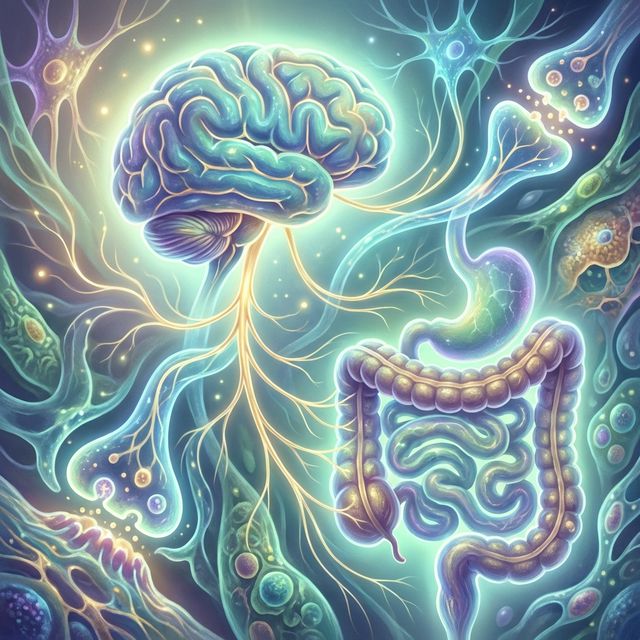
The vagus nerve (cranial nerve X) is the longest and most complex of the cranial nerves. The word "vagus" literally means "wanderer" in Latin, which is incredibly accurate. It wanders from the brainstem entirely down the neck, spreading like a massive, intricate net over the heart, lungs, and all digestive organs.
It is the singular, biological superhighway that commands your Parasympathetic Nervous System (the "rest and digest" or "feed and breed" system). When your vagus nerve is highly stimulated (a state called high vagal tone), your heart rate slows down, your blood pressure drops, your digestion kicks into high gear, and your brain receives a powerful, undeniable biological signal that you are safe.
When it is deeply under-stimulated (low vagal tone), you are trapped in chronic "fight or flight" anxiety, suffering from IBS, digestive issues, and a racing heart. If you've been wondering about the signs of poor vagal tone, these chronic symptoms are often the biggest red flags.
Expert Insight:
"You cannot out-think a dysregulated nervous system; you must out-feel it," explains neurologist Dr. Sarah Chen. "When a patient is having a panic attack, cognitive behavioral therapy often fails because the brain's language center is offline. The only way to stop the panic is to use the actual physical 'wiring' of the body—specifically the vagus nerve—to send a biological override signal to the brainstem."
While scientists are testing electrical vagus nerve stimulators implanted in the chest to treat treatment-resistant depression and epilepsy, you do not need surgery to activate it. Because the vagus nerve passes through entirely accessible parts of your body, you can physically hack it.
If you want to know exactly how to stimulate the vagus nerve for anxiety, here are the most powerful, biologically proven vagus nerve exercises for stress relief you can do right in your living room.
1. The Ice Water Face Plunge (The Mammalian Dive Reflex)
This is the ultimate nuclear option for stopping a panic attack in its tracks.
The trigeminal and facial nerves (which blanket your forehead, cheeks, and lips) are deeply interconnected with the vagus nerve in the brainstem. When these specific nerves are suddenly exposed to freezing cold fluid, it triggers an ancient biological survival mechanism called the Mammalian Dive Reflex.
When your face hits the ice water, your brain thinks: "I am diving deep under a frozen ocean. I must instantly conserve oxygen." The vagus nerve immediately slams the brakes on your heart rate, forcing it to drop by 10% to 25% within mere seconds. It instantly overrides the panic loop.
How to do it: Fill a large bowl with cold water and ice cubes. Hold your breath and submerge your face (specifically ensuring the area below your eyes and above your cheekbones hits the water) into the bowl for 15 to 30 seconds. If you cannot do a bowl, splash freezing sink water onto your face repeatedly, or hold a frozen gel pack against your eyes and cheeks for 60 seconds.
2. Diaphragmatic "Sigh" Breathing
The vagus nerve passes directly through the diaphragm (your primary breathing muscle). How you breathe directly dictates what the vagus nerve reports to the brain.
If you are breathing rapidly and shallowly into your upper chest (which most of us do while staring at our phones or laptops), the vagus nerve tells the brain you are running from a predator. The brain responds by dumping cortisol.
If you take slow, deep breaths into your belly, and make your exhale twice as long as your inhale, the diaphragm expands fully downward, physically massaging the vagus nerve.
How to do it: Inhale slowly through your nose for a count of 4, feeling your belly expand like a balloon (not your chest). Pause for 1 second. Exhale slowly through pursed lips (like blowing out a candle) for a count of 8. The prolonged exhale is what actively engages the vagus nerve. Repeat for 5 minutes.
3. Deep Vocal Vibration (Chanting, Singing, and "Voo"ing)
The vagus nerve is directly connected to your vocal cords and the muscles at the back of your throat. Because of this physiological reality, you can literally "vibrate" the nerve into a state of deep relaxation.
This is the exact biological reason why ancient practices like chanting "Om" in yoga or Gregorian singing in churches induce states of profound, almost trance-like calm.
How to do it (The Peter Levine "Voo" technique): Sit comfortably and take a deep breath into your belly. As you exhale, make a deep, low-pitched, resonant "Vooooo" sound. Focus strictly on making the vibration happen low in your chest and belly, rather than high in your nose or throat. Direct the vibration down into your gut. Do this for 3 to 5 full breaths. The sheer physical vibration tones the vagus nerve and instantly signals safety to the digestive tract.
A simpler alternative: Gargling
If you don't want to chant, simply take a sip of water and gargle aggressively for 60 seconds. You want to gargle hard enough that your eyes start to water slightly to ensure the muscles in the back of the throat are fully contracting against the vagus nerve.
Vagus Nerve Hack Comparison
| Technique | Time Required | Best Used For | Biological Mechanism |
|---|---|---|---|
| Ice Water Plunge | 30 seconds | Active Panic Attacks | Triggers Mammalian Dive Reflex |
| 4-7-8 Breathing | 3-5 minutes | General Anxiety, Insomnia | Diaphragmatic compression of the nerve |
| "Voo" Chanting | 2 minutes | Digestive distress, IBS | Vocal cord vibration |
| Right-Side Sleep | 8 hours | Lowering resting HR | Mechanical alignment of the sinuatrial node |
4. Cold Exposure on the Lateral Neck (A Simple Vagus Nerve Reset)
If you don't want to plunge your entire face into ice water, you can target the carotid sinus.
The vagus nerve runs directly down both sides of your neck, literally millimeters away from the carotid artery. Applying intense cold specifically to the lateral sides of your neck directly cools the blood flow and stimulates the vagus nerve receptors located there.
How to do it: Take an ice cube or a frozen gel pack and press it directly onto the side of your neck, roughly three inches below your earlobe, right next to where you can feel your pulse. Hold it there for 1-2 minutes on each side.
5. Sleeping on Your Right Side
Your sleep position profoundly affects vagal tone and heart rate variability (HRT).
The right vagus nerve heavily innervates the sinoatrial node of the heart (the heart's natural pacemaker). Research has shown that sleeping specifically on the right side of the body appears to exert the greatest degree of vagal stimulation, resulting in the deepest, most restorative sleep with the lowest resting heart rate. (Sleeping flat on your back or on your left side often results in higher sympathetic arousal).
How to do it: Consciously attempt to fall asleep on your right side. Use a body pillow between your knees to keep your hips aligned and prevent rolling onto your back or left side during the night.
The Bottom Line
You do not need a prescription to stop a racing heart, soothe IBS, or escape a panic attack.
Your biology has built-in brake pedals. By learning how to improve vagal tone naturally through cold exposure, profound exhalation, and precise vocal vibration, you can bypass your anxious thoughts entirely and command your body to rest. Which technique will you try the next time you feel overwhelmed?
Frequently Asked Questions
How long does it take to stimulate the vagus nerve?
When using acute methods like the ice water face plunge, you can stimulate the vagus nerve and feel a drop in heart rate within 30 to 60 seconds. However, building long-term baseline "vagal tone" through daily breathing exercises or singing takes consistent practice over weeks or months, much like training a muscle at the gym.
What are the signs of poor vagal tone?
Common signs of poor vagal tone include chronic anxiety, resting heart rates that remain high even when you're relaxing, frequent digestive issues like bloating or IBS, difficulty falling asleep, and struggling to calm down after a stressful event. Your body essentially gets stuck in "fight or flight" mode.
Can you stimulate the vagus nerve too much?
For healthy individuals doing non-invasive, at-home vagus nerve exercises (like deep breathing or cold splashes), it is very difficult to over-stimulate it. However, if you have a pre-existing heart condition or low blood pressure, aggressive cold exposure could potentially cause fainting or arrhythmias, so always check with your doctor first.
Does sleeping on your side stimulate the vagus nerve?
Yes, specifically sleeping on your right side. The right vagus nerve heavily controls your heart's natural pacemaker (the sinoatrial node). Right-side sleeping provides mechanical alignment that promotes optimal vagal stimulation, helping to lower your resting heart rate and improve sleep quality.
References & Clinical Sources:
- Respiratory vagal stimulation: The effect of prolonged exhalation on heart rate variability - Scientific Reports (2024)
- The Vagus Nerve and The Inflammatory Reflex: Linking Immunity and Metabolism - Neuroscience & Biobehavioral Reviews (2025)
- Vagus nerve anatomy and the mammalian dive reflex - Clinical Anatomy (2024)
Disclaimer: The content on Health Focus is for informational and educational purposes only and is not intended as medical advice, diagnosis, or treatment. Always consult with a qualified healthcare provider regarding your mental or physical health.
About the Reviewer:
Dr. Sarah Chen, MD, PhD is a neurologist and functional medicine practitioner who bridges the gap between conventional neurology and holistic nervous system regulation. She specializes in using somatic techniques to treat chronic stress, anxiety, and trauma-induced dysfunction.
Medical Disclaimer: This article is for informational purposes only and does not constitute medical advice. Always consult a qualified healthcare provider.