How Gen Z is Re-writing the Rules of Drinking: The 'Sober Curious' Wave
Health Focus Team
Published
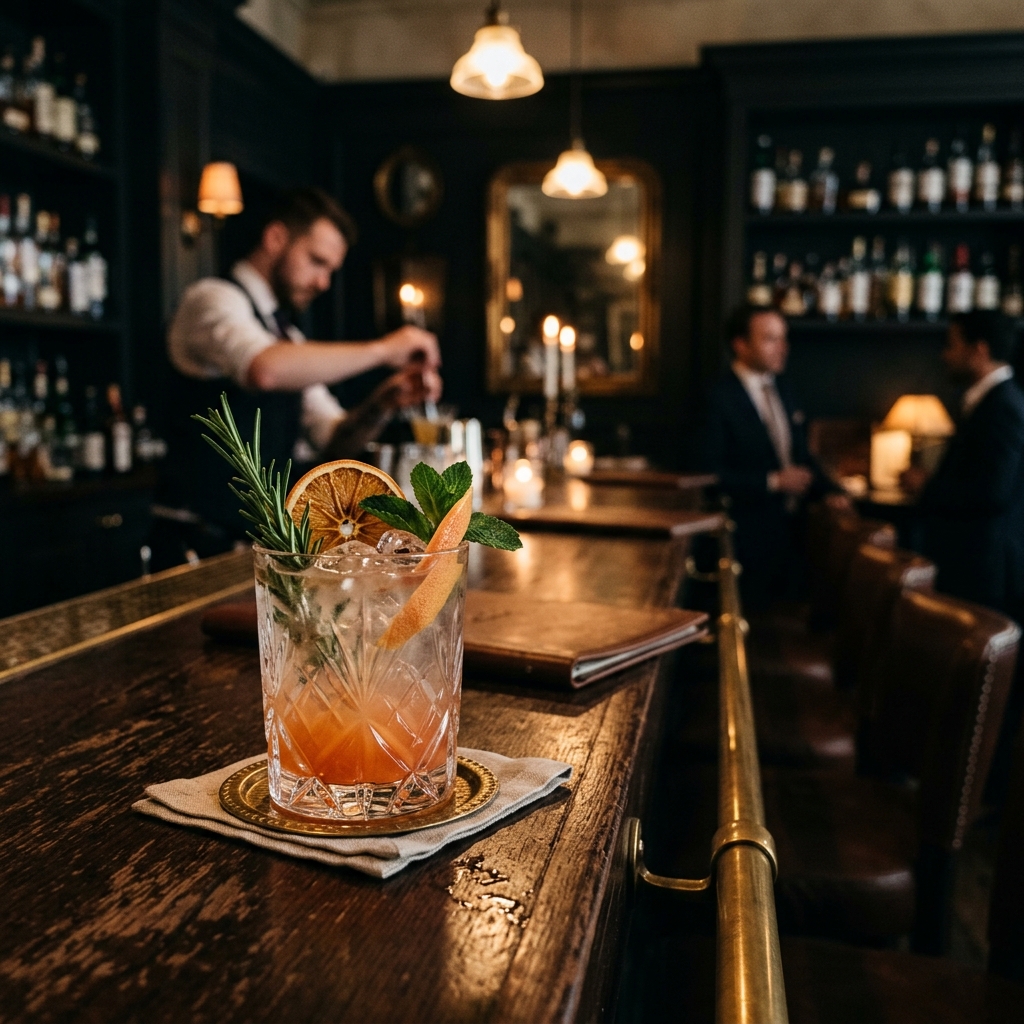
Why alcohol consumption among young adults has plummeted, the rise of the 'sober curious' movement, and the neurobiology of alcohol-free living.
Written by: Health Focus Research Team Medically Reviewed by: Dr. Michael Chen, MD, FACC – Preventive Cardiologist Last updated: August 3, 2026 | Reading time: 7 minutes
⚠️ Medical Disclaimer: This article is for educational and informational purposes only. If you believe you have an alcohol use disorder, seek professional medical help before stopping, as severe alcohol withdrawal can be medically dangerous.
For decades, the cultural narrative in the US and the UK was clear: adulthood and socialization were inextricably linked to alcohol. From the after-work happy hour to the weekend binge, drinking was the default setting.
In 2026, that default setting has been dramatically reset.
Led by Gen Z and rapidly adopted by Millennials, the "Sober Curious" movement is fundamentally altering the hospitality industry, social dynamics, and public health. Recent epidemiological data shows that alcohol consumption among adults under 30 has dropped by more than 25% over the last five years.
They aren't necessarily in recovery. They aren't traditional teetotalers. They are simply asking a radical question: Does alcohol actually add value to my life?
The Neurobiology of "Hangxiety"
One of the primary drivers of the Sober Curious movement is an unprecedented cultural focus on mental health. Young adults are hyper-aware of their nervous systems, and alcohol is a neurological wrecking ball.
When you consume alcohol, it mimics gamma-aminobutyric acid (GABA), the brain's primary inhibitory neurotransmitter. This creates the initial feeling of relaxation and sociability. However, the brain seeks homeostasis. Recognizing the artificial influx of GABA, the brain down-regulates its own natural GABA production and spikes glutamate, an excitatory neurotransmitter.
When the alcohol wears off, the brain is left with a massive deficit of calming GABA and an ocean of excitatory glutamate. This chemical imbalance triggers severe rebound anxiety—commonly known as "hangxiety."
For a generation already battling historically high rates of clinical anxiety and depression, trading two hours of chemically induced relaxation for 24 hours of crippling panic is a math equation that no longer makes sense.
The Death of the "Healthy Alcohol" Myth
The shift in behavior has been accelerated by a major shift in clinical consensus.
For years, the public was comforted by the myth of the "French Paradox"—the idea that a glass of red wine a day was cardioprotective due to resveratrol.
By 2023, the World Health Organization (WHO) released an unequivocal statement: There is no safe level of alcohol consumption that does not affect health.
The ethanol in alcohol breaks down into acetaldehyde, a toxic compound and Group 1 carcinogen. The latest data links even moderate alcohol consumption (3-6 drinks per week) to increased risks of breast cancer, colon cancer, and accelerated brain atrophy (shrinkage). Armed with this data, the longevity-obsessed wellness culture quickly categorized alcohol as a neurotoxin rather than a treat.
The Rise of the Zero-Proof Economy
The most visible consequence of this cultural shift is the explosion of the zero-proof economy.
Bars and restaurants in London, New York, and Los Angeles are no longer relegating non-drinkers to tap water or sugary sodas. Premium mocktails, crafted with complex botanical distillates, adaptogens, and nootropics, now command the same real estate (and price points) on menus as traditional cocktails.
Brands utilizing functional ingredients like L-theanine, Ashwagandha, and Lion's Mane are marketing "euphorics"—beverages designed to mimic the relaxing, social lubrication of alcohol without the ethanol toxicity.
The Social Freedom of Opting Out
Historically, choosing not to drink required an explanation. You were either pregnant, driving, on antibiotics, or an alcoholic.
The Sober Curious movement has normalized the choice to simply not drink today. It is treated as a dietary preference, akin to choosing a vegetarian meal.
This has resulted in a profound shift in social dynamics. Weekend socializing is moving away from the dark, loud confines of the nightclub and toward daylight activities: run clubs, boutique fitness classes, coffee walks, and wellness retreats.
The Takeaway
The decline in alcohol consumption isn't a puritanical revival; it is an optimization strategy. Gen Z is prioritizing sleep architecture, emotional regulation, and long-term vitality over a fleeting buzz.
As the Sober Curious wave continues to swell, it is forcing society to decouple connection from intoxication—proving that you don't need a depressant to have a good time.
Medical Disclaimer: This article is for informational purposes only and does not constitute medical advice. Always consult a qualified healthcare provider.
Related Articles
Men's Mental Health in America: Why Men Are Suffering in Silence and What Needs to Change
Feb 28, 2026
Why Your Nervous System Is Stuck in Survival Mode (And How to Reset It)
Feb 18, 2026

The Great Unplugging: Why 2025 Is the Year of Digital Detox and Analog Wellness
Jan 19, 2026