The 'Sleep Divorce' Trend: Why 30% of Couples Are Sleeping Apart in 2026
Health Focus Team
Published

Discover why the stigma around 'sleep divorce' is vanishing, and how prioritizing sleep architecture over shared beds is saving both health and relationships.
Written by: Health Focus Research Team Medically Reviewed by: Dr. Elena Rostova, PhD – Sleep Medicine & Chronobiology Last updated: August 3, 2026 | Reading time: 6 minutes
⚠️ Medical Disclaimer: This article is for educational and informational purposes only and is not intended to replace medical or psychological advice.
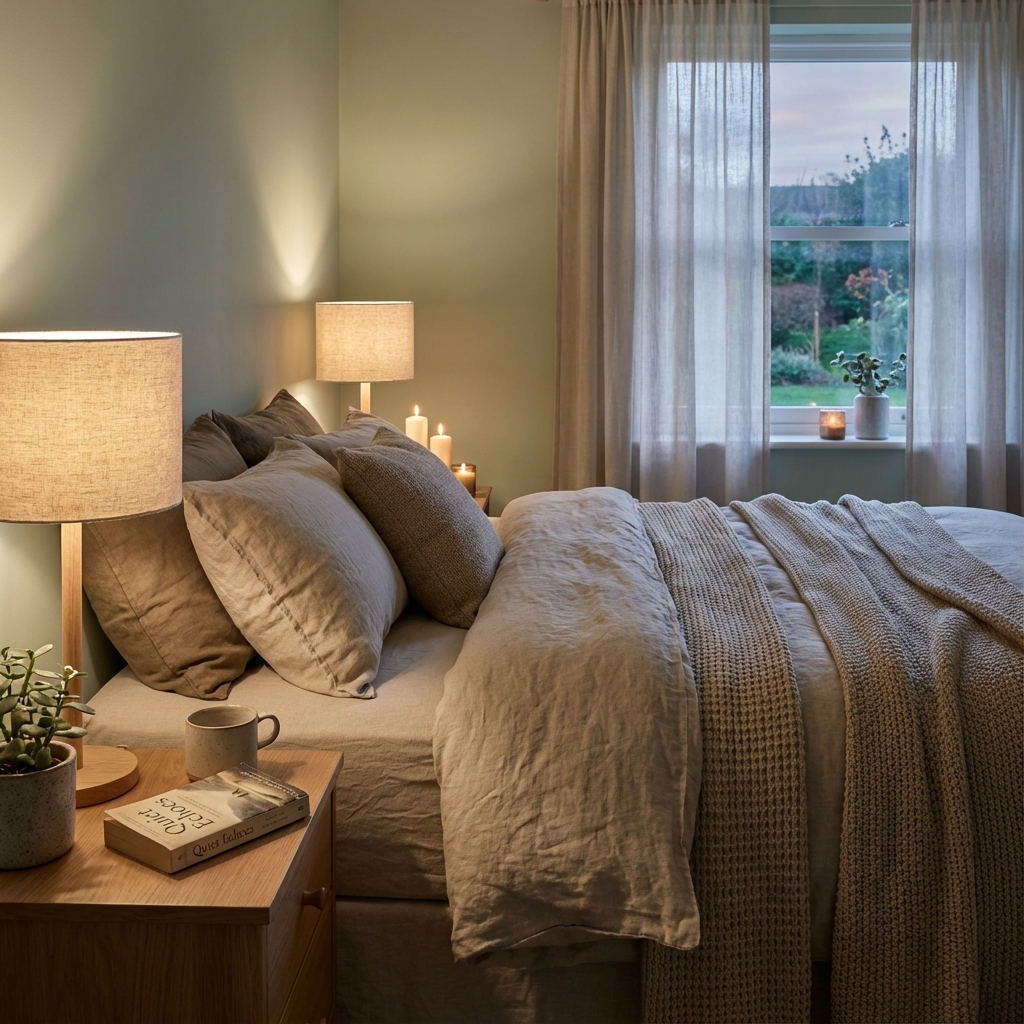
For generations, the shared marital bed was viewed as the ultimate symbol of intimacy. A couple choosing to sleep in separate beds—or entirely different rooms—was culturally interpreted as a red flag, a quiet signal that a relationship was on the rocks.
In 2026, that stigma is officially dead.
Welcome to the era of the "sleep divorce." Recent surveys suggest that nearly 30% of American and British couples are intentionally choosing to sleep apart, not out of marital strife, but out of a profound commitment to their individual health and the longevity of their relationship.
Here is the science behind why couples are prioritizing sleep architecture over shared sheets.
The Biology of Sleep Disruption
Humans are notoriously sensitive sleepers. Our circadian rhythms, core body temperatures, and sleep chronotypes are highly individualized. Attempting to synchronize two distinct biological systems in one bed every single night is often a recipe for chronic sleep deprivation.
When you sleep with a partner, you are subjected to:
- Micro-Arousals: Every time your partner rolls over, kicks, or adjusts the blanket, your brain experiences a "micro-arousal." You may not fully wake up, but these tiny interruptions pull you out of deep, restorative slow-wave sleep and REM sleep. Over time, this drastically degrades sleep quality.
- Temperature Incompatibility: Core body temperature needs to drop by about 1 to 2 degrees Fahrenheit to initiate and maintain sleep. If you run hot (or are experiencing perimenopausal hot flashes) and your partner prefers a heavy duvet, one of you will suffer compromised sleep.
- The Snorer’s Toll: Studies have shown that sleeping next to a chronic snorer can cause the non-snoring partner to lose up to an hour of sleep per night. Furthermore, the noise can trigger a stress response in the non-snorer, elevating cortisol levels during the night.
The Health Consequences of Shared Sleeplessness
The impact of poor sleep extends far beyond feeling groggy. Chronic sleep disruption is fundamentally detrimental to human health.
- Metabolic Disruption: Just a few nights of fragmented sleep can decrease insulin sensitivity, mimicking the early stages of type 2 diabetes. It also dysregulates ghrelin and leptin, the hormones that control hunger and satiety, leading to increased cravings for high-calorie foods.
- Cardiovascular Strain: Fragmented sleep keeps the sympathetic nervous system (the "fight or flight" response) slightly activated during the night, preventing the restorative drop in blood pressure that the heart needs.
- Emotional Dysregulation: The amygdala—the brain's emotional processing center—becomes highly reactive when sleep-deprived. This means minor relationship irritations can quickly escalate into major conflicts. In a cruel twist of irony, sleeping together to foster intimacy can lead to the sleep deprivation that destroys it.
Reframing Intimacy
The primary argument against sleep divorce has always been the loss of intimacy. However, couples practicing intentional separation report that intimacy actually improves when both partners are well-rested.
Modern couples are redefining intimacy by scheduling time for connection, physical affection, and sex before separating for the night to sleep. Intimacy becomes a conscious act, rather than a passive byproduct of proximity.
How to Try a Sleep Divorce Successfully
If you and your partner are considering a sleep divorce, communication is critical to ensure neither person feels rejected.
- Start as a Trial: Frame it as a one-week experiment focused entirely on health and energy levels.
- Maintain Pre-Sleep Rituals: Spend time reading, talking, or cuddling in the same bed before one partner moves to their separate sleeping space.
- Assess the Data: If you use sleep trackers (like an Oura ring or Whoop strap), compare your deep sleep and REM metrics from the shared nights versus the separated nights. The data often speaks for itself.
- Embrace the "Scandinavian Sleep Method": If separate rooms aren't possible, consider the Scandinavian approach: sleeping in the same bed but using two entirely separate twin-sized duvets. This eliminates the blanket tug-of-war and allows for individualized temperature control.
The cultural shift toward the sleep divorce represents a maturation in how we view wellness. We are finally recognizing that a healthy relationship requires two healthy, emotionally regulated, and well-rested individuals. Sometimes, the most romantic thing you can do for your partner is to leave the room and let them sleep.
Medical Disclaimer: This article is for informational purposes only and does not constitute medical advice. Always consult a qualified healthcare provider.