Ozempic vs. Wegovy: What US & UK Doctors Aren't Telling You
Health Focus Team
Published

Discover the hidden truths, side effects, and long-term realities of GLP-1 medications like Ozempic and Wegovy that are sweeping the US and UK.
Written by: Health Focus Research Team Medically Reviewed by: Dr. Michael Chen, MD, FACC – Preventive Cardiologist Last updated: August 3, 2026 | Reading time: 8 minutes
⚠️ Medical Disclaimer: This article is for educational and informational purposes only. GLP-1 medications must be prescribed and monitored by a qualified healthcare provider.
In 2026, it is virtually impossible to have a conversation about weight loss, metabolic health, or the pharmaceutical industry without mentioning GLP-1 receptor agonists. Drugs like Ozempic (approved for type 2 diabetes) and Wegovy (approved for weight loss) have fundamentally altered the landscape of obesity treatment in both the United States and the United Kingdom.
But as these medications transition from medical breakthroughs to cultural phenomenons, the narrative has often outpaced the nuanced clinical reality. While they offer life-changing benefits for many, there are unspoken truths about these medications that patients frequently discover only after they begin treatment.
Here is what US and UK doctors often don't emphasize enough before prescribing Ozempic or Wegovy.
1. The Muscle Mass Mirage
Perhaps the most significant under-discussed side effect of GLP-1 medications is their impact on body composition.
When you lose weight rapidly on a GLP-1 agonist, you are not just losing adipose tissue (fat); you are also losing lean muscle mass. Some clinical studies have suggested that up to 30-40% of the weight lost on these medications can be lean mass.
Why this matters: Lean muscle mass is the engine of your metabolism and the scaffolding of your longevity. Rapid muscle loss can lead to:
- Decreased basal metabolic rate (making future weight maintenance harder)
- Sarcopenia (age-related muscle loss) occurring prematurely
- Decreased bone density and increased frailty risk
The Solution: Doctors are increasingly realizing that GLP-1 prescriptions must be paired with aggressive strength training protocols and high-protein diets (aiming for 1.2 to 1.6 grams of protein per kilogram of ideal body weight).
2. "Ozempic Face" and Skin Elasticity
The colloquial term "Ozempic face" refers to the hollowed, sagging facial appearance some patients develop. While often framed as a cosmetic issue, it highlights a physiological reality of rapid weight loss.
Skin elasticity depends heavily on age, genetics, and the rate of weight loss. When weight is lost very rapidly—as is common with high doses of semaglutide—the skin does not have time to retract. This isn't a unique side effect of the drug itself, but rather a consequence of the unprecedented speed of the weight loss it facilitates.
3. The Rebound Reality
What happens when you stop taking Wegovy or Ozempic?
For a vast majority of patients, the weight returns. Clinical trials, notably the STEP 1 extension study, demonstrated that patients regained an average of two-thirds of their lost weight within one year of discontinuing semaglutide. Furthermore, cardiometabolic improvements (like blood pressure and lipid profiles) reverted toward baseline.
The Unspoken Truth: For many people, GLP-1 medications are a lifelong commitment, much like statins for cholesterol or antihypertensives for blood pressure. The financial and logistical implications of taking an expensive, injectable medication indefinitely are profound, especially given ongoing supply chain shortages in both the US and the UK.
4. Gastrointestinal Paralysis (Gastroparesis)
Nausea, vomiting, and diarrhea are well-known side effects of GLP-1 drugs. However, the mechanism behind these side effects—delayed gastric emptying—can occasionally lead to more severe complications.
In rare cases, patients have developed severe gastroparesis (stomach paralysis), where the stomach stops contracting and moving food into the small intestine. Symptoms include intractable vomiting, severe bloating, and abdominal pain. While rare, the risk underscores why these medications require careful medical supervision, especially for individuals with a history of gastrointestinal motility issues.
5. The Mental Health Connection
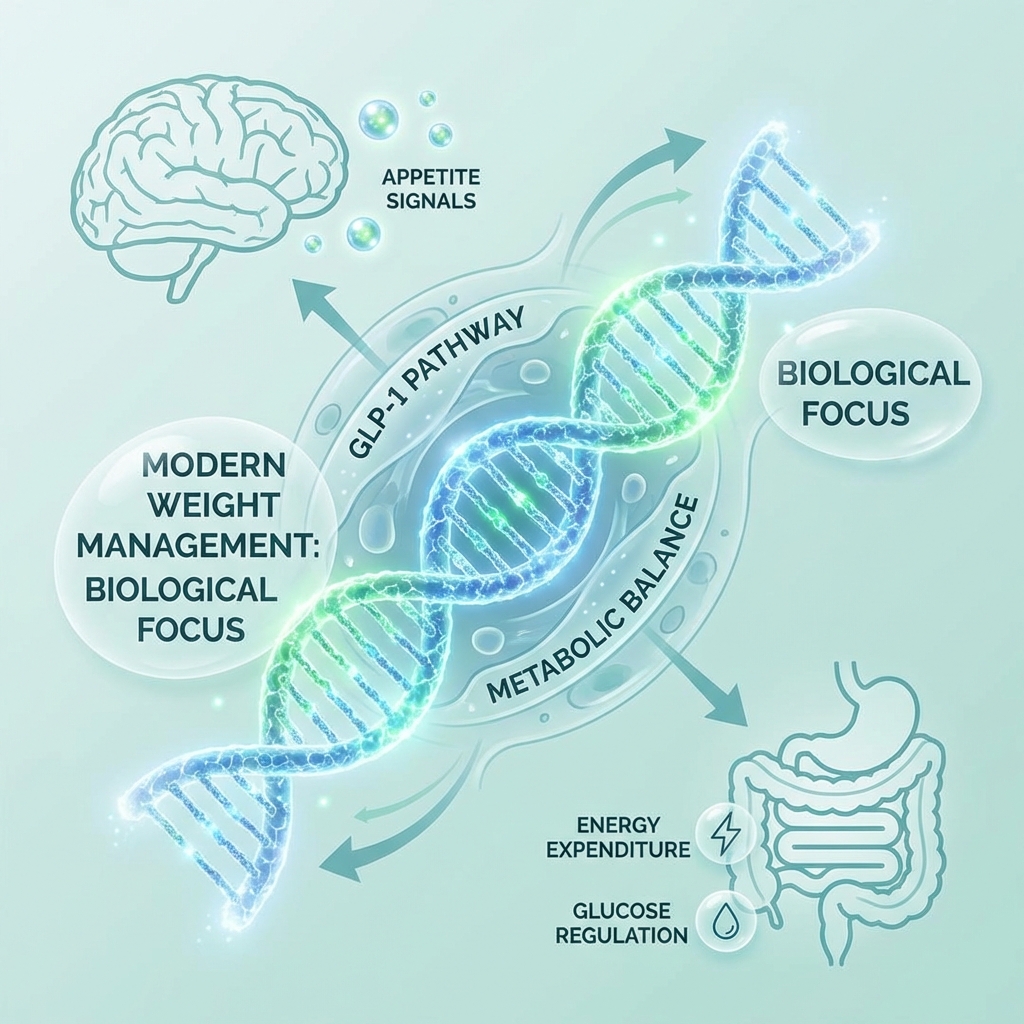
GLP-1 receptors aren't just in the gut and pancreas; they are heavily expressed in the brain. They interact with the brain's reward centers, which is why these drugs are so effective at quieting "food noise" (intrusive thoughts about food).
Interestingly, this dampening of the reward system is also leading to anecdotal and preliminary clinical reports of reduced cravings for alcohol, nicotine, and even compulsive behaviors like online shopping.
However, there is a flip side. Some regulatory bodies, including the UK's MHRA and the European Medicines Agency (EMA), have investigated potential links between GLP-1 agonists and increased risks of depression or suicidal ideation. While large-scale studies have largely found no causal link—and some suggest weight loss actually improves mental health—the modulation of dopamine and reward pathways warrants close monitoring for vulnerable individuals.
The Bottom Line
GLP-1 medications represent a monumental leap forward in the treatment of obesity and type 2 diabetes. They are not merely "vanity drugs"—they are powerful tools that reduce cardiovascular risk and improve metabolic function.
However, they are not magic wands. They demand a comprehensive lifestyle overhaul, an understanding of potential long-term commitments, and proactive management of muscle mass and nutritional intake.
If you are considering Ozempic or Wegovy, enter the conversation with your doctor fully informed. Ask about protein goals, strength training, and the long-term plan for either maintaining the medication or transitioning off it safely.
Medical Disclaimer: This article is for informational purposes only and does not constitute medical advice. Always consult a qualified healthcare provider.