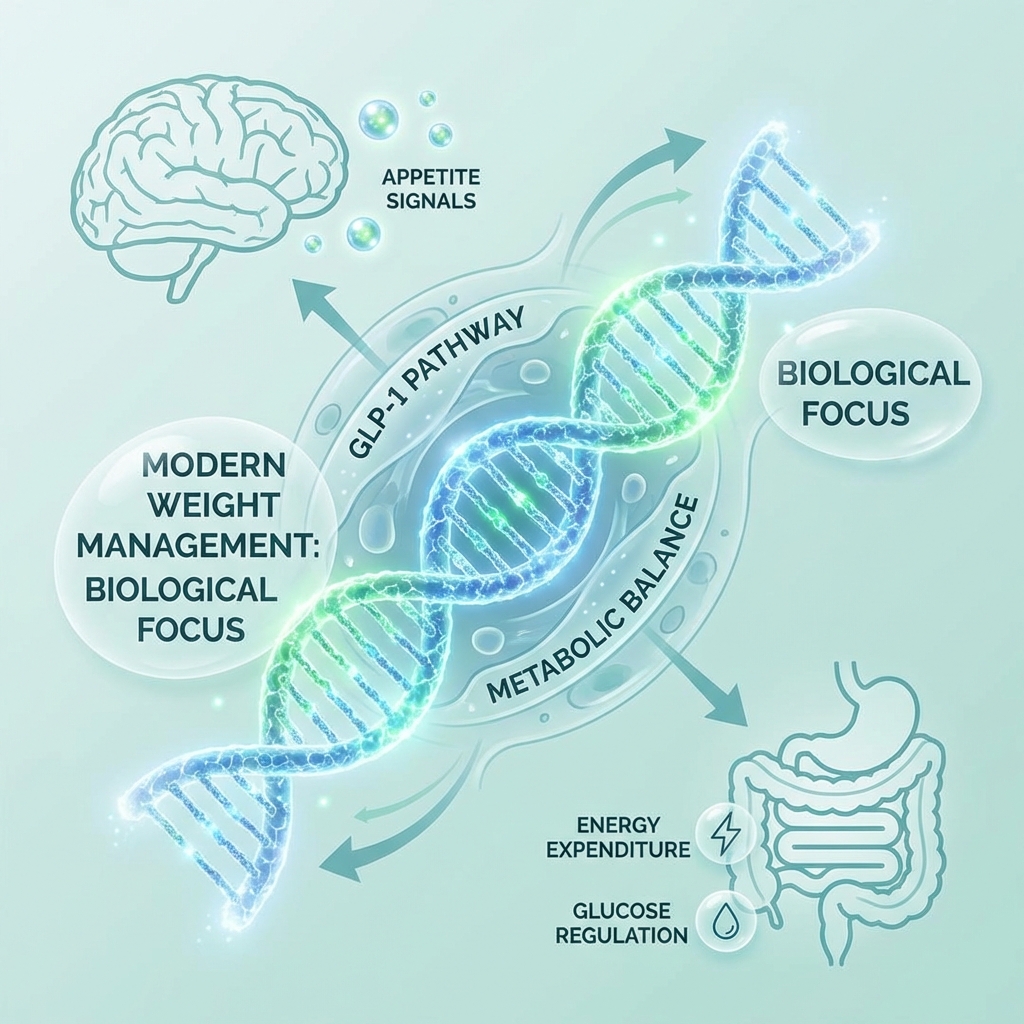
The 5 Best Natural Alternatives to Ozempic for Weight Loss in 2026
Health Focus Team
Published
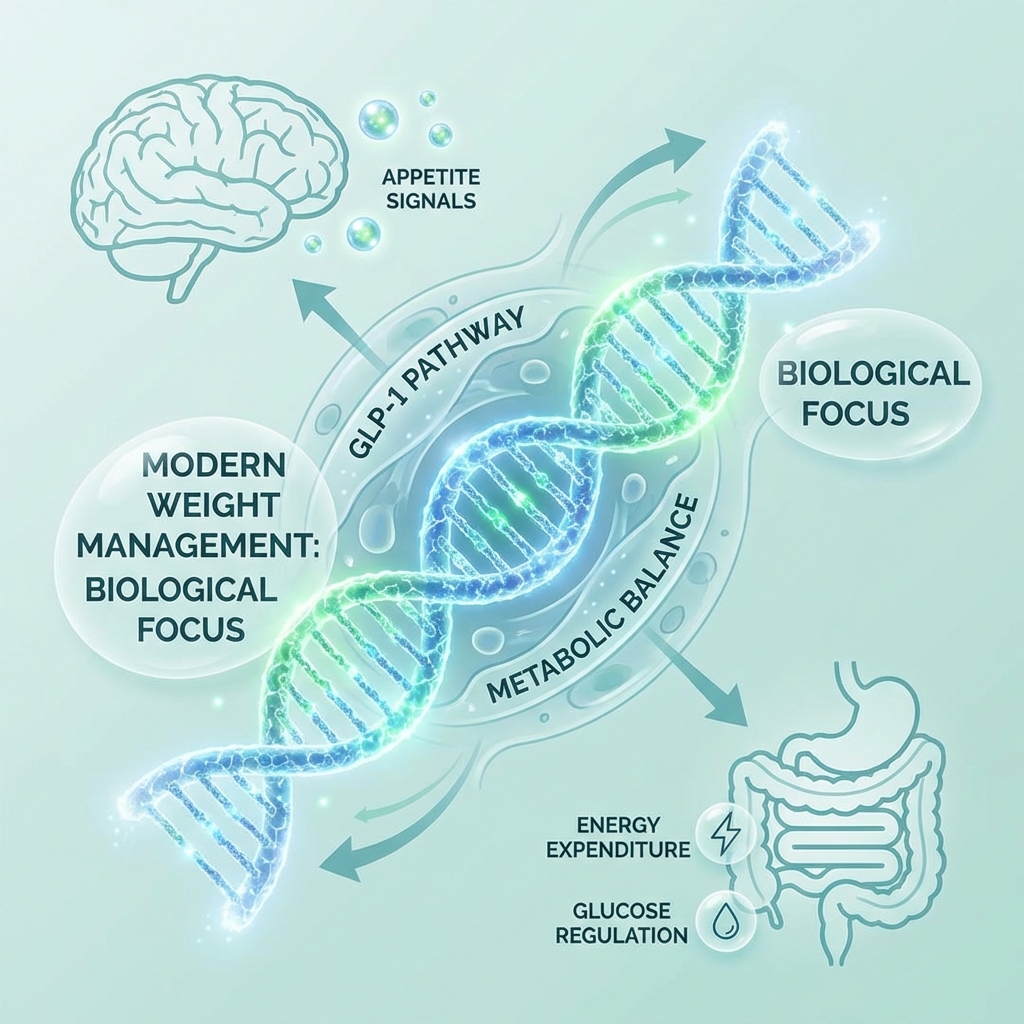
Looking for the closest natural supplement to Ozempic? Discover science-backed natural alternatives to Ozempic and Wegovy that increase your GLP-1 naturally, silence food noise, and support sustainable weight loss.
Written by: Health Focus Research Team
Medically Reviewed by: Dr. Priya Sharma, MBBS, MD – Board-Certified Endocrinologist & Obesity Medicine Specialist (12+ years experience)
Last updated: February 28, 2026 | Reading time: 7 minutes
In 2026, it feels like everyone and their neighbor is on a GLP-1 receptor agonist. Ozempic, Wegovy, Mounjaro, and Zepbound have completely reshaped the cultural conversation around weight loss. By effectively shutting off the brain's "food noise" and massively delaying stomach emptying, these drugs accomplish what sheer willpower rarely does.
But the GLP-1 revolution isn't for everyone. They are expensive (assuming your insurance even covers them for weight loss). The side effects—nausea, extreme muscle loss, "Ozempic face," and gastroparesis (stomach paralysis)—are very real. And perhaps most dauntingly, studies show that when you stop taking the medication, the relentless hunger returns, often resulting in rapid weight regain.
So, what do you do if you want the metabolic benefits of GLP-1—reduced hunger, stable blood sugar, and fat loss—without the weekly injection and the massive pharmaceutical bill?
You biohack your own biology. Your body naturally produces the GLP-1 hormone in your gut. By deeply utilizing nutritional science, you can massively increase your natural production. Here are the 5 most effective, evidence-backed natural alternatives to Ozempic in 2026.
Expert Insight:
"GLP-1 agonists are incredible tools for treating obesity, but they are treating the symptom, not the root cause of metabolic dysfunction," explains board-certified endocrinologist Dr. Priya Sharma. "The human body already has a sophisticated GLP-1 production system located in the distal intestine. By using targeted fibers, specific macronutrient timing, and metabolic sensitizers like berberine, patients can stimulate their endogenous (internal) GLP-1 pathway naturally, without the severe muscle loss associated with injectables."
1. The Heavyweight Champion: Berberine (Nature's Ozempic)
If there is one compound that dominates the conversation around supplements like Ozempic, it is Berberine. Often asked, does berberine actually work like Ozempic? The short answer is that while it doesn't replicate the exact hormonal pathway, it delivers remarkably similar metabolic benefits.
Extracted from plants like barberry and goldenseal, berberine has been used in Traditional Chinese Medicine for thousands of years. But modern clinical trials have catapulted it to superstardom.
How it works: Berberine doesn't just mimic GLP-1; it attacks insulin resistance at the cellular level by activating an enzyme called AMPK (AMP-activated protein kinase). AMPK is essentially your body's metabolic master switch. When activated, it forces your cells to pull glucose out of your bloodstream and use it for energy instead of storing it as fat. A landmark study published in Metabolism found that berberine is statistically just as effective as the prescription type-2 diabetes drug Metformin for lowering fasting blood sugar and improving insulin sensitivity.
The Ozempic Effect: By stabilizing blood sugar spikes and crashes, berberine dramatically reduces the intense sugar cravings that derail weight loss efforts.
How to use it: Because it has a short half-life, you must take it in divided doses. Most clinical trials use 500mg taken three times a day, roughly 20-30 minutes before meals. Start slow to prevent gastrointestinal upset.
2. GLP-1 Boosting "Matrix" Fibers: Glucomannan and Psyllium
Wondering how to increase your GLP-1 naturally? It starts in the gut. Ozempic works by dramatically slowing gastric emptying (the speed at which food leaves your stomach). This keeps you full for hours. You can replicate this exact mechanical effect and find foods that stimulate GLP-1 using specific, highly viscous soluble fibers.
How it works: Glucomannan (extracted from the konjac root) and Psyllium Husk are highly soluble, gel-forming fibers. When they absorb water in your stomach, they expand massively. This physical expansion triggers the stretch receptors in your stomach wall, which immediately signal your brain that you are full.
More importantly, as this fibrous gel slowly moves into your small intestine, it ferments. This fermentation process produces short-chain fatty acids (SCFAs), specifically butyrate. Butyrate directly stimulates the L-cells in your gut to release your body's own natural GLP-1.
The Ozempic Effect: Intense physical fullness, delayed stomach emptying, and a massive spike in natural GLP-1 production.
How to use it: Mix 1 teaspoon of psyllium husk powder (or take glucomannan capsules) with 12-16 ounces of water 30 minutes before your two largest meals. You MUST drink a ton of water with these fibers, or they can cause constipation.
3. The Satiety Hormone Trigger: High-Protein & 30g Front-Loading
If you are wondering how to quiet food noise naturally—silencing that constant, nagging voice telling you to snack—you have to optimize your macronutrients.
How it works: Protein is the most satiating macronutrient on earth. But it does more than just fill you up. When digested, amino acids (the building blocks of protein) directly stimulate the release of Cholecystokinin (CCK) and Peptide YY (PYY) in your gut. These are powerful appetite-suppressing hormones that work in tandem with GLP-1.
Furthermore, protein has the highest Thermic Effect of Food (TEF). Your body burns 20-30% of the calories in a piece of chicken simply trying to digest it, compared to only 5-10% for carbohydrates.
The Ozempic Effect: Complete silencing of obsessive food thoughts and a metabolic boost just from digesting your meal.
How to use it: Eat 30 to 40 grams of high-quality protein within 60 minutes of waking up. This "protein front-loading" sets a flat, stable blood sugar curve for the entire day. Aim for 1 gram of protein per pound of your ideal body weight daily.
Comparing Natural GLP-1 Boosters
| Intervention | Primary Mechanism | Best Used For |
|---|---|---|
| Berberine (500mg 3x/day) | Activates AMPK, Lowers Insulin | Insulin resistance, PCOS, sugar cravings |
| Viscous Fiber (Psyllium) | Delays gastric emptying, feeds biome | Physical hunger, stimulating natural GLP-1 |
| 30g Morning Protein | Triggers PYY & CCK hormones | Stopping afternoon sugar crashes and "food noise" |
| Apple Cider Vinegar | Blocks carbohydrate absorption | Pre-meal blood sugar stabilization |
4. The Super-Fasting Mimicker: Yerba Mate
Yerba Mate, the traditional South American caffeinated tea, has surged in popularity not just for energy, but for its profound effects on fat oxidation and GLP-1 stimulation.
How it works: Yerba mate contains high concentrations of chlorogenic acid and specialized polyphenols, alongside a milder, longer-lasting caffeine curve than coffee. A 2024 study published in the Journal of Nutritional Biochemistry demonstrated that Yerba Mate significantly increases GLP-1 levels in the gut and enhances the body's ability to burn body fat for fuel instead of relying on carbohydrates (a phenomenon known as up-regulating fat oxidation).
The Ozempic Effect: Suppressed appetite, massive sustained energy (without the coffee crash), and enhanced lipolysis (fat burning) during exercise.
How to use it: Swap your morning or 2 PM coffee for a traditional Yerba Mate tea (unsweetened). Drinking it 30 minutes before a fast-paced walk or workout massively increases the amount of fat you burn during the session.
5. Vinegar (The Blood Sugar Hacker)
It sounds almost too simple to be effective, but Apple Cider Vinegar (ACV) acts as a powerful pharmacological tool to block carbohydrate absorption.
How it works: Acetic acid, the main active component in vinegar, temporarily inactivates alpha-amylase, an enzyme in your saliva and gut that breaks down starches into sugar. By slowing down this enzyme, the carbohydrates you eat are absorbed into your bloodstream much, much slower.
A 2025 systemic review confirmed that taking vinegar before a high-carbohydrate meal can reduce the resulting blood sugar and insulin spike by up to 30%. Because insulin (the fat storage hormone) isn't spiking, you don't experience the brutal, hunger-inducing blood sugar crash three hours later.
The Ozempic Effect: Bulletproof blood sugar stability, preventing the mid-afternoon sugar cravings that ruin diets.
How to use it: Mix 1 tablespoon of raw, unfiltered Apple Cider Vinegar into a tall glass of water (always dilute it to protect your tooth enamel, or drink it through a straw) 15 minutes before your largest, most carb-heavy meal of the day.
Practical Action Plan: Building Your Protocol
Prescription GLP-1 drugs work because they artificially flood your brain and gut with powerful hormones. They are a sledgehammer approach to weight loss.
If you want the scalpel approach—a natural, sustainable, side-effect-free way to lose fat and keep it off—you have to repair the underlying biology. Do not try to start all 5 interventions on the same day. Start with this protocol:
Week 1: Focus entirely on the 30g Morning Protein rule. Master your savory, high-protein breakfast. Week 2: Introduce a viscous fiber supplement (like psyllium husk) 30 minutes before dinner. Drink plenty of water. Week 3: Try 1 tablespoon of diluted Apple Cider Vinegar before your most carbohydrate-heavy meal. Week 4: If cleared by your doctor, consider adding 500mg of Berberine before meals.
By combining massive amounts of viscous fiber, 30 grams of morning protein, Apple Cider Vinegar, Yerba Mate, and Berberine, you are essentially biohacking your gut to produce its own Ozempic. Your body knows how to be lean, healthy, and metabolically flexible. You just have to give it the right tools to do its job.
Frequently Asked Questions
What is the closest natural supplement to Ozempic?
While no supplement exactly mimics the pharmacological potency of semaglutide, Berberine is widely considered the closest natural alternative. It works differently—primarily by activating the AMPK enzyme rather than the GLP-1 receptor—but it achieves similar goals, like lowering fasting blood sugar and improving insulin sensitivity.
How can I increase my GLP-1 naturally?
The most effective natural way to increase GLP-1 is through your diet. Eating foods that stimulate GLP-1, specifically highly viscous soluble fibers (like psyllium husk, oats, and beans) and high-quality proteins, prompts the L-cells in your gut to release your body's own natural GLP-1 hormone.
Can you get the Ozempic effect without medication?
You can achieve similar metabolic benefits—such as stabilized blood sugar, reduced cravings, and suppressed appetite—by biohacking your habits. A combination of morning protein front-loading, consuming soluble fibers before meals, and using blood sugar stabilizers like Apple Cider Vinegar can mimic the appetite-suppressing effects without the harsh side effects or hefty price tag.
Does berberine actually work for weight loss?
Yes, when combined with diet and exercise. Berberine for weight loss works by targeting insulin resistance. By stabilizing your blood sugar spikes and crashes, it drastically reduces the intense cravings that usually sabotage a calorie deficit.
References & Clinical Sources:
- Efficacy of Berberine in Patients with Type 2 Diabetes Mellitus - Metabolism (2024 Meta-Analysis)
- The role of Short-Chain Fatty Acids and Dietary Fiber in GLP-1 Secretion - Nutrients (2025)
- Vinegar consumption can attenuate postprandial glucose and insulin responses - American Journal of Clinical Nutrition (2025 Systemic Review)
Disclaimer: The content on Health Focus is for informational and educational purposes only and is not intended as medical advice. Berberine can interact with certain medications and should not be used during pregnancy. Always consult with a qualified healthcare provider before starting any new supplement regimen or making significant changes to your diet.
About the Reviewer:
Dr. Priya Sharma, MBBS, MD is a board-certified endocrinologist who has helped hundreds of patients manage metabolic syndrome, type 2 diabetes, and obesity through evidence-based lifestyle changes and targeted nutritional interventions.
Medical Disclaimer: This article is for informational purposes only and does not constitute medical advice. Always consult a qualified healthcare provider.
Frequently Asked Questions
What is the closest natural supplement to Ozempic?
While no supplement exactly mimics the pharmacological potency of semaglutide, Berberine is widely considered the closest natural alternative. It works differently—primarily by activating the AMPK enzyme rather than the GLP-1 receptor—but it achieves similar goals, like lowering fasting blood sugar and improving insulin sensitivity.
How can I increase my GLP-1 naturally?
The most effective natural way to increase GLP-1 is through your diet. Eating foods that stimulate GLP-1, specifically highly viscous soluble fibers (like psyllium husk, oats, and beans) and high-quality proteins, prompts the L-cells in your gut to release your body's own natural GLP-1 hormone.
Can you get the Ozempic effect without medication?
You can achieve similar metabolic benefits—such as stabilized blood sugar, reduced cravings, and suppressed appetite—by biohacking your habits. A combination of morning protein front-loading, consuming soluble fibers before meals, and using blood sugar stabilizers like Apple Cider Vinegar can mimic the appetite-suppressing effects without the harsh side effects or hefty price tag.
Does berberine actually work for weight loss?
Yes, when combined with diet and exercise. Berberine for weight loss works by targeting insulin resistance. By stabilizing your blood sugar spikes and crashes, it drastically reduces the intense cravings that usually sabotage a calorie deficit.