How to Cycle Sync Your Workouts for Perfect Hormone Balance
Health Focus Team
Published
Discover the ultimate menstrual cycle workout plan. Learn the science of cycle syncing your workouts for beginners to build more muscle, burn fat, and discover how to balance hormones with exercise.
Written by: Health Focus Research Team Medically Reviewed by: Dr. Elena Rodriguez, MD – Board-Certified Reproductive Endocrinologist Last updated: February 28, 2026 | Reading time: 8 minutes
⚠️ Medical Disclaimer: This article is for educational purposes only. Consult a physician or certified fitness professional before significantly modifying your exercise routine based on menstrual cycle phases.
For decades, the fitness industry treated women like "small men." We were handed the exact same workout plans, expected to hit the same PRs every week, and told that consistency—doing the same intense workout every single day—was the only path to results.
But in 2026, female physiology research has caught up, and it’s telling a completely different story.
Women are not small men. Men operate on a 24-hour hormonal cycle dominated by testosterone; they wake up with a full tank, deplete it by evening, and recharge overnight.
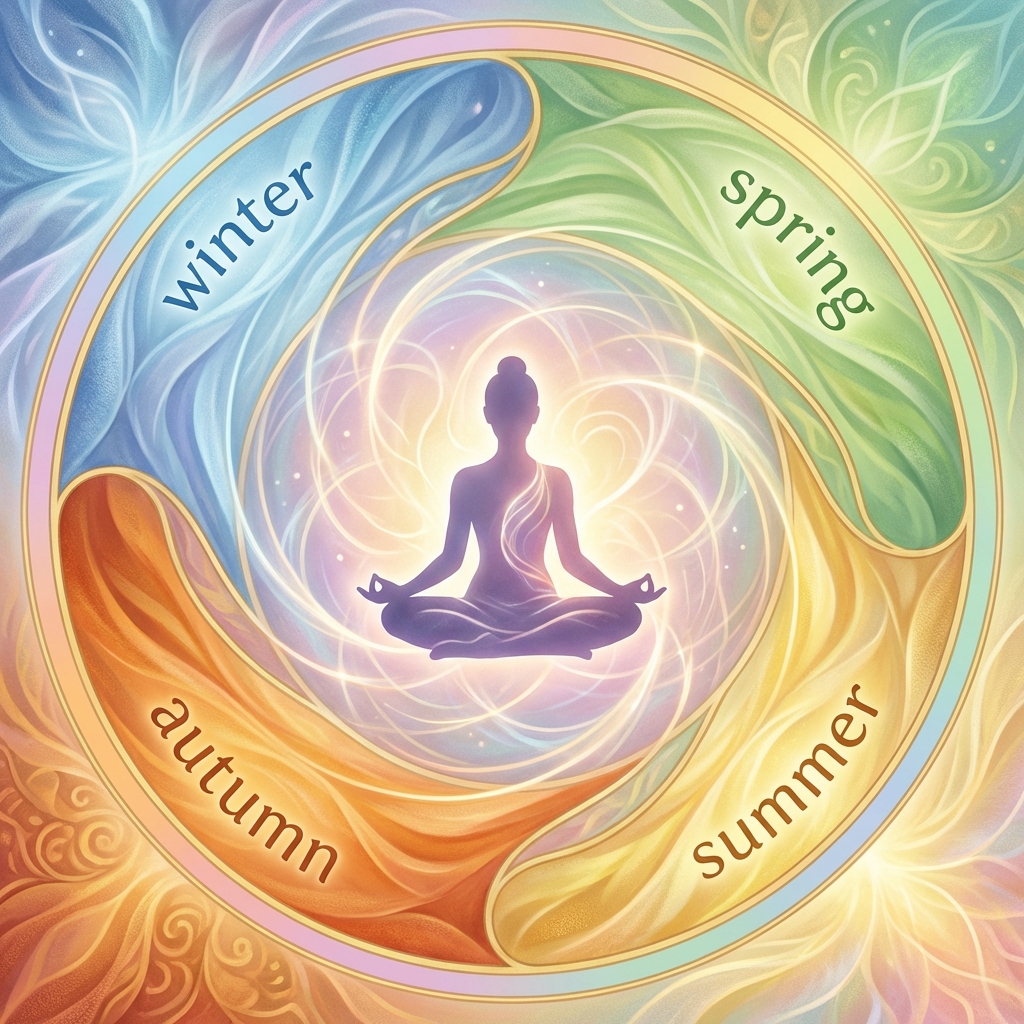
Women in their reproductive years operate on a complex 28-day (ish) infradian rhythm. Our estrogen, progesterone, and testosterone levels rise and fall in a beautifully orchestrated dance over four distinct phases. If you’ve ever wondered why a 5-mile run feels effortless one week, but the exact same run feels like dragging a boulder up a hill two weeks later, you aren't lazy. Your hormones changed.
This is why Cycle Syncing—aligning your workouts, nutrition, and lifestyle with the four phases of your menstrual cycle—has exploded from a niche wellness trend into the gold standard for female fitness. Whether you are looking for cycle syncing workouts for beginners, trying to create a sustainable menstrual cycle workout plan, or figuring out exactly how to balance hormones with exercise, understanding this biological rhythm is essential.
Here is everything you need to know to cycle sync your workouts, build lean muscle, and find the right exercises for different phases of menstrual cycle.
Phase 1: The Menstrual Phase (Winter)
Days 1 to 5 (Starts on the first day of your period)
The Hormonal Landscape: Estrogen and progesterone crash to their absolute lowest points of the month. Your womb is actively shedding its lining, which requires energy. Your immune system is slightly suppressed, and your core body temperature drops.
How You Feel: Tired, introverted, craving comfort, and potentially dealing with cramps or brain fog. Your body is physically asking you to rest.
The Workout Strategy: Active Recovery & Rest. If you've ever wondered how to exercise on your period, the answer is gentle movement. This is not the time to hit a PR or do a grueling HIIT session. If you push your body to its maximum during this phase, your already-low hormones will trigger a massive cortisol (stress) response, leading to inflammation and muscle breakdown, not muscle growth.
Do This:
- Days 1-2: Complete rest, Yin Yoga, or gentle stretching.
- Days 3-5: Light walking, foam rolling, or easy Mat Pilates.
The Science: Studies show that intense exercise during the early follicular phase (menstruation) leads to delayed muscle recovery and higher markers of systemic inflammation. Honor the winter phase.
Phase 2: The Follicular Phase (Spring)
Days 6 to 14 (After bleeding stops, leading up to ovulation)
The Hormonal Landscape: Your pituitary gland releases Follicle Stimulating Hormone (FSH). Estrogen begins a slow, steady climb, peaking right before ovulation. Testosterone also begins to rise.
How You Feel: Energized, creative, outgoing, and powerful. The brain fog lifts. You feel like you can conquer the world (and the gym).
The Workout Strategy: High Intensity & Strength Building. Estrogen is an anabolic hormone—it builds things. High estrogen makes you more resilient to stress, quicker to recover from muscle damage, and highly efficient at burning carbohydrates for fuel. Your pain tolerance is at its highest during this phase.
Do This:
- Heavy Resistance Training: This is when you step up the weights. Go for progressive overload.
- High-Intensity Interval Training (HIIT): Sprints, plyometrics, or intense spin classes.
- Complex movements: Your brain-to-muscle connection is sharpest here. Try new, complex routines.
The Science: Research published in the Journal of Sports Medicine indicates that women can build significantly more muscle mass and strength when they concentrate their heavy lifting during the follicular phase compared to the luteal phase.
Phase 3: The Ovulatory Phase (Summer)
Days 15 to 17 (The shortest phase; lasts 1-3 days)
The Hormonal Landscape: Estrogen hits its absolute highest peak of the entire month. Testosterone surges immediately before ovulation, and Luteinizing Hormone (LH) spikes to release the egg.
How You Feel: Peak physical energy, highly social, incredibly confident, and (thanks to that testosterone surge) a noticeable bump in libido.
The Workout Strategy: Maximum Output & Social Fitness. You have the most natural energy of your entire cycle right now. Your body is primed for explosive movement, but be incredibly mindful of your form. High estrogen increases the laxity of your ligaments, meaning you are slightly more prone to joint injuries (especially ACL tears) during these three days.
Do This:
- Group Fitness: Bootcamps, group runs, or high-energy dance classes. You’ll thrive on the social energy.
- Max Effort Lifts: Go for your personal records, but warm up thoroughly to protect your joints.
- Cardio: High-intensity cycling or rowing.
Phase 4: The Luteal Phase (Autumn)
Days 18 to 28 (From post-ovulation until your period starts)
The Hormonal Landscape: Once the egg is released, the empty follicle (the corpus luteum) begins pumping out Progesterone. Estrogen takes a backseat.
How You Feel: Progesterone translates to "pro-gestation." Its job is to thicken the uterine lining and calm the nervous system (it literally hits the same GABA receptors in the brain as anti-anxiety medication). You will feel slower, more focused on details, introverted, and hungrier. Your core body temperature rises by about 0.5 degrees, meaning you sweat sooner and fatigue faster in the heat.
The Workout Strategy: Steady State & De-loading. This is the longest phase of your cycle, and it requires a pivot. High progesterone makes your body shift from burning carbohydrates to burning fat for fuel. Because your core temperature is higher, heat-based workouts (like hot yoga or summer runs) will feel much harder. When planning your workout during luteal phase, remember that lowering intensity is not failing—it's adapting to your body's changing needs.
If you push through brutal HIIT workouts late in your luteal phase, you will spike cortisol, throwing off the delicate estrogen/progesterone balance, which is exactly what causes severe PMS.
Do This:
- First half of Luteal (Days 18-23): Moderate strength training (lower the weights, increase the reps). Steady-state cardio like swimming, cycling, or jogging at a conversational pace.
- Second half of Luteal (Days 24-28): Scale it way back. Pilates, barre, long walks, and Vinyasa yoga.
The Science: A 2024 meta-analysis demonstrated that women attempting high-intensity training during the late luteal phase experienced impaired cardiovascular performance, faster time to exhaustion, and worsening of PMS symptoms compared to women who shifted to moderate-intensity steady-state (MISS) exercise.
Troubleshooting Your Cycle Syncing
What if I'm on hormonal birth control? If you are on the Pill, the patch, the ring, or a hormonal IUD, you do not have a biological menstrual cycle. The hormones in these devices essentially "flatline" your natural hormonal fluctuations, meaning you don't experience these four distinct phases. Cycle syncing does not apply in the same way, though you can still track your energy levels and adjust accordingly.
What if my cycle is irregular? If you have PCOS or cycles that jump from 28 days to 45 days, cycle syncing is still incredibly valuable, but you’ll need to rely more on measuring your Basal Body Temperature (BBT) or tracking cervical mucus rather than relying on a calendar app. Ovulation is the key event; once it happens, you are in the luteal phase.
The Ultimate Rule: Listen to Your Body Cycle syncing is not a rigid prison sentence. It is a roadmap. Some women feel amazing running on day 2 of their period; others can barely leave the couch. The point of cycle syncing isn't to follow a strict calendar, but to stop gaslighting yourself when your energy dips. By honoring your infradian rhythm, you stop fighting your biology—and start letting your hormones work for you.
Frequently Asked Questions
Is cycle syncing scientifically proven? While the specific term "cycle syncing" is a newer wellness concept, the science behind hormonal fluctuations impacting energy, metabolism, and muscle recovery is well-documented. Studies show that adjusting your intensity to match your estrogen and progesterone levels can optimize performance and minimize burnout.
Can I cycle sync if I have an irregular cycle or use birth control? If you use hormonal birth control (like the Pill, ring, or hormonal IUD), your natural hormonal fluctuations are essentially paused, so biological cycle syncing doesn't apply in the same way. For those with irregular cycles or PCOS, cycle syncing is still highly beneficial. You will just need to track basal body temperature or cervical mucus to identify ovulation instead of relying on a standard calendar app.
What is the best way to start cycle syncing workouts for beginners? The best way to start is simply by tracking your daily energy levels alongside your menstrual cycle. Before completely overhauling your routine, spend one month logging how you feel during your workouts. Once you notice your personal patterns, you can begin matching your exercise intensity to your current phase.
References:
- International Journal of Sports Physiology and Performance (2025). The Effects of Menstrual Cycle Phase on Exercise Performance in Eumenorrheic Women: A Systematic Review.
- American Journal of Clinical Nutrition (2024). Metabolic Substrate Shift Across the Menstrual Cycle.
Medical Disclaimer: This article is for informational purposes only and does not constitute medical advice. Always consult a qualified healthcare provider.
Frequently Asked Questions
What if I'm on hormonal birth control?
If you are on the Pill, the patch, the ring, or a hormonal IUD, you do not have a biological menstrual cycle. The hormones in these devices essentially "flatline" your natural hormonal fluctuations, meaning you don't experience these four distinct phases. Cycle syncing does not apply in the same way, though you can still track your energy levels and adjust accordingly.
What if my cycle is irregular?
If you have [PCOS](/blog/pcos-whole-body-impact) or cycles that jump from 28 days to 45 days, cycle syncing is still incredibly valuable, but you’ll need to rely more on measuring your Basal Body Temperature (BBT) or tracking cervical mucus rather than relying on a calendar app. Ovulation is the key event; once it happens, you are in the luteal phase.
Is cycle syncing scientifically proven?
While the specific term "cycle syncing" is a newer wellness concept, the science behind hormonal fluctuations impacting energy, metabolism, and muscle recovery is well-documented. Studies show that adjusting your intensity to match your estrogen and progesterone levels can optimize performance and minimize burnout.
Can I cycle sync if I have an irregular cycle or use birth control?
If you use hormonal birth control (like the Pill, ring, or hormonal IUD), your natural hormonal fluctuations are essentially paused, so biological cycle syncing doesn't apply in the same way. For those with irregular cycles or PCOS, cycle syncing is still highly beneficial. You will just need to track basal body temperature or cervical mucus to identify ovulation instead of relying on a standard calendar app.
What is the best way to start cycle syncing workouts for beginners?
The best way to start is simply by tracking your daily energy levels alongside your menstrual cycle. Before completely overhauling your routine, spend one month logging how you feel during your workouts. Once you notice your personal patterns, you can begin matching your exercise intensity to your current phase.